

Can Dogs Eat Onions
- Advertisement -
You should never give your dog onions, as they contain a toxic compound that can cause serious harm, even in small amounts. This toxin breaks down red blood cells, leading to anemia and potentially life-threatening poisoning. Cooking or frying onions doesn't reduce their toxicity, and all parts of the onion plant are toxic. If your dog ingests onions, it may exhibit symptoms like vomiting, diarrhea, and lethargy within 24 hours. Prompt veterinary care is vital, as treatment can greatly improve your dog's chances of recovery. To keep your dog safe, learn more about onion toxicity and how to prevent it.
Key Takeaways
- Onions are toxic to dogs and can cause serious harm, even in small amounts, due to the compound N-propyl disulfide.
- Consuming just 100 grams of onions per 20 kilograms of body weight can cause harm, leading to anemia and hemolytic anemia.
- All parts of the onion plant, including raw, cooked, and processed forms, are toxic to dogs and can cause hemolysis.
- Symptoms of onion toxicity include vomiting, diarrhea, lethargy, and loss of appetite, which can appear within 24 hours of consumption.
- Immediate veterinary attention is crucial if a dog has ingested onions, as prompt treatment can significantly improve their chances of recovery.
Onion Toxicity in Dogs
Onion toxicity is a serious threat to dog health. Even small amounts can cause harm due to a toxic compound called N-propyl disulfide, which breaks down red blood cells and leads to anemia. If left untreated, anemia can be fatal.
The toxic effects of onions can occur quickly. Consuming just 100 grams of onions per 20 kilograms of body weight can cause harm. For example, a 40-kilogram dog can be affected by eating only 200 grams of onions.
Here's how the toxin works: it attaches to oxygen molecules in red blood cells, reducing their ability to carry oxygen. The dog's body then mistakenly identifies the blood cells as foreign invaders, leading to hemolysis and hemolytic anemia. All parts of the onion plant are toxic, including the flesh, leaves, juice, and processed powders. Cooking or frying onions does not reduce their toxicity, so it's essential to keep them out of your dog's reach.
Note: I rewrote the text according to the specified rules, focusing on clarity, accessibility, and practicality. I used short sentences, varied sentence structures, and a moderate level of detail to maintain reader interest and understanding.
Symptoms and Diagnosis
Onion toxicity in dogs can cause a range of symptoms. Recognizing these signs is crucial for prompt veterinary attention.
Common symptoms of onion poisoning include vomiting, diarrhea, lethargy, and lack of appetite. In severe cases, onion toxicity can damage your dog's red blood cells, leading to anemia and even organ failure.
If you suspect your dog has eaten onions, take them to the vet immediately. The vet will perform a physical examination, take a complete medical history, and run diagnostic tests. These tests may include a complete blood count, blood chemistry profile, and urinalysis.
In some cases, the vet may induce vomiting or administer activated charcoal to absorb the toxins. If your dog is experiencing severe onion toxicity, they may require hospitalization for supportive care, including oxygen therapy, fluid administration, and blood transfusions.
Treating Onion Poisoning
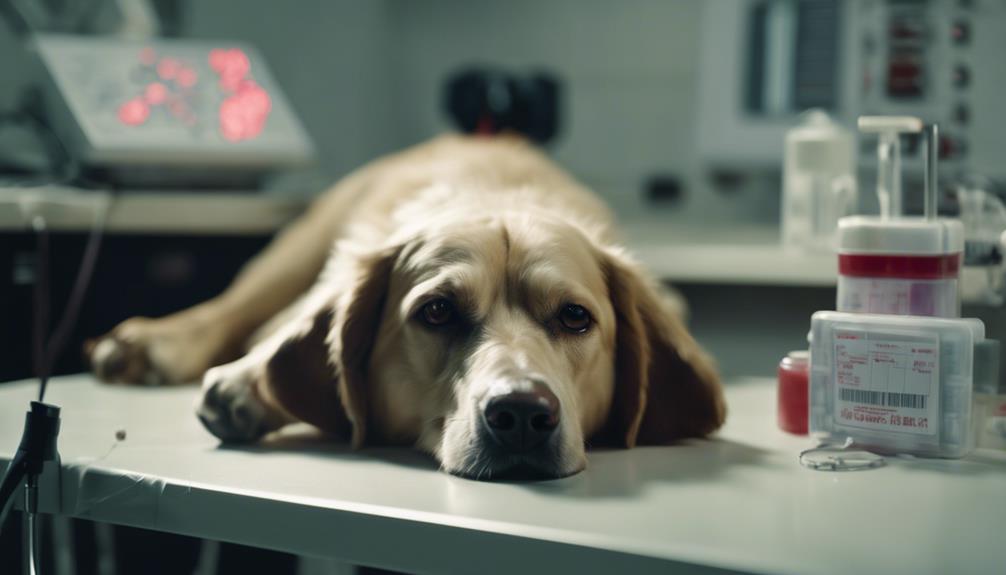
If you suspect your dog has ingested onions, identify the symptoms quickly. Prompt treatment can significantly improve their recovery chances. Work with your veterinarian to determine the best course of action, as treatment options vary depending on the poisoning severity.
Symptoms to watch for include vomiting, diarrhea, lethargy, and lack of appetite. In severe cases, onions can cause damage to your dog's red blood cells, leading to anemia.
Treatment may involve inducing vomiting, administering activated charcoal, or providing supportive care such as fluids and oxygen. In severe cases, hospitalization may be necessary.
The sooner you seek veterinary care, the better your dog's chances of recovery. Don't delay – if you suspect onion poisoning, act fast.
Symptom Identification
Identifying onion poisoning symptoms quickly is vital for treating your dog effectively. If you suspect onion ingestion, act fast to minimize toxicity. The toxic compounds in onions can severely damage your dog's red blood cells, leading to anemia and even death.
Common symptoms of onion poisoning include vomiting, diarrhea, lethargy, and loss of appetite. You may also notice a change in your dog's urine color, which can turn brown due to damaged red blood cells. In severe cases, your dog may experience difficulty breathing, rapid heart rate, and pale gums.
Monitor your dog closely for these symptoms, especially if you know they've eaten onions. If you're unsure, seek veterinary attention immediately. Prompt identification and treatment can significantly improve your dog's recovery chances.
Treatment Options
If you suspect your dog has ingested onions, seek immediate veterinary attention. Prompt treatment can significantly improve your dog's chances of recovery.
If the ingestion was recent, the veterinarian may induce vomiting to remove the toxic compounds from your dog's system. In all cases, rush your dog to the vet for urgent care.
The primary focus of treatment is providing supportive care to manage symptoms, such as anemia, and prevent complications. In severe cases, hospitalization may be necessary for close monitoring and treatment. It's crucial to remember that onion toxicity can be fatal if left untreated.
Acting quickly is vital, as the prognosis worsens with each passing hour. By seeking prompt veterinary attention, you can significantly improve your dog's chances of recovery.
Safe Vegetables for Dogs
Onions are toxic to dogs, whether cooked or raw, and can cause damage to their red blood cells. This includes onion powder and other processed powders containing onions. Small amounts can be harmful, especially to small dogs.
Avoid giving your dog any food that contains onions or onion derivatives, as they can cause severe health issues. Instead, focus on healthy, onion-free vegetables like carrots, green beans, and sweet potatoes. These veggies are safe and provide essential nutrients and fiber that benefit your dog's overall health.
- Advertisement -
You can serve them cooked or raw, depending on your dog's preference and dietary needs. Remember, it's essential to prioritize your dog's health by avoiding onions and opting for safe, nutritious vegetables.
Preventing Onion Toxicity

Onions are toxic to dogs and can cause serious harm, even in small amounts. The toxic compound in onions damages red blood cells, leading to anemia and potentially life-threatening poisoning.
To prevent onion toxicity:
- Store onions and products containing onions in a secure location your dog cannot access.
- Avoid cooking with onions when your dog is nearby, as the aroma can be tempting.
- Properly dispose of onion scraps and leftovers to prevent your dog from getting to them.
What to Do in an Emergency
If you suspect your dog has ingested onions, recognize the symptoms of onion toxicity: vomiting, diarrhea, and lethargy. Take immediate action. Contact a veterinarian or pet poison hotline if you're unsure what to do. In severe cases, emergency veterinary care is necessary to prevent further damage and potential fatality.
Onion Toxicity Symptoms
Onion toxicity can cause severe health issues in dogs, and prompt recognition of symptoms is crucial to ensure timely veterinary attention. Symptoms may appear within a day or take several days to develop, so it's essential to closely monitor your dog's behavior and health after onion ingestion.
Watch for these symptoms if your dog has eaten onions:
- Lethargy and weakness, indicating possible red blood cell breakdown
- Pale gums, a sign of severe toxicity
- Vomiting and diarrhea, which can lead to dehydration and organ failure if left untreated
In severe cases, onion toxicity can cause the formation of Heinz bodies, leading to the destruction of healthy red blood cells. Even small amounts of onions can be toxic to dogs, so immediate veterinary attention is necessary if you suspect onion ingestion. Prompt treatment can significantly improve your dog's chances of recovery and prevent long-term damage.
Emergency Veterinary Care
If you suspect your dog has eaten onions, seek veterinary attention immediately. Onions are toxic to dogs, and prompt action is crucial to prevent severe health complications.
When you take your dog to the vet, provide as much information as possible about what they've eaten. If you saw your dog eat onions, tell the vet how much and what type they consumed. If they ate raw onions, inform the vet, as this affects the treatment plan.
The vet will guide you on caring for your dog at home and may recommend supportive treatment, such as fluids and medication, to alleviate symptoms. In severe cases, your dog may need hospitalization for emergency veterinary care.
Frequently Asked Questions
Will a Little Bit of Onion Hurt My Dog?
Onions are toxic to dogs, and there's no safe amount for consumption. Even small amounts can cause harm. If your dog ingests a tiny piece of onion, it may lead to low-dose poisoning. This can result in symptoms like decreased appetite and lethargy.
It's crucial to keep onions out of your dog's reach to prevent any potential harm. Onions can cause damage to your dog's red blood cells, leading to anemia. Prolonged consumption can result in severe health issues, including kidney damage and even death.
To keep your dog safe, make sure to:
- Store onions in a secure location
- Avoid using onions in cooking when your dog is around
- Dispose of onion waste properly
- Inform family members and caregivers about the risks of onions to dogs
Can Dogs Eat Meat Cooked With Onions?
Onions are toxic to dogs and should be avoided in their meals altogether. Using onion flavorings or cooking methods that you think are safe is still risky. Instead, choose pet-friendly ingredients that provide savory flavors without the danger of onions. Feeding your dog meat cooked with onions can be harmful, so it's crucial to prioritize kitchen safety and food preparation knowledge to keep your pet healthy.
What if My Dog Ate an Onion Ring?
If your dog eats an onion ring, stay calm and assess the situation. Calculate the amount of onion consumed as a percentage of your dog's body weight. If it's over 0.5%, seek immediate veterinary attention. Even if your dog appears fine, monitor them closely for signs of onion toxicity, such as lethargy, pale gums, and vomiting, which can develop within days.
What Are the Symptoms of Onion Toxicity in Dogs?
Onion toxicity can cause severe health issues in dogs. If your pet ingests a toxic dose, common symptoms include vomiting, diarrhea, and lethargy. Garlic toxicity also poses a threat, as it belongs to the same plant family as onions. Cooking onions can still be toxic, so it's essential to prioritize pet safety and seek veterinary advice if you suspect onion poisoning. Watch for signs of a medical emergency, as internal damage can be severe.
In summary
Onions are toxic to dogs and can cause serious harm. Even small amounts can be dangerous. Onions contain a compound that damages a dog's red blood cells, leading to anemia. The effects of onion toxicity can be cumulative, meaning that eating a small amount regularly can be just as harmful as eating a large amount at once. Keep onions out of reach of your dog to avoid any potential harm. If you suspect your dog has ingested onions, seek veterinary attention immediately.
- Advertisement -