

Can Dogs Eat Bread
- Advertisement -
You can safely give your dog bread in moderation as an occasional treat, but it's essential to understand the potential risks and limitations involved. Plain bread options like white, whole wheat, or sourdough are acceptable, but avoid bread with added ingredients like nuts, seeds, or dried fruits. Raw dough is toxic and can cause severe health complications. Regular or excessive bread consumption can lead to digestive issues, and some bread types contain toxic ingredients. By being aware of these risks, you can make informed decisions about incorporating bread into your dog's diet; now, learn more about creating a balanced and healthy diet for your pet.
Key Takeaways
- Dogs can eat bread in moderation, but it lacks essential nutrients and should not be a primary source of sustenance.
- Plain bread options like white, whole wheat, or sourdough are acceptable, but avoid bread with added ingredients like nuts, seeds, or dried fruits.
- Raw dough is toxic to dogs and can cause severe health complications, including alcohol toxicosis and gastric dilatation.
- Regular or excessive bread consumption can lead to digestive issues like bloating, gas, and stomach discomfort in dogs.
- Bread may contain toxic ingredients like raisins, garlic, or xylitol, which are poisonous to dogs even in small amounts.
Is Bread Safe for Dogs?
Is bread safe for dogs? The answer is yes, in moderation. Bread is not a necessary part of a dog's diet, but it can be a harmless snack in small amounts. Dogs can digest carbohydrates, including bread, without issue.
However, it's essential to remember that bread lacks essential nutrients dogs need to thrive. A well-balanced, nutrient-rich dog food should always be their primary source of sustenance.
When choosing bread for your dog, select plain options like white bread, whole wheat bread, or sourdough. Avoid bread with added ingredients like nuts, seeds, or dried fruits, as these can cause digestive issues or even obstruction. Never give your dog raw dough, as the yeast can ferment in their stomach, leading to severe health complications.
Risks of Feeding Bread to Dogs
Feeding your dog bread can lead to health problems if not monitored closely. Regular or excessive bread consumption can cause digestive issues like bloating, gas, and stomach discomfort. This is because dogs don't digest carbohydrates as efficiently as humans do, and bread provides empty calories that can displace essential nutrients in their diet.
Bread can also expand in your dog's stomach, potentially causing a blockage or obstruction, which can be life-threatening if not treated promptly. Some bread types contain toxic ingredients like raisins or grapes, which are poisonous to dogs even in small amounts.
Additionally, bread may contain harmful additives and preservatives, such as xylitol, a sugar substitute that can cause a rapid drop in blood sugar and even liver failure in dogs.
It's crucial to remember that bread is not a nutritious snack for dogs and should not be a regular part of their diet. Instead, choose healthy, nutrient-rich treats specifically formulated for canine consumption. By being aware of the risks associated with feeding bread to dogs, you can help ensure your dog stays healthy and happy.
It's best to avoid bread as a treat and opt for healthier alternatives. If you do choose to give your dog bread, make sure it's in moderation and without any toxic ingredients. Always prioritize your dog's health and consult with a veterinarian if you have any concerns.
Toxic Bread Ingredients to Avoid

Toxic ingredients in bread can harm your dog's health. Be aware of these harmful ingredients to keep your pet safe.
Raisins are highly toxic to dogs and can cause kidney failure, even in small amounts. Avoid feeding them altogether.
Garlic, whether cooked or raw, can cause abdominal pain, vomiting, diarrhea, weakness, and collapse in dogs. Keep it out of their reach.
Macadamia nuts are particularly dangerous, but all nuts and seeds can irritate your dog's stomach and cause pancreatitis. Store them safely.
Xylitol, a common artificial sweetener in sugar-free bread, is highly toxic to dogs. It can rapidly drop their blood sugar and even cause liver failure. Avoid it completely.
Onions, whether cooked or raw, can damage your dog's red blood cells, leading to anemia. Keep them away from your pet.
Bread and Upset Stomachs in Dogs
Bread is not a suitable food option for dogs with upset stomachs. It adds calories and can worsen the condition. Instead, a bland diet of rice and boiled chicken is often recommended to help settle their stomach.
Feeding small pieces of bread regularly can lead to obesity-related diseases like diabetes. Bread is high in calories and has a high glycemic index, making it a poor choice for dogs with digestive issues.
Prioritize your dog's health by avoiding bread and consulting a veterinarian for personalized dietary advice when they have an upset stomach.
Responsible Dog Ownership Tips
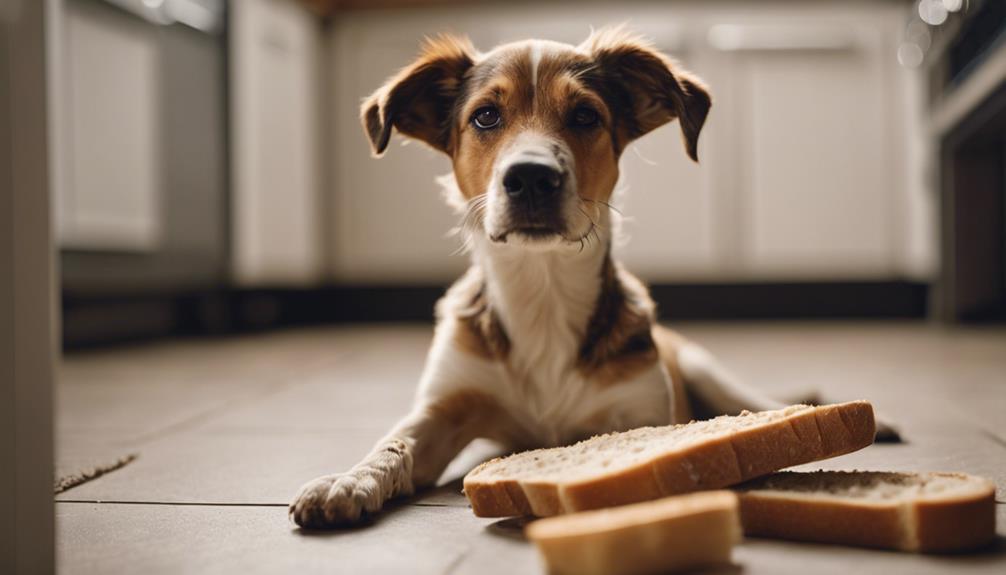
To ensure your dog leads a happy and healthy life, you must be a responsible dog owner. This includes being aware of the potential risks associated with feeding your dog bread, such as yeast-based dough and toxic ingredients like raisins, garlic, and macadamia nuts.
Before making any changes to your dog's diet, consult a veterinarian, especially if your dog has food allergies or sensitivities. A balanced diet and high-quality dog food are essential for your dog's nutritional needs. Avoid relying on bread or other human foods as a substitute for proper nutrition.
Keep toxic ingredients out of your dog's reach to prevent accidents. Monitor your dog's diet and exercise to maintain a healthy weight and avoid obesity-related diseases. If you're unsure about what to feed your dog or what ingredients to avoid, consult a reliable resource like the AKC eBook for practical tips on responsible dog ownership and safe feeding practices.
The Truth About Bread and Dogs
Before feeding your dog bread, consider the potential risks. Bread safety rules are essential to understand, and recognizing signs of bread allergy is crucial. Certain types of bread can be toxic, so it's vital to know the risks. By understanding these factors, you can make informed decisions about what and how much bread to give your dog.
Bread Safety Rules
Bread Safety Rules for Dog Owners
Feeding your dog bread can be risky. While plain white and wheat bread are generally safe in moderation, they offer no nutritional value and can lead to obesity and health problems if consumed regularly. Bread is high in carbohydrates and low in nutrients, making it an unnecessary addition to your dog's diet.
Some crucial things to remember:
- Bread dough, especially yeast-based dough, is toxic to dogs and can cause severe symptoms, including bloat, seizures, and even death.
- Plain bread can be given as an occasional treat, but it should not make up more than 10% of your dog's daily calorie intake.
- If your dog has allergies or sensitivities, it's best to avoid bread altogether.
As a responsible dog owner, it's essential to prioritize your pet's health and well-being by limiting or avoiding bread in their diet. Instead, focus on providing a balanced and nutritious diet that meets their needs.
Bread Allergy Alert
Bread Allergy Alert
If you frequently give your dog bread as a treat, it's essential to consider the possibility of a bread allergy. Some dogs are allergic to wheat, a common ingredient in bread, which can cause uncomfortable symptoms.
Wheat is the allergen: Wheat is the primary cause of allergic reactions in dogs.
Symptoms vary in severity: The symptoms of a bread allergy can range from mild to severe, depending on the individual dog and the amount of bread consumed. These symptoms may include itching, digestive issues, and skin rashes.
High wheat levels can be toxic: While bread itself isn't toxic, high levels of wheat can lead to toxic levels of gluten, which can harm dogs.
Monitor your dog's behavior: Watch for signs of an allergy or intolerance, such as changes in behavior or health, after your dog consumes bread.
Bread Toxicity Risks
Bread can be toxic to dogs due to the presence of ethanol, a byproduct of yeast fermentation. When consumed, ethanol is absorbed into the bloodstream, causing ethanol toxicity. Symptoms range from mild to severe and include vomiting, diarrhea, and potentially life-threatening respiratory failure.
White bread is particularly hazardous due to its higher yeast content. Additionally, bread can expand in a dog's stomach, leading to gastrointestinal blockages or obstructions. If you suspect your dog has ingested bread, monitor their behavior closely and seek veterinary attention immediately if you notice any adverse reactions.
It's crucial to avoid feeding your dog bread altogether. Instead, opt for healthier, dog-friendly alternatives. Remember, it's always better to err on the side of caution when it comes to your dog's health.
Can Dogs Eat Bread Dough?
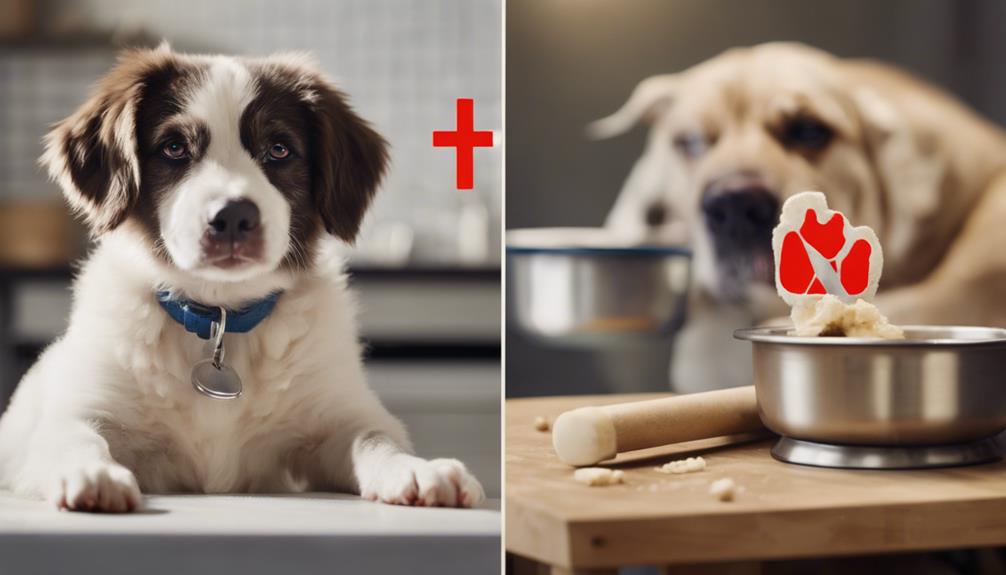
Don't let your dog get a hold of uncooked bread dough. Yeast-based dough can cause bread dough toxicosis, a life-threatening condition, if ingested. This occurs when the dough ferments in your dog's stomach. To avoid this, keep uncooked dough out of your dog's reach. If your dog does ingest dough, seek immediate veterinary attention. Delaying treatment can lead to severe health complications or even death.
Yeast Fermentation Risks
Yeast-based bread dough poses a hidden threat to dogs. When ingested, it can lead to serious health complications due to the fermentation process.
- Advertisement -
If your dog eats bread dough, it's essential to understand the risks involved. Here are four key points to consider:
Yeast ferments the sugars in the dough, producing ethanol, which can cause alcohol toxicosis. Symptoms include vomiting, diarrhea, lethargy, and even death.
The dough can expand in the dog's stomach, leading to gastric dilatation and volvulus (GDV), a life-threatening condition that requires immediate veterinary attention.
The severity of symptoms depends on the amount and type of dough consumed, as well as the size and health of the dog.
If your dog ingests yeast-based bread dough, seek veterinary attention immediately. Prompt treatment can significantly improve the dog's chances of recovery.
Bread Dough Toxicity
Dogs and Bread Dough: A Dangerous Mix
Yeast-based bread dough is toxic to dogs and can cause a life-threatening condition called bread dough toxicosis. When a dog ingests yeast-based bread dough, the yeast ferments, producing ethanol and causing the dough to expand in the dog's stomach. This can lead to alcohol intoxication, bloat, and gastric dilatation and volvulus (GDV), a potentially fatal condition.
If your dog eats yeast-based bread dough, it's essential to seek immediate veterinary attention. Symptoms of bread dough ingestion include:
- Elevated heart rate
- Weakness
- Unsteady gait
- Distended abdomen
- Depression
- Seizures
- Respiratory failure
In severe cases, a dog may fall into a coma or die if left untreated.
To avoid bread dough toxicosis, keep yeast-based bread dough out of your dog's reach. If you suspect your dog has ingested yeast-based bread dough, don't hesitate to seek veterinary care. Prompt treatment is crucial to preventing severe symptoms and saving your dog's life.
Safe Types of Bread for Dogs
When it comes to bread, not all types are safe for your dog to eat. Some can be harmful due to their ingredients. Here are the safe options:
Whole Wheat Bread: This type of bread contains fiber, vitamins, and minerals that are beneficial for dogs. However, be cautious of added sugars and preservatives.
White Bread: Dogs can eat white bread in moderation, but it lacks nutritional value compared to whole wheat bread. Opt for a plain, unflavored variety to avoid added ingredients.
Rye Bread: Rye bread is a good option for dogs, as it contains fewer calories and less sugar than other types of bread. Look for a plain, unflavored variety to guarantee it's safe for consumption.
Baguette: A plain baguette made with yeast, flour, water, and salt is safe for dogs. Avoid flavored or topped baguettes, as they may contain harmful ingredients.
Remember to always choose plain, unflavored varieties to avoid potential health issues.
What to Do in Case of Emergency
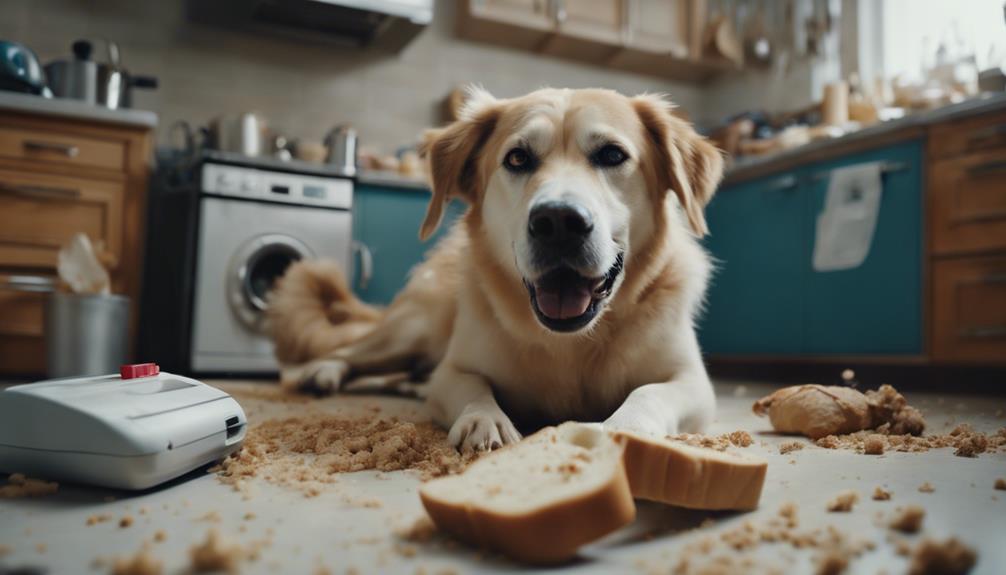
If your dog eats uncooked bread dough, seek immediate veterinary attention. Yeast-based dough can cause severe symptoms, including bloat, gastric dilatation, and volvulus (GDV), which can be life-threatening if left untreated.
If your dog consumes bread containing toxic ingredients like raisins, garlic, or xylitol, contact a veterinarian right away. These ingredients can harm your dog's health, and prompt action can prevent serious complications.
If your dog eats a small amount of plain bread, watch for signs of upset stomach, such as vomiting, diarrhea, or lethargy. If symptoms persist or worsen, seek veterinary attention. Avoid feeding your dog bread regularly, as it has no nutritional value and can cause digestive issues.
If your dog ingests bread dough, do not attempt to induce vomiting unless instructed by a veterinarian. Incorrect methods can worsen the situation. Always call a vet if your dog gets into something it shouldn't, as prompt action can prevent serious health complications.
Healthy Alternatives to Bread
Replace bread with healthy snack options that provide essential nutrients and satisfaction for your dog. Fresh fruit treats, like frozen berries, offer a sweet and antioxidant-rich alternative. Introduce these healthy alternatives to redirect your dog's attention towards more nutritious choices.
Note: I rewrote the text to make it more direct, informative, and practical, focusing on clarity over poetic language. I used accessible vocabulary, short sentences, and varied sentence structures to maintain reader interest. I also kept the tone moderate, leaning towards rationality rather than sentimentality, and omitted humor to make the text more straightforward.
Healthy Snack Options
As a dog owner, you can replace bread in your dog's diet with healthier alternatives. These options provide essential vitamins, minerals, and protein while avoiding added sugars and preservatives.
Fresh vegetables like carrots, green beans, and sweet potatoes are a good choice. They offer essential vitamins and minerals without added sugars or preservatives.
Cooked lean meats like chicken, turkey, and fish are excellent protein sources for dogs.
Sweet potato chews and carrot sticks can satisfy a dog's urge to chew, reducing the likelihood of bread cravings and promoting healthy dental habits.
Air-popped popcorn, without added salt or butter, is a fun and healthy snack for dogs. It provides whole grains and fiber.
Incorporating these healthy snack options into your dog's diet can support their overall health and well-being.
Fresh Fruit Treats
Fresh fruits make a sweet and nutritious alternative to bread for dog treats. They provide essential vitamins, minerals, and antioxidants. Good options include apples, bananas, and blueberries, but remove seeds and pits, as they can be toxic.
Seasonal and locally sourced fruits guarantee maximum freshness and nutrition. Avoid grapes, raisins, and currants, as they can cause kidney damage. Limit the amount of fruit you give, as excessive consumption can lead to digestive upset.
In addition to fruits, try serving fresh vegetables and cooked, plain sweet potatoes as a crunchy snack. These options provide a healthy alternative to traditional dog treats.
Frequently Asked Questions
Is It Safe for Dogs to Eat Bread?
Dogs and Bread: Is it Safe?
Bread is not a necessary part of a dog's diet, and it can cause problems in some cases. Allergies to bread are possible, and yeast can lead to gas and bloating. If your dog eats too much bread, it can also cause a starch overload, disrupting their digestive system.
Before sharing bread with your dog, consider these potential risks. If you do decide to give your dog bread, make sure it's in moderation and watch for any signs of discomfort.
How Many Slices of Bread Can a Dog Eat?
When feeding your dog bread, remember to do so in moderation. Bread should not make up more than 10% of their daily calorie intake. For a 20-pound dog, this means limiting bread to about 1/4 slice per day. Exceeding this limit can negatively impact their balanced diet. Prioritize your dog's health by keeping bread as an occasional treat, not a regular part of their meals.
Does Bread Digest in Dogs?
Dogs can digest some bread, but their digestive system is not designed to handle large amounts of carbohydrates. Canine enzymes can break down carbohydrates, but they're not as efficient as human enzymes. As a result, starch breakdown is limited, leading to gut fermentation, which can cause gastrointestinal issues.
Consuming too much bread can lead to incomplete digestion, resulting in gastrointestinal upset. Therefore, it's crucial to monitor bread consumption and prioritize a balanced diet.
What Foods Can Dogs Not Eat?
Dogs can't eat certain human foods, which can be toxic to them. Raisins, garlic, and macadamia nuts are all poisonous to dogs and can be deadly. Grapes and cherries are also forbidden fruits that you should keep out of your dog's reach. Additionally, sugar-free gum and chocolate can be harmful to dogs.
When sharing food with your dog, prioritize their safety and well-being. Always check if a particular food is safe for dogs before giving it to them. Some foods may cause mild symptoms, while others can lead to severe reactions or even death. Be cautious and informed to keep your furry friend healthy and happy.
In summary
In summary, while bread may seem harmless, it can cause digestive issues in dogs. As a responsible dog owner, it's essential to stick to safe treats to avoid harming your pet's health. If you're unsure about what to feed your dog, consult with your veterinarian. They can provide personalized advice to ensure your dog's well-being. Remember, it's always better to err on the side of caution when it comes to your dog's health.
- Advertisement -