
Can Dogs Eat Beans
- Advertisement -
You can feed your dog beans as a nutritious snack, providing they're prepared and served correctly. Green beans and cooked kidney beans are excellent options, being low in calories and rich in fiber, protein, and vitamins. However, it's vital to avoid toxic varieties like Lima beans and undercooked or raw beans, which can cause vomiting, diarrhea, and abdominal pain. Cooking beans breaks down their fiber, making them easier to digest, and introducing them in moderation is key to preventing digestive issues. By following proper guidelines, you can tap into the benefits of beans for your dog's overall health and well-being, and there's more to discover about incorporating beans into their diet.
Key Takeaways
- Dogs can eat certain types of beans, like green beans and cooked kidney beans, which provide protein, fiber, and essential nutrients.
- However, some beans, like kidney beans, Lima beans, and raw or undercooked beans, are toxic to dogs and can cause vomiting, diarrhea, and abdominal pain.
- To feed beans safely, cook them plain without added ingredients, introduce them in moderation, and monitor for signs of digestive upset.
- Beans can benefit dogs by supporting healthy digestion, providing vitamins and minerals, and being a low-glycemic food suitable for dogs with diabetes or weight issues.
- It's crucial to monitor canine bean consumption and consult with a veterinarian to ensure safe and healthy feeding practices.
Beans as a Nutritious Snack
Beans as a Healthy Snack for Dogs
Beans are a nutritious snack that can provide dogs with a boost of protein and essential nutrients. As a responsible pet owner, it's essential to verify that what you feed your dog is safe and healthy. Beans can be a great addition to your dog's diet when introduced correctly.
Green beans are an excellent snack for dogs. They're low in calories, rich in fiber, and a good source of protein. Serve them steamed, cooked, or raw, as long as they're free of seasonings or additives. Cooked kidney beans are also a great option, rich in protein and fiber, but ensure they're thoroughly cooked to make them dog-safe.
When feeding your dog beans, introduce them gradually to prevent digestive upset. Start with small amounts and monitor your dog's reaction. Choose plain, unflavored beans to avoid potential allergic reactions. By incorporating beans into your dog's diet, you can support their overall health and well-being.
Remember to always prioritize your dog's health and safety when introducing new foods into their diet. If you have any concerns, consult with your veterinarian for personalized advice.
Safe and Unsafe Bean Types
Healthy beans, like green beans and black beans, can be a nutritious addition to your dog's diet. However, some bean varieties are toxic and can cause harm. It's essential to know the difference.
Green beans and black beans are safe for your dog to eat. They provide important nutrients like fiber, protein, and vitamins.
On the other hand, kidney beans and Lima beans are toxic to dogs. Eating them can cause symptoms like vomiting, diarrhea, and abdominal pain. In severe cases, they can lead to kidney damage or even failure.
When introducing beans into your dog's diet, make sure to only use safe varieties and cook them thoroughly to avoid digestive issues. Always consult with your veterinarian before making any changes to your dog's diet.
Healthy Bean Options
When feeding your dog beans, it's crucial to understand the difference between safe and unsafe bean types. Cooked beans are a great source of protein and can be a nutritious addition to your dog's meals. They're also rich in fiber, which supports healthy digestive function.
Green beans, black beans, and kidney beans are healthy options for your dog. These beans are safe and can be added to their diet in moderation. However, it's essential to cook them thoroughly to make them digestible. Introduce beans gradually to prevent digestive upset.
To incorporate beans into your dog's diet:
- Cook beans thoroughly to make them digestible
- Add them to their food as a supplement or mix with regular meals
- Start with small amounts and gradually increase the serving size
- Consult with a veterinarian if you have any concerns
Toxic Bean Varieties
Some beans are toxic to dogs and should be avoided. These include lima beans, cannellini beans, and raw or undercooked beans of any variety. Raw kidney beans contain phytohemagglutinin, a natural toxin that's harmful to dogs. Even cooked kidney beans are toxic, but the toxin level decreases when they're fully cooked. Raw or undercooked beans can cause digestive issues, vomiting, and allergic reactions in dogs. In severe cases, they can lead to pancreatitis. Raw green beans are not toxic, but they can still cause digestive upset if fed in excess.
To make beans safe for your dog, cook them thoroughly to break down the toxins. Avoid feeding your dog raw or undercooked beans, as they can be harmful. Stick to healthy, cooked bean options to ensure your dog's safety and health.
Preparing Beans for Canine Consumption
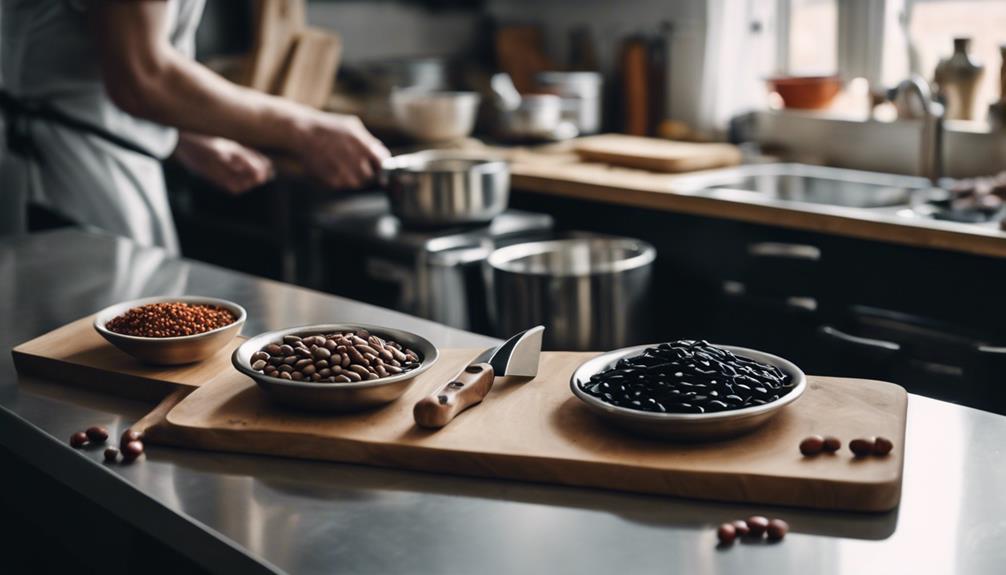
Preparing beans for your dog's consumption requires proper preparation. Uncooked beans are hard for dogs to digest due to their high fiber content, which can cause stomach upset. Cooking beans breaks down the fiber, making them easier to digest and reducing gas.
When cooking beans for your dog, avoid adding ingredients like butter, salt, spices, or high-fat oils. These can harm your dog's health. Instead, cook plain beans, which are the safest option.
Introduce cooked beans gradually into your dog's diet to monitor their reaction. Start with a small amount and increase the serving size as they become accustomed to the new food. This helps identify any signs of digestive upset and allows you to adjust the amount accordingly.
Bean Feeding Guidelines and Risks
When introducing beans into your dog's diet, follow these guidelines to ensure their safety and health. Moderate bean consumption is crucial, as excessive eating can cause digestive issues. Proper preparation is also essential, as incorrect methods can increase the risk of adverse reactions.
Moderation Is Key
Feeding your dog beans requires balance to avoid health issues. Limit beans to 10% of your dog's daily recommended calories in treats to prevent overfeeding. Cooking beans thoroughly reduces harmful Lectin levels, making them safe for consumption. Avoid beans with added oils, seasonings, or spices, as they can cause digestive problems.
Feed your dog plain, cooked beans in small amounts. Start with a small serving, such as a teaspoon for small dogs or 1/2 cup for large dogs, and monitor for signs of discomfort. Gradually introducing beans into your dog's diet helps prevent digestive upset.
Beans are a good source of protein, but excess consumption can lead to gas, bloating, and diarrhea. Feed beans in moderation to keep your dog healthy. Consult with a veterinarian before making significant changes to your dog's diet.
Bean Preparation Matters
Properly preparing beans is crucial for your dog's safety and comfort. Cooked beans are essential, as they eliminate phytohemagglutinin, a natural toxin that can cause vomiting, diarrhea, and abdominal pain in dogs. Soaking and cooking beans also aids digestion and reduces gas, making them more palatable.
Use plain, cooked beans only. Avoid adding ingredients like butter, salt, spices, or high-fat oils, as they can harm your dog's health. When introducing beans, do it gradually to prevent digestive upset. Monitor your dog for signs of discomfort, such as gas, bloating, or diarrhea.
Remember, beans should not exceed 10% of your dog's daily calorie intake. To provide a safe and nutritious bean-based snack or meal, follow these guidelines:
- Cook beans to remove phytohemagglutinin
- Soak and cook beans to aid digestion and reduce gas
- Use plain, cooked beans only
- Introduce beans gradually to prevent digestive upset
- Monitor your dog for signs of discomfort
- Limit beans to 10% of daily calorie intake
Digestive Issues Risks
Feeding your dog beans can lead to digestive issues if not done correctly. The high fiber and protein content in beans can be difficult for your dog to digest, especially if introduced suddenly or in large quantities. This can cause gastrointestinal upset, ranging from mild discomfort to severe symptoms.
- Advertisement -
Raw or undercooked beans contain a natural toxin called phytohemagglutinin. If ingested in large amounts, it can cause vomiting, diarrhea, and abdominal pain in dogs. Cooking beans thoroughly can reduce the risk of digestive issues. However, it's essential to introduce them gradually and in moderation to prevent adverse reactions.
When adding beans to your dog's diet, monitor their behavior and watch for signs of digestive issues. If your dog experiences vomiting, diarrhea, or abdominal pain after eating beans, consult with your veterinarian immediately. Dogs with pre-existing gastrointestinal conditions or food sensitivities should avoid eating beans or consume them under close veterinary supervision to minimize the risk of exacerbating their condition.
Benefits of Feeding Beans to Dogs
Beans can be a nutritious addition to your dog's diet. They provide essential protein, fiber, and complex carbohydrates, making them a healthy choice.
Beans are a good source of vitamins and minerals, which can improve your dog's overall health. The fiber in beans helps support healthy digestion, promoting regular bowel movements and reducing the risk of constipation. As a low-glycemic food, beans are suitable for dogs with diabetes or those prone to weight gain, making them a healthy snack option.
Avoiding Harmful Bean Varieties
Not all beans are safe for your dog to eat. Some can cause harm, so it's crucial to know which ones to avoid.
Refried beans are a no-go due to their high fat content, which can lead to digestive issues and pancreatitis. Beans with added seasonings, spices, or herbs are also off-limits, as they can be toxic to your dog.
Raw or undercooked kidney beans contain a natural toxin called phytohemagglutinin, which can cause vomiting, diarrhea, and abdominal pain in dogs. Cook these beans thoroughly before giving them to your dog.
On the other hand, properly cooked beans like black beans, pinto beans, or chickpeas are safe for your dog in small amounts as an occasional treat or added nutrition. Just remember, beans should not make up more than 10% of your dog's daily calorie intake.
And a crucial reminder: coffee beans are toxic to dogs and should be kept out of reach. Even a small amount can cause severe symptoms, including vomiting, diarrhea, and an increased heart rate.
Cooking and Serving Beans Safely
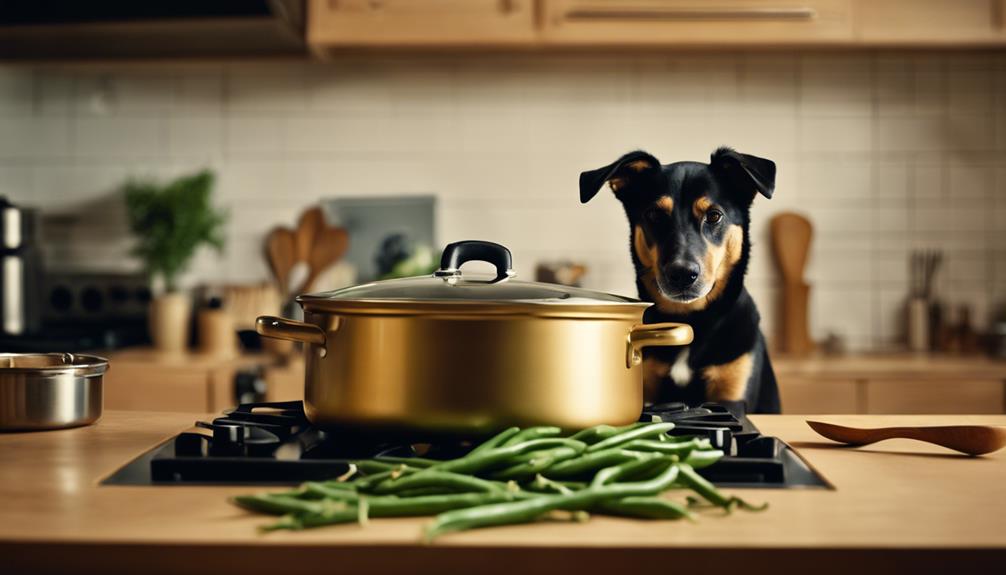
To ensure your dog can safely eat beans, follow these guidelines:
Cooking beans thoroughly is crucial to remove phytohemagglutinin, a natural toxin that can cause vomiting, diarrhea, and abdominal pain in dogs. Soaking and cooking beans also reduces gas and flatulence, making them easier to digest.
When preparing beans for your dog:
Use plain, cooked beans without added ingredients like butter, salt, spices, or high-fat oils, which can be harmful.
Introduce beans in moderation, starting with a small amount (about a teaspoon for small dogs or 1/2 cup for large dogs) and adjust as needed.
Monitor your dog for signs of discomfort, such as gas, bloating, or diarrhea, and reduce the amount of beans if necessary.
Monitoring Canine Bean Consumption
Monitor Your Dog's Bean Consumption for a Healthy Diet
To ensure your dog benefits from beans without adverse effects, regular monitoring is crucial. Introduce beans in small amounts to prevent digestive upset and observe for reactions.
Watch for signs of digestive issues in your dog's stool, such as diarrhea or constipation. Also, track their weight and body condition score to prevent weight gain or obesity. Regular veterinary check-ups can identify potential health issues like kidney damage or nutrient imbalances related to bean consumption.
Frequently Asked Questions
Are Any Beans Toxic to Dogs?
Beans can be toxic to dogs, causing kidney damage. Lima beans are a particular risk, as are Fava beans. Navy beans can trigger reactions, and Pinto beans have potential side effects. Cranberry beans may interact with medications, while Black beans come with warnings. Soybeans can cause allergies, and Green beans may lead to sensitivities. Mung beans pose hazards, too. Before sharing beans with your dog, research each type to ensure their safety.
Why Can't Dogs Eat Beans?
Dogs can't eat beans because their digestive system can't break down the protein structures in beans efficiently. This leads to a high fiber content, causing gas production and stomach upset. As a result, dog gut health is disrupted, leading to potential nutrient imbalances and enzyme deficiencies. The gut bacteria are also affected, and phytic acid can cause additional issues. Beans are not easily digestible for dogs, and eating them can cause discomfort and health problems. It's best to avoid feeding your dog beans to keep them healthy and happy.
Can Dogs Eat Cooked Canned Beans?
When it comes to feeding your dog cooked canned beans, choose pet-safe options with low sodium, high fiber, and protein. Good choices include cooked kidney beans or canned black beans. Home-cooked, pressure-cooked, or slow-cooked beans are also a great option. Beans can be nutritious for dogs, but introduce them gradually to prevent digestive upset. Always consult your veterinarian before making any changes to your dog's diet.
Can Dogs Eat Canned Refried Beans?
Dogs and Canned Refried Beans: A Safe Combination?
Canned refried beans can be a nutritious addition to human meals, providing fiber, protein, and complex carbohydrates. However, their high fiber and salt content may not be suitable for canine digestive systems.
While refried beans may seem like a healthy snack for your dog, it's best to avoid sharing them. Dogs have different nutritional needs than humans, and refried beans can cause digestive upset.
Instead, opt for dog-specific foods that meet your pet's nutritional requirements. If you're looking to add variety to your dog's diet, consult with your veterinarian for recommendations on safe and healthy alternatives.
In summary
When adding beans to your dog's diet, a balanced approach is crucial. Beans can be a healthy snack for your dog, but you need to choose and prepare them carefully.
To avoid potential risks, follow these guidelines. First, introduce beans gradually to prevent digestive upset. Start with small amounts (about 1/4 cup per 10 pounds of body weight) and monitor your dog's reaction.
Select low-sodium, low-fat, and sugar-free beans, such as black beans, kidney beans, or pinto beans. Avoid beans with added seasonings or preservatives. Cook beans thoroughly to make them digestible for your dog.
Remember, beans should not replace your dog's regular meals. They are a supplement, not a substitute. Always consult your veterinarian if you have questions or concerns about adding beans to your dog's diet.
- Advertisement -