

Can Dogs Eat Mint
- Advertisement -
While mint can be a calming aid for dogs, it's vital to understand its risks and benefits before sharing or using it. In small amounts, peppermint can be harmless, even relieving gastrointestinal upset, but large quantities can cause liver failure, lower blood sugar levels, and interact with medications. Pennyroyal mint is highly toxic, and mint-flavored foods containing xylitol can be fatal. To guarantee your dog's safety, consult with a vet before introducing mint into their diet or using it as a calming aid, and learn more about the safe and responsible ways to incorporate mint into your dog's care.
Key Takeaways
- While mint is not toxic to dogs, large quantities can cause liver failure, lower blood sugar, and interact with certain medications.
- Peppermint is safe for dogs in moderation, but peppermint-flavored foods containing xylitol can be fatal, and peppermint oil can be too potent.
- Pennyroyal mint is highly toxic and can cause vomiting, diarrhea, and breathing problems, making it dangerous for dogs to ingest.
- Fresh or dried peppermint leaves can relieve gastrointestinal upset in dogs, but consult with a vet beforehand to ensure proper dosage and safety.
- Mint-flavored products like gum, ice cream, and candy canes are toxic due to xylitol and can cause severe symptoms or even death if not treated promptly.
Is Mint Safe for Dogs?
Mint can be a tricky treat for dogs. While it's not toxic, it's crucial to understand the potential risks and benefits.
Peppermint leaves can help soothe an upset stomach in moderation. However, peppermint oil is toxic and should be avoided, as it can cause vomiting, drooling, and breathing difficulties.
Fresh mint leaves are safe in small amounts, but they shouldn't replace regular meals. Consult a veterinarian before adding mint to your dog's diet. Pennyroyal mint is highly toxic and can cause vomiting, diarrhea, and breathing problems, so keep it out of reach.
Be aware that xylitol, a sugar substitute found in peppermint-flavored foods, is toxic to dogs. As a responsible pet owner, prioritize your dog's health and safety. If unsure about sharing mint, consult a veterinarian for personalized advice.
Risks of Mint for Dogs
Adding mint to your dog's diet requires careful consideration of the potential risks. While mint has benefits like improving oral health, it can also be toxic to dogs in large quantities. Mint oils, in particular, can cause liver failure, a life-threatening condition if left untreated.
Mint can also lower your dog's blood sugar levels, which is problematic for dogs with diabetes or those taking medications to regulate their blood sugar. Additionally, mint can interact with certain medications, such as diabetes medications, and decrease their effectiveness.
Large amounts of mint can cause gastrointestinal upset, including vomiting and diarrhea. To minimize these risks, consult with your veterinarian before adding mint to your dog's diet. They can help determine the appropriate amount of mint and monitor for potential side effects.
It's essential to be aware of the potential risks associated with mint and take necessary precautions. By doing so, you can help safeguard your dog's safety while still benefiting from mint's advantages.
Peppermint and Dogs: Safety Precautions

Peppermint and Dogs: Safety Precautions
While peppermint isn't toxic to dogs, it's still not recommended to share peppermint-flavored foods with them. The sugar substitute xylitol, often found in these treats, can cause vomiting, diarrhea, seizures, lack of coordination, and lethargy, and can be fatal.
Fresh or dried peppermint leaves can be used to relieve GI tract upset in dogs, but consult with a vet beforehand to ensure proper dosage and safety. Dried peppermint leaves are stronger than fresh ones, so use them in moderation to avoid stomach upset.
When using peppermint leaves, avoid adding peppermint oil, as it can be too potent for your dog's stomach. Remember that peppermint-flavored foods, like minty candies, are highly toxic to dogs due to xylitol. Even the wrappers of these treats can cause a GI tract blockage or choking hazard, so keep them out of reach.
To keep your dog safe and healthy, exercise caution and consult with a vet before using peppermint leaves or any other remedies.
Mint-Related Risks and Hazards
When letting your dog enjoy mint, be aware of potential risks. Mint poisoning can occur if your dog ingests certain types, like pennyroyal, or consumes large amounts of peppermint extract.
Also, watch out for xylitol toxicity symptoms, which can arise from eating mint-flavored gum or other treats containing this sugar substitute.
Mint Poisoning Risks
Mint can be toxic to dogs, so it's crucial to understand the risks before sharing it with your pet. Pennyroyal mint is highly toxic and can cause vomiting, diarrhea, and breathing difficulties if ingested. Even peppermint, generally considered safe, can be problematic in large amounts or concentrated forms like peppermint extract, leading to stomach upset.
Mint-flavored products like gum, ice cream, and candy canes are also toxic due to xylitol, a sugar substitute commonly used in human treats. Chocolate mixed with peppermint is particularly hazardous, causing vomiting, diarrhea, seizures, and even death if not treated promptly.
To keep your dog safe, be aware of these risks and keep mint and mint-flavored products out of reach. If you suspect your dog has ingested mint or mint-flavored products, seek veterinary attention immediately.
Xylitol Toxicity Symptoms
Recognizing Xylitol Toxicity Symptoms in Dogs
Xylitol, a common ingredient in mint-flavored products, can be toxic to dogs. As a dog owner, it's crucial to know the symptoms of xylitol poisoning to provide timely treatment and prevent severe consequences.
If your dog ingests xylitol, symptoms typically appear within 15-30 minutes and may include:
- Vomiting
- Lethargy
- Lack of coordination
- Inability to walk or stand
In severe cases, body tremors and seizures can develop, leading to liver failure. The severity of symptoms depends on the amount of xylitol consumed, with higher doses causing more severe reactions.
If left untreated, xylitol poisoning can cause liver failure, which can occur within 24-72 hours of ingestion. It's essential to monitor your dog's behavior and health closely after consuming mint-flavored products and seek immediate veterinary attention if you suspect xylitol poisoning.
Prompt treatment significantly improves your dog's chances of recovery. Remember, timely action is critical in preventing severe consequences.
Calming and Anxiety Relief
- Advertisement -
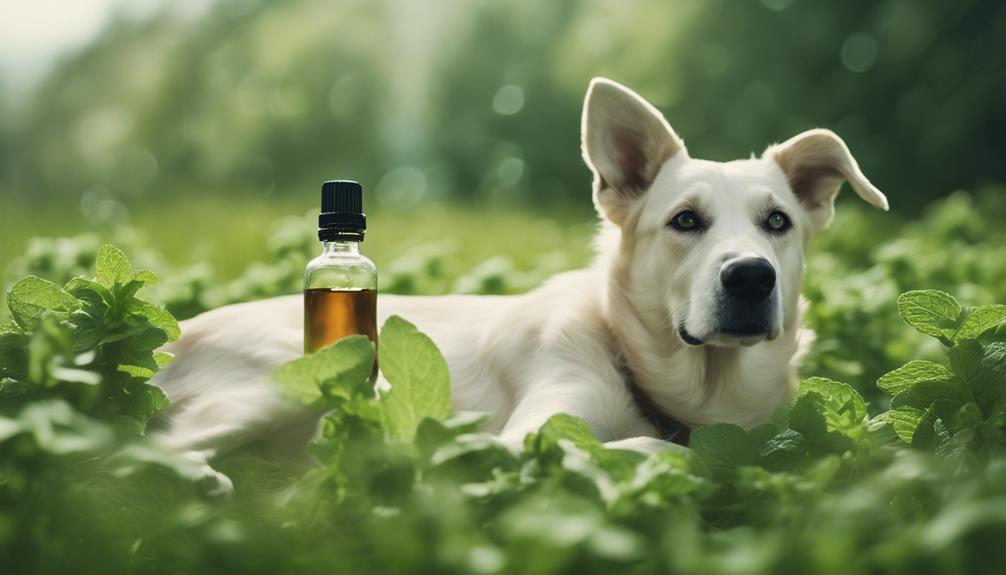
Mint can be used to calm your dog in several ways. One approach is to provide natural calming aids and treats that contain peppermint and other soothing ingredients. These treats can reduce anxiety and stress in your dog, especially when combined with training and a comfortable environment. To create a customized calming plan, explore different methods and ingredients. This will help your dog feel more relaxed and at ease.
Natural Calming Aids
Natural calming aids can provide relief and comfort to dogs experiencing anxiety and stress. One effective aid is fresh mint leaves, which can be used to freshen breath and soothe digestive issues like gas and bloating. Dried peppermint leaves can also be added to dog treats in moderation to provide calming effects, but only use treats specifically formulated for dogs. Calming treats can reduce anxiety and stress when used in conjunction with training and a comfortable environment.
Aromatherapy, including peppermint oil, can also calm dogs. However, it's crucial to use dog-safe essential oils and consult with a veterinarian before using them. By incorporating these natural calming aids into your dog's routine, you can create a more peaceful environment for them.
Remember to always prioritize your dog's safety and well-being when introducing new calming aids. Consult with a veterinarian before making any changes to your dog's routine.
Anxiety Relief Methods
Managing anxiety in dogs requires a combination of calming techniques and strategies. One approach is to use mint, which is safe for dogs to consume in moderation. Some calming treats contain mint, which can help soothe anxiety.
In addition to mint, other methods for anxiety relief include:
- Exercise: Increasing physical activity can help reduce anxiety.
- Mental stimulation: Engaging dogs in puzzle toys and activities can help distract them from anxious thoughts.
- Environmental changes: Rearranging a dog's living space can help reduce stress.
These approaches can be used alone or in combination with calming aids like mint. By trying different methods, you can develop a personalized plan to help your dog feel more relaxed and comfortable. Every dog is unique, so it may take some trial and error to find the most effective anxiety relief strategy.
Calming Treat Ingredients
Calming treats for dogs often contain natural ingredients that promote relaxation and reduce anxiety. Herbs like chamomile, lavender, and valerian root have a soothing effect on a dog's nervous system. Mint, specifically peppermint leaves, can also be calming, but use them in moderation to avoid stomach upset.
When choosing calming treats, select products with high-quality, organic ingredients. Avoid treats with artificial additives, preservatives, or fillers, which can worsen anxiety. Instead, opt for treats with natural ingredients that work together to promote relaxation.
Remember to consult with your veterinarian before introducing new treats or supplements, especially if your dog has pre-existing health conditions or takes medications. By selecting the right calming treats, you can help your dog feel more relaxed and reduce anxiety-related behaviors.
Can Dogs Eat Mint in Moderation?
Dogs can eat mint in moderation, but it's essential to understand the limits to avoid adverse effects. Mint can provide a fresh breath and possible calming aid for your dog. However, overindulgence can lead to stomach upset, vomiting, and diarrhea.
To ensure your dog eats mint safely, follow these guidelines:
Limit the amount: Give your dog only one or two fresh mint leaves per day to avoid overwhelming their stomach.
Choose fresh over dried: Fresh mint leaves are safer for your dog than dried mint, which is more potent and requires consultation with a veterinarian.
Don't substitute mint for dental care: While mint can freshen your dog's breath, it's not a replacement for regular brushing and veterinary check-ups.
Beware of stomach irritation: If your dog ingests large quantities of mint, it can cause stomach irritation, leading to more severe health issues.
Prioritize responsible pet ownership: Always prioritize your dog's health and well-being by being mindful of their mint intake and seeking professional advice when needed.
Frequently Asked Questions
Is Mint Plant Toxic to Dogs?
Mint plants can be toxic to dogs, but not all types are equally harmful. Peppermint and spearmint are safe, but pennyroyal mint is highly toxic and can cause severe symptoms. If your dog ingests pennyroyal mint, it can lead to vomiting, diarrhea, and difficulty breathing due to the chemical pulegone. In severe cases, it can even cause liver damage and failure.
To avoid plant poisoning, keep your dog away from pennyroyal mint plants. Ingestion can result in digestive issues and oral irritation. If you suspect your dog has ingested pennyroyal mint, seek veterinary care immediately.
Can Dogs Have Mint or Peppermint?
Dogs can safely consume small amounts of fresh peppermint leaves, which may calm their stomachs. However, peppermint-flavored foods and treats containing xylitol are toxic and should be avoided. If you're considering using peppermint as a herbal remedy, consult a veterinarian first to ensure safe and effective use. Fresh mint can be a healthy snack option, but prioritize your dog's health and introduce new treats gradually.
Can Dogs Eat Mint Leaves for Bad Breath?
Mint leaves can be a natural solution for your dog's bad breath. They act as a fresh mouthwash, leaving their breath fresher. Mint leaves can also help reduce bad breath as a healthy chewing option.
However, it's crucial to introduce mint leaves gradually and in moderation. This is because dogs have sensitive stomachs that can be overwhelmed. Start with small amounts to ensure your dog can tolerate them.
Can Dogs Eat Mint or Basil?
Dogs can eat mint and basil safely. These fresh herbs can be a healthy addition to their treats. Mint, in particular, has oral health benefits and is sometimes used in herbal remedies. Adding a sprig of fresh mint or basil to their dog treats can provide a tasty and healthy surprise. However, it's essential to remember to only use fresh herbs in moderation and as an occasional treat, not as a replacement for their regular diet.
In summary
Dogs can eat mint in moderation, but overconsumption can cause stomach upset and other issues. Mint is unlikely to harm your dog if consumed in small amounts, but it's essential to prioritize their health and safety. Avoid giving your dog large quantities of mint, as this can lead to adverse effects. If you do choose to give your dog mint, make sure it's in limited amounts and monitor their behavior for any signs of discomfort.
- Advertisement -