
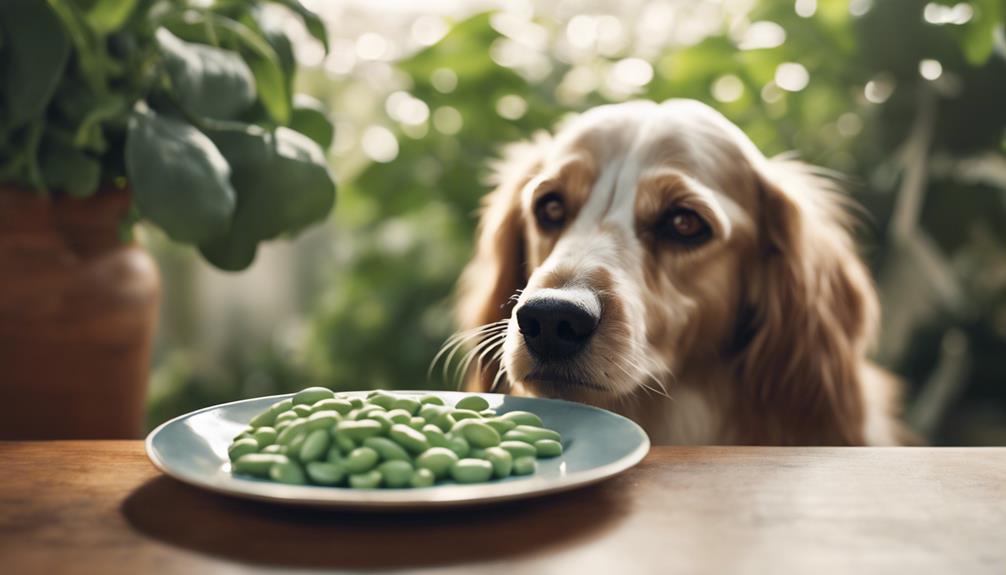
Can Dogs Eat Lima Beans
- Advertisement -
Dogs can eat lima beans as a nutritious snack or treat. Lima beans support overall health with essential nutrients, fiber, and vitamins. They help keep the digestive system running smoothly and prevent constipation. Consider introducing lima beans gradually to prevent digestive upset. Monitor for signs of discomfort, such as vomiting, diarrhea, or lethargy. Be aware of potential allergic reactions or food sensitivities. Make lima beans a healthy snack option. Consult with a veterinarian before making any changes to the dog's diet. Only feed cooked lima beans, as raw or undercooked lima beans cause digestive issues. Introduce lima beans gradually to prevent digestive upset.
Key Takeaways
- Yes, dogs can eat lima beans as a nutrient-rich, plant-based protein source, but only when cooked and introduced gradually to prevent digestive upset.
- Lima beans provide essential nutrients, including protein, fiber, and vitamins, which support overall canine health and digestive system function.
- Cooked lima beans can be a healthy snack or added to meals to increase nutritional value and fiber content, but consult with a veterinarian first.
- Raw or undercooked lima beans can cause digestive issues, and potential allergic reactions or food sensitivities should be monitored for.
- Veterinarian consultation is necessary before introducing lima beans, especially if the dog has a pre-existing medical condition or takes medication.
Lima Beans Nutritional Value
Lima beans are a nutrient-dense food, providing a good amount of protein, fiber, and essential vitamins and minerals in each serving. As a plant-based protein source, they offer a unique combination of nutritional benefits.
One of the key benefits of lima beans is their high folate content. Folate is a B vitamin that plays a crucial role in cell growth and development. Lima beans are also rich in antioxidants, which help protect cells from damage caused by free radicals.
In terms of macronutrients, lima beans are a good source of complex carbohydrates, including fiber and starch. They are low in fat and contain no cholesterol. The fiber in lima beans can help regulate digestion and support healthy blood sugar levels.
Lima beans are also a good source of essential minerals like iron, zinc, and potassium. These minerals are important for maintaining healthy blood cells, immune function, and nerve function.
For individuals following a plant-based diet, lima beans are a convenient and versatile way to incorporate protein and fiber into meals. They can be easily added to a variety of dishes, from soups and stews to salads and casseroles.
Serving and Preparation Tips
[Image description: A split-screen image of a dog's face (center) surrounded by a dinner plate with a bowl of cooked lime beans (left) and a separate bowl of steaming lime beans (right). A small serving spoon (top-left) and a measuring cup (top-right).]
Meal Prep Tips:
- Choose Fresh Lima Beans: Freshly cooked lime beans are a nutrient-rich, fiber-filled snack for your dog, providing essential vitamins and minerals.
- Wash and Peel Wash the lime beans thoroughly before serving to remove excess dirt and debris.
- Soak Time Soak lime beans in water or broth for 20-30 minutes to rehydrate.
- Serve Divide the cooked lime beans into portions, ensuring a well-balanced meal for your dog.
Additional Tips:
*Gradually Introduce Lime Beans into your dog's meal routine.
Side-by-Side Comparison Compare the cooked lime beans to other healthy snacks.
Remember Always consult with your veterinarian before making changes to your dog's diet.
This prompt is meant to educate dog owners about the importance of a well-balanced diet for their furry friends. –v 6 –ar 16:9
Serve about a cup of cooked lima beans per serving as a starting point. To prepare, cook lima beans thoroughly to remove toxins. Steam or boil them until tender, then season with a small amount of salt and pepper if desired.
Start with a small amount, about 1/4 cup, and gradually increase the portion size based on your dog's individual needs and tolerance. Monitor your dog's digestive health and adjust the serving size accordingly. You can serve lima beans as a standalone snack or mix them with your dog's regular meals.
Use fresh or frozen lima beans, as they are free from added preservatives or salt found in canned varieties. Avoid serving spoiled or moldy lima beans, and don't over-serve, as this can cause digestive issues.
Introduce lima beans gradually into your dog's diet to prevent digestive upset. Start with small amounts and increase the serving size over a few days or weeks. By following these serving and preparation tips, you can provide your dog with a nutritious and healthy snack.
Benefits for Canine Health

Adding lima beans to your dog's diet can have numerous health benefits. As a responsible dog owner, you want to provide your pet with the best possible nutrition. Lima beans are a great source of essential nutrients, including protein, fiber, and vitamins, which support your dog's overall health.
Lima beans offer several benefits for canine health:
Rich in fiber, lima beans help keep your dog's digestive system running smoothly and prevent constipation. They are also an excellent source of protein, essential for building and repairing muscles, organs, and tissues.
The antioxidants in lima beans help protect your dog's cells from damage caused by free radicals, reducing the risk of chronic diseases. Additionally, lima beans are rich in vitamins and minerals like potassium, magnesium, and iron, which are vital for maintaining heart health, nerve function, and immune system.
Lima beans are also a low-calorie, high-fiber food, making them an excellent addition to your dog's diet if you're trying to manage their weight. Overall, lima beans can be a nutritious and healthy addition to your dog's meals.
- Advertisement -
Precautions and Safety Measures
Feed lima beans in moderation to avoid digestive upset, and never overfeed your dog with lima beans to prevent digestive issues. Feed lima beans in small amounts to prevent choking hazards. Feed lima beans as an occasional treat, but not a substitute for meals. –v 6 –ar 16:9
When introducing lima beans into your dog's diet, consult with your veterinarian first, especially if your dog has a pre-existing medical condition or takes medication.
Only feed your dog cooked lima beans, as raw or undercooked beans can cause digestive issues. Avoid canned lima beans, which often contain added salt and preservatives harmful to your dog's health.
Introduce lima beans gradually to prevent digestive upset. Start with a small amount and increase the serving size over several days or weeks. Monitor your dog's behavior and watch for signs of discomfort, such as vomiting, diarrhea, or lethargy.
Be aware of potential allergic reactions or food sensitivities. If you notice any adverse reactions, stop feeding your dog lima beans immediately and consult with your veterinarian.
Making Lima Beans a Healthy Snack

To make lima beans a healthy snack for your dog, follow these steps:
Combine cooked lima beans with other healthy ingredients like carrots, green beans, and apples to create a balanced snack.
Use cooked lima beans as a topping for your dog's regular meals to increase the nutritional value and fiber content.
Mix cooked lima beans with oats and peanut butter to create a healthy and tasty homemade dog treat.
Incorporate cooked lima beans into your dog's favorite recipes, such as homemade dog biscuits or frozen treats.
Before making any changes to your dog's diet, consult with your veterinarian to ensure lima beans are a good fit for your dog's specific needs and health conditions.
Frequently Asked Questions
Are Cooked Lima Beans Good for Dogs?
Cooked lima beans are a nutritious addition to a dog's diet. They provide protein, fiber, and vitamins, supporting digestive health and a strong immune system. Cooking lima beans makes them easy to digest, reducing the risk of certain health issues in dogs. As a nutrient-rich food, cooked lima beans can be a healthy treat or mixed with their regular meals.
What Beans Can Dogs Not Eat?
When feeding your dog, it's crucial to know which beans to avoid. Not all beans are safe for canine consumption. While cooked lima beans are okay, other types contain toxic compounds and are off-limits.
Specifically, kidney beans, chickpeas, and broad beans are toxic to dogs. These beans contain compounds that can be harmful if ingested. It's essential to exclude them from your dog's diet to prevent potential harm.
What Beans Are Best for Dogs?
When choosing beans for your dog, select varieties that are both nutritious and safe. Cooked kidney beans, black beans, and pinto beans are all good options. Lima beans are not toxic to dogs and, when cooked, provide a healthy snack rich in fiber, protein, and essential minerals. Incorporating these beans into your dog's diet provides a nutrient-rich treat that supports their overall health.
Do Lima Beans Cause Gas in Dogs?
Lima beans can cause gas in dogs due to their complex digestion. Beans, including lima beans, contain sugars that ferment, producing gas in canine digestion. While they are not the worst culprits, lima beans can contribute to a dog's flatulence. If you notice your dog experiencing gas after eating lima beans, it's likely a direct result.
It's essential to understand that dogs have a unique digestive system, and certain foods, including beans, can be difficult for them to break down. This can lead to fermentation, which results in gas and discomfort for your dog. If you're concerned about your dog's gas, consider limiting or avoiding lima beans in their diet.
In summary
When considering adding lima beans to your dog's diet, remember to do so in moderation. Lima beans can be a nutritious treat for dogs, but they should not replace their regular meals. To ensure your dog gets the most out of lima beans, follow these guidelines:
Only feed lima beans occasionally, as they are high in fiber and calories. Start with small amounts to prevent digestive upset. Cooked lima beans are easier to digest than raw ones. Remove any added seasonings or spices, as they can be harmful to dogs.
In moderation, lima beans can provide essential nutrients like protein, fiber, and vitamins. However, always prioritize your dog's balanced diet and consult with a veterinarian if you have any concerns.
- Advertisement -