

Can Dogs Eat Jif Peanut Butter
- Advertisement -
You can safely feed your dog Jif peanut butter in moderation, but it's essential to be aware of the potential risks and considerations due to the presence of added sugars and oils. While peanut butter can be a healthy treat for dogs, overconsumption can lead to weight gain and other health issues. It's vital to monitor your dog's peanut butter intake and choose a brand that doesn't contain xylitol, a sugar substitute toxic to dogs. By understanding the benefits and risks, you can make informed decisions about incorporating peanut butter into your dog's diet, and exploring alternative options can provide even more benefits for your furry friend.
Key Takeaways
- Jif peanut butter is not a safe treat for dogs due to its high sugar and fat content, along with harmful ingredients like hydrogenated vegetable oils.
- Feeding Jif peanut butter regularly can cause nutritional deficiencies, health problems, and xylitol toxicity in dogs, leading to vomiting, weakness, and seizures.
- Jif peanut butter is high in fat, contributing to health issues like pancreatitis or obesity if consumed excessively, and added salt and sugar can be toxic to dogs.
- Peanut butter allergies are possible, with symptoms including sneezing, diarrhea, and skin irritation, making it essential to choose dog-friendly peanut butter brands or alternatives.
- It's recommended to opt for dog-safe peanut butter brands or homemade peanut butter made with just peanuts to ensure a healthy and safe treat for dogs.
Is Jif Peanut Butter Safe for Dogs?
Jif peanut butter is not a safe treat for dogs. Its high sugar and fat content, along with hydrogenated vegetable oils and other harmful ingredients, can lead to weight gain, inflammation, and other health issues. Additionally, always check the label for xylitol, a sugar substitute toxic to dogs, even if it's not explicitly listed.
Feeding Jif peanut butter regularly can cause nutritional deficiencies and health problems in dogs. It's not a suitable substitute for a balanced dog diet. Instead, choose a dog-specific peanut butter brand or a natural, unsweetened peanut butter that's free from harmful ingredients and added sugars. These options provide healthy fats and nutrients without putting your dog's health at risk.
Prioritize your dog's well-being by selecting a safe and healthy peanut butter alternative. Remember, a healthy treat is one that's safe for dogs and provides a nutritional benefit.
Peanut Butter Serving Sizes and Moderation
How much peanut butter is too much for your dog? To avoid health issues, it's crucial to understand the importance of moderation when giving your dog peanut butter treats.
Follow these guidelines to ensure your dog enjoys peanut butter safely:
- Begin with small amounts: 1-2 teaspoons per 10 pounds of body weight. This allows you to monitor your dog's reaction.
- Choose dog-friendly peanut butter: Opt for a peanut butter free from added sugars, oils, and other harmful ingredients. Check the ingredients label, even with a safe option like Jif peanut butter.
- Limit daily intake: Give peanut butter treats in moderation, no more than 1-2 tablespoons per day, depending on your dog's size and activity level.
Health Benefits of Peanut Butter for Dogs

Peanut butter can be a healthy treat for dogs when given in moderation. It's a good source of healthy fats, protein, and fiber. Peanuts also contain bioactive compounds like Co-enzyme Q10 and flavonoids, which can promote overall health and wellness.
Nutrient-Rich Peanut Butter
Peanut butter is a nutrient-rich food that provides several essential nutrients for your dog's overall health.
Peanut butter has three key benefits for dogs:
Peanut butter is a good source of protein, which supports muscle growth and maintenance in dogs. This makes it a nutritious treat option.
Peanut butter is rich in healthy fats, which provide energy and support skin and coat health in dogs.
Peanut butter is a good source of Vitamin E, an essential antioxidant that promotes overall health and well-being in dogs.
When selecting a peanut butter for your dog, choose a natural peanut butter with no added sugar. Introduce peanut butter in moderation to prevent peanut allergies. By incorporating peanut butter into your dog's diet, you can provide a tasty and nutritious treat that supports their overall health.
Peanut Butter's Bioactive Compounds
Peanut butter is a rich source of bioactive compounds that can benefit your dog's health. These compounds include Co-enzyme Q10 and flavonoids, which support overall health. Resveratrol has anti-inflammatory and antioxidant properties, which may help with cardiovascular health. Phenolic acids in peanut butter may protect against diseases like cancer and neurodegenerative disorders.
Antioxidants like vitamin E and polyphenols reduce oxidative stress and inflammation, promoting healthy aging. Phytosterols, another bioactive compound, may support healthy cholesterol levels and improve digestive health in dogs. By understanding these compounds, you can make informed decisions about adding peanut butter to your dog's diet, contributing to their overall health and well-being.
Risks and Side Effects of Peanut Butter
Feeding your dog peanut butter can come with risks and side effects. As a responsible dog owner, it's crucial to be aware of these potential consequences.
Xylitol toxicity is a significant risk. If the peanut butter contains xylitol, it can cause vomiting, weakness, and seizures in dogs. Always check the ingredients list before sharing peanut butter with your dog.
Peanut butter is high in fat, which can contribute to health problems like pancreatitis or obesity if consumed excessively. Be mindful of your dog's diet and avoid overindulging them in peanut butter.
Additionally, peanut butter can contain added salt and sugar, which can be toxic to dogs in excess, leading to electrolyte imbalances and metabolic issues. Choose a peanut butter with minimal added ingredients.
Peanut butter can also cause choking due to its thick texture, especially in small breed dogs or those with dental issues. While rare, peanut butter allergies are possible, and symptoms may include sneezing, diarrhea, and skin irritation.
To keep your dog safe, it's essential to be aware of these risks and side effects. By doing so, you can make informed decisions about sharing peanut butter with your furry friend.
Dog-Safe Peanut Butter Options and Recipes

If you're looking for peanut butter options safe for your dog, there are several brands that cater to their needs. Whole Foods 365 Everyday Value Organic Peanut Butter and Poochie Peanut Butter are two examples of dog-safe brands available in the market. Alternatively, you can make your own peanut butter at home to ensure a healthy and safe treat.
Peanut Butter Options
Choosing the right peanut butter for your dog can be overwhelming due to the many options available. As a responsible pet owner, you want to ensure the peanut butter you select is safe for your dog to eat.
- Advertisement -
When searching for dog-safe peanut butter, look for brands with a single ingredient: peanuts. This guarantees the peanut butter doesn't contain added sugars or artificial sweeteners like xylitol, which can harm your pet.
Some safe options include:
- Whole Foods 365 Everyday Value Organic Peanut Butter
- Trader Joes No Salt Peanut Butter
- Teddie Super Chunky Peanut Butter
Another option is to make homemade peanut butter using just peanuts and a food processor. This gives you full control over the ingredients and ensures dog safety. If your dog has a peanut allergy, consider alternatives like almond butter, sunflower seed butter, or cashew butter, which provide similar nutritional benefits.
Safe Brands and Recipes
When choosing a peanut butter for your dog, prioritize safe and healthy options. Opt for brands with a single ingredient: peanuts.
Whole Foods 365 Everyday Value Organic Peanut Butter is a top pick, as it contains no additives or preservatives. For a budget-friendly alternative, consider Trader Joe's No Salt Peanut Butter. If your dog prefers a chunky texture, Teddie Super Chunky Peanut Butter is an option, but always check the label for xylitol before serving. Poochie Peanut Butter, developed specifically for dogs, features health-boosting ingredients.
When shopping for peanut butter, always read the ingredient label to ensure it doesn't contain xylitol, a sugar substitute toxic to dogs. Select natural ingredients and avoid brands with added oils or sugars. By choosing a safe and healthy peanut butter, you can provide your dog with a nutritious treat.
Homemade Treat Ideas
Making your own peanut butter treats for dogs gives you control over the ingredients, allowing you to avoid added preservatives and create a healthy snack. You can choose a peanut butter that is free from added sugars and artificial ingredients, tailored to your dog's specific needs and tastes.
There are three key benefits to making your own peanut butter dog treats:
- Customization: You can use natural ingredients like chopped nuts and coconut oil to create a treat that suits your dog's taste preferences.
- Freshness: Homemade peanut butter stays fresh when stored in an airtight container.
- Variety: You can find dog-friendly peanut butter recipes online or in pet cookbooks and serve them in creative ways, such as in puzzle feeders, toys, or as a topping for dog-friendly ice cream or yogurt.
Avoiding Xylitol in Peanut Butter Brands
Choosing a safe peanut butter brand for your dog is crucial. Xylitol, a sugar substitute, can be deadly to dogs and is often found in sugar-free or low-sugar products. Jif peanut butter is a safe option, but always check the ingredient label to confirm it doesn't contain xylitol, as formulations can change.
Xylitol is highly toxic to dogs, causing rapid drops in blood sugar and even liver failure. If your dog ingests xylitol, seek immediate veterinary attention, as prompt treatment can greatly improve outcomes.
When selecting a peanut butter brand, carefully read the ingredient labels. If you're unsure about an ingredient or brand safety, consult a veterinarian or veterinary nutritionist for personalized advice. They can help you choose safe peanut butter brands and treats for your dog.
Healthy Treat Alternatives to Peanut Butter
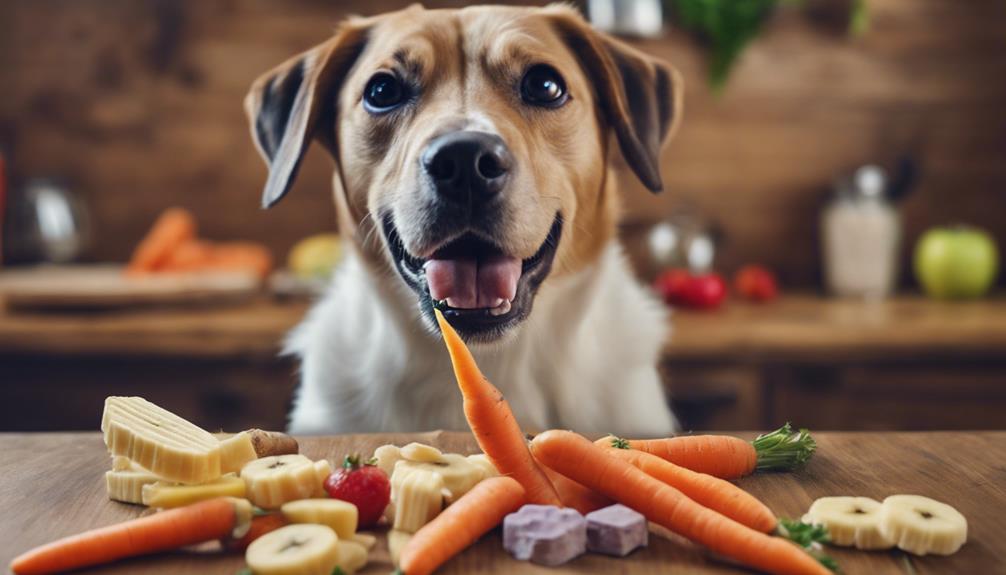
Healthy Treat Alternatives to Peanut Butter
When choosing treats for your dog, it's essential to prioritize natural ingredients and healthy snacks. If you're looking for peanut butter alternatives, consider the following options:
- Yogurt and Pumpkin Puree: This combination provides probiotics, protein, fiber, and beta-carotene. Both ingredients are easily digestible and can be used as a peanut butter substitute in recipes.
- Sweet Potato Chews: Rich in vitamins, minerals, and antioxidants, sweet potato chews are a nutritious treat. They're also a good source of fiber, making them a suitable peanut butter substitute.
- Carrots and Green Beans: These crunchy snacks are low in calories and rich in vitamins and minerals. They're an excellent alternative to peanut butter and can be served raw or steamed.
When selecting treats, always read the label and choose brands that use natural ingredients and avoid added preservatives. You can also make your own dog treats using healthy ingredients like sweet potatoes, carrots, and green beans. By offering a variety of healthy treats, you can ensure your dog gets the necessary nutrients to stay happy and healthy.
Frequently Asked Questions
Is Jif Peanut Butter Safe for Dogs?
When considering peanut butter for your dog, it's essential to prioritize their safety. Some peanut butters contain xylitol, a sugar substitute toxic to dogs. Always check the ingredients before giving your dog peanut butter. Xylitol can cause a rapid drop in blood sugar and even liver failure in dogs. If you're unsure, consult with your veterinarian about peanut butter and other treats. They can provide personalized advice on safe snacks and daily diet questions. Remember, caution is key when introducing new foods to your dog's diet.
Which Peanut Butter Is Safe for Dogs?
When choosing a peanut butter for your dog, it's essential to consider the risks. Xylitol toxicity and canine allergies are two significant concerns. Opt for peanut butters from brands like Whole Foods 365 or Trader Joe's, which offer healthy alternatives to traditional dog food. Always check the label to ensure the product is safe for your dog.
Does Jif Peanut Butter Have Xylitol in It?
Jif peanut butter does not contain xylitol. However, it's still crucial to check the ingredients of any peanut butter product to ensure pet safety. Xylitol, a sugar substitute, is toxic to dogs and can be found in some sugar-free or low-calorie peanut butter alternatives. Always review the ingredient list and watch for product recalls due to xylitol toxicity. Opt for peanut butters with natural sweeteners or choose pet-friendly snacks to keep your dog safe.
What Brands of Peanut Butter Contain Xylitol?
Certain peanut butter brands contain xylitol, a toxic sugar substitute. Be cautious of brands like Go Nuts Co., Krush Nutrition, and Nuts N More P28 Foods, which use xylitol in their products. Instead, choose peanut butter brands that do not contain xylitol and opt for natural sweeteners. Always check the ingredient labels, as formulations can change over time.
In summary
Feeding your dog Jif peanut butter requires caution. Peanut butter can be a healthy treat in moderation, but it's crucial to choose a xylitol-free brand. Overconsumption can be harmful. Always prioritize your dog's health and safety over the temptation of a tasty snack.
Remember, not all peanut butters are safe for dogs. Xylitol, a common ingredient, is toxic to dogs. Ensure the brand you choose doesn't contain this ingredient. If you're unsure, consult with your veterinarian.
In moderation, peanut butter can provide health benefits for dogs. It's a good source of protein, healthy fats, and vitamins. However, it's high in calories, so overindulgence can lead to weight gain and other health problems.
Keep an eye on your dog's peanut butter intake and adjust as needed. If you notice any adverse reactions, stop feeding peanut butter immediately. Your dog's health and safety should always be your top priority.
- Advertisement -