
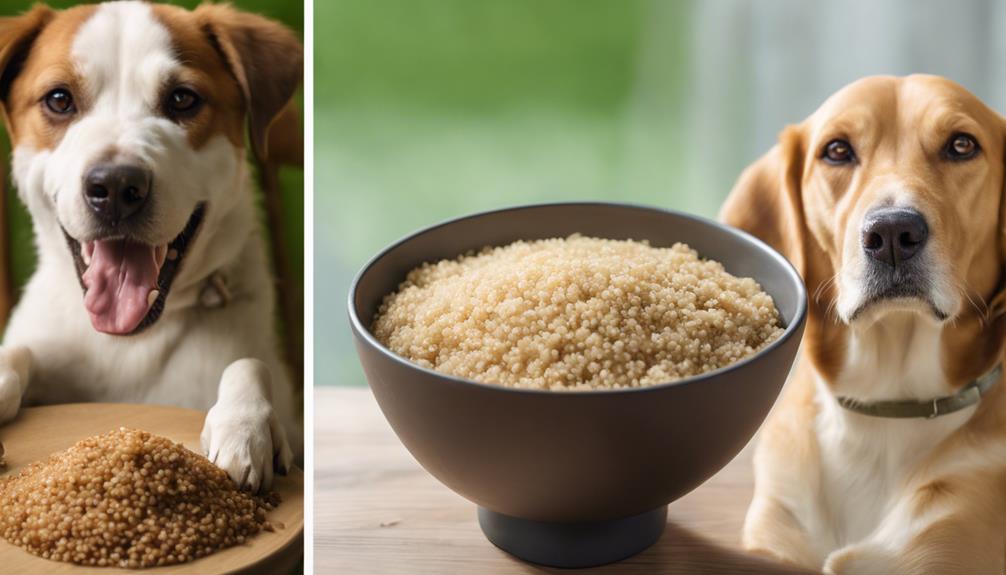
Can Dogs Eat Quinoa and Brown Rice
- Advertisement -
You can safely introduce quinoa and brown rice into your dog's diet as healthy, nutrient-rich ingredients that provide essential benefits for their overall health and well-being. Quinoa, packed with amino acids, vitamins, and minerals, supports overall health, while brown rice is a nutritious, easily digestible carbohydrate source rich in fiber and antioxidants. However, it's vital to ponder potential drawbacks, such as quinoa's saponin content, and brown rice's high carbohydrate content. By exploring the benefits and precautions of these ingredients, you'll be able to make informed decisions about incorporating them into your dog's diet and reveal the full potential of these nutrient-dense foods.
Key Takeaways
- Quinoa is a nutritious addition to a dog's diet, providing essential amino acids, vitamins, and minerals, but saponin removal is crucial.
- Brown rice is a digestible carbohydrate source, rich in fiber and antioxidants, but may not be suitable for dogs with sensitive stomachs or diabetes.
- Quinoa and brown rice can be beneficial for dogs when introduced gradually and prepared correctly, but may cause digestive issues if not tolerated.
- Oats are a nutritious whole grain alternative to brown rice, rich in fiber, nutrients, and antioxidants, and can improve a dog's skin and coat.
- It's essential to consult with a veterinarian before making significant changes to a dog's diet, including adding quinoa, brown rice, or oats.
Quinoa Nutrition and Benefits
Quinoa is a nutrient-rich ingredient that provides numerous benefits for dogs. It is packed with essential amino acids, vitamins, and minerals that support overall health and well-being. Quinoa is an excellent source of calcium, protein, vitamin E, B-1, and B-2, offering antioxidant and anti-inflammatory properties.
The vitamin B1 in quinoa supports metabolism and brain function, while calcium is essential for healthy bones and teeth. This makes quinoa particularly beneficial for pregnant and nursing female dogs. Quinoa is also a good source of heart-healthy monounsaturated fat and omega-3 fatty acids, which are crucial for overall health.
Quinoa's high nutritional value makes it a valuable ingredient in high-quality dog foods. By incorporating quinoa into their diet, dog owners can provide their pets with the essential amino acids they need to thrive. Quinoa's nutritional benefits include supporting metabolism, brain function, and bone health, making it an excellent addition to a dog's meals.
Incorporating quinoa into a dog's diet can provide the necessary nutrients for a happy and healthy life. By understanding quinoa's benefits, dog owners can make informed decisions about their pet's diet and provide them with the nutrients they need.
Is Quinoa Safe for Dogs?
Quinoa can be a nutritious addition to your dog's diet, but it's crucial to consider its potential drawbacks. Saponin, a naturally-occurring chemical in quinoa, can cause intestinal irritation in dogs if not removed properly through washing and cooking. Adding quinoa to a balanced dog food can also upset the nutrient balance and lead to health issues if not done correctly.
Some dogs may experience digestive difficulties, such as vomiting, diarrhea, or constipation, if they cannot tolerate quinoa. Quinoa can also increase inflammation in dogs, exacerbating pain in dogs with arthritis, and should be avoided or fed in moderation in these cases. Additionally, quinoa prepared for humans may contain harmful ingredients, such as onions or salt, and should not be fed to dogs.
To ensure quinoa is safe for your dog, prepare it correctly and monitor their reaction. If you're unsure, consult with your veterinarian to determine whether quinoa is suitable for your dog's diet. While quinoa can be beneficial, it's not suitable for all dogs. Prioritize your dog's health and well-being by making informed decisions about their diet.
Brown Rice for Dogs Explained

Brown rice is a nutritious and easily digestible carbohydrate source that can benefit your dog's health. As a whole grain, it provides several advantages when added to their diet.
Brown rice offers four key benefits:
- High in Fiber: Brown rice is rich in dietary fiber, which helps regulate your dog's digestive system and promotes healthy bowel movements.
- Rich in Antioxidants: It contains antioxidants that protect your dog's cells from damage caused by free radicals, reducing the risk of chronic diseases.
- Good Source of Manganese: Brown rice is a rich source of manganese, an essential mineral that plays a vital role in your dog's metabolism, wound healing, and bone health.
- Easily Digestible: Brown rice is gentle on your dog's stomach and easily digestible, making it an excellent option for dogs with sensitive stomachs or digestive issues.
When prepared properly, brown rice provides your dog with the energy they need to stay active and healthy. By incorporating brown rice into their meals, you can support their overall health and well-being.
When to Avoid Brown Rice
When to Avoid Brown Rice
Brown rice may not be suitable for all dogs. If your dog has sensitive stomach issues, it's best to avoid brown rice as it can worsen the condition. Similarly, if your dog is prone to carb-rich diets or has diabetes, brown rice can exacerbate these conditions due to its high carbohydrate content. In these situations, it's essential to explore alternative dietary options that better suit your dog's needs.
Sensitive Stomach Issues
If your dog has a sensitive stomach, it's crucial to approach dietary changes with caution. Introducing brown rice too quickly can exacerbate existing stomach issues. Monitor your dog's reaction closely when introducing new foods, including brown rice.
Signs that your dog's sensitive stomach may not tolerate brown rice include:
- Vomiting or diarrhea after consuming brown rice. Remove it from their diet if this occurs.
- Bloating or gas, marked by whining, panting, or restlessness, which may indicate digestive issues.
- Lethargy or loss of appetite, which could be a sign of an upset stomach.
- Skin issues or ear infections, which can be triggered by food sensitivities. Consult your veterinarian if you notice any of these issues after feeding your dog brown rice.
Carb-Rich Diets Concerns
Carb-Rich Diets Concerns
How much carbohydrate is too much for your dog's diet? Understanding the implications of carb-rich diets is crucial for responsible pet owners. Brown rice, a nutritious ingredient, contributes to high carbohydrate levels. Consuming excessive carbohydrates leads to elevated blood sugar levels, potentially causing health issues.
Avoid brown rice if your dog is prone to weight gain, has high blood sugar levels, or is at risk of developing insulin resistance. Additionally, if your dog has digestive issues or a sensitive stomach, a carb-rich diet may worsen these problems.
Plan your dog's diet carefully. Carbohydrates should not exceed 30-40% of their daily caloric intake. Balance is key, and ensuring your dog receives necessary nutrients without overloading on carbohydrates is vital. By monitoring carbohydrate intake, you can maintain your dog's overall health.
Diabetic Dog Precautions
Managing your diabetic dog's diet requires careful attention. Brown rice is a food to avoid due to its high glycemic index, which can raise blood glucose levels and worsen symptoms.
Four key reasons to exclude brown rice from your diabetic dog's diet are:
- Uncontrolled blood sugar levels: Brown rice can lead to uncontrolled blood sugar levels, causing further health complications.
- Insulin resistance: Brown rice can exacerbate insulin resistance in diabetic dogs, making a low-carb, high-fiber diet essential.
- Inadequate nutrition: Brown rice lacks essential nutrients diabetic dogs require, making it an unsuitable carbohydrate source.
- Customized diet plan: Consult with a veterinarian to develop a customized diet plan that excludes brown rice and other harmful ingredients.
Alternative Grains for Dogs
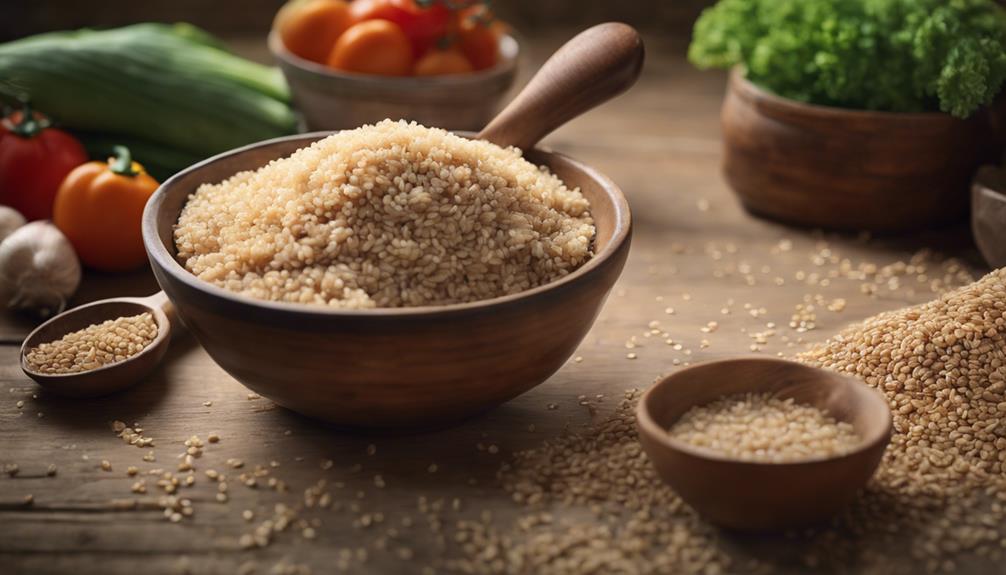
Oats are a nutritious whole grain option for dogs, rich in fiber, nutrients, and antioxidants. These benefits can improve your dog's skin and coat. When selecting alternative grains, consider oats and quinoa. Both provide essential fiber, nutrients, and antioxidants for your dog's overall health.
Oats for Dogs
Oats are a nutritious whole grain that can provide various health benefits for dogs. They contain essential nutrients like manganese, magnesium, and phosphorus, which support overall health and well-being.
Feeding oats to your dog can have several benefits:
- Oats are rich in fiber and antioxidants, which are beneficial for a dog's skin and coat.
- Unlike brown rice, oats are easily digestible and provide essential nutrients.
- Oats support energy production, digestive health, and overall nutrition in dogs.
- You can feed oats to your dog in various forms, including rolled oats, steel-cut oats, and oatmeal. However, it's crucial to cook them first to make them easily digestible.
Remember to introduce oats gradually into your dog's diet to avoid digestive upset. Always consult with a veterinarian before making significant changes to your dog's diet.
- Advertisement -
Quinoa Benefits
Quinoa is a nutritious grain that provides essential nutrients for dogs. As a complete protein, it contains all nine amino acids dogs need to stay healthy. This makes quinoa a valuable addition to your dog's diet, supporting strong muscles and overall well-being.
Quinoa is high in fiber, which helps regulate bowel movements and supports digestive health in dogs. It's also rich in vitamins and minerals like iron, calcium, and potassium, making it a great source of essential nutrients. Quinoa supports energy production, metabolism, and brain function, making it a nutritious addition to a dog's diet.
As a gluten-free, easily digestible grain, quinoa is a healthy alternative to other grains like wheat, corn, and soy. Adding quinoa to your dog's meals can provide a balanced and nutritious diet.
Grains to Avoid Feeding Dogs
Some grains can harm your dog's digestive system, so it's crucial to know which ones to avoid. Feeding your dog the wrong grains can lead to digestive issues, allergies, and long-term health problems.
Wheat is a common allergen in dogs and can cause skin issues, itching, and digestive problems.
Barley is difficult for dogs to digest and can cause gastrointestinal upset, diarrhea, and vomiting.
Rye contains a toxic compound called ergot, which can cause vomiting, diarrhea, and abdominal pain in large quantities.
Oats can be problematic unless they're certified gluten-free, as they may contain gluten, which can cause issues in dogs with gluten intolerance or sensitivity.
When choosing dog food, read the ingredient labels carefully and avoid products containing these grains. Instead, opt for high-quality dog foods that use healthy, easily digestible ingredients. This will help maintain your dog's health and well-being.
Whole Grains for Canine Health
Whole grains like oats and quinoa are superior alternatives to brown rice for dogs. They are easier to digest and provide more nutritional value. Quinoa is a nutrient-rich food, containing amino acids, fiber, antioxidants, vitamins, and minerals that benefit dogs. Oats are another excellent whole grain option, rich in fiber, nutrients, minerals, and antioxidants that benefit a dog's skin and coat.
Incorporating whole grains into your dog's diet provides essential nutrients, fiber, and antioxidants. These nutrients support overall health and well-being. As a pet owner, you want to ensure your dog receives the best possible nutrition. Whole grains can play a significant role in achieving this. Quinoa and oats are healthy additions to your dog's meals, providing the necessary nutrients for optimal health.
When choosing whole grains, select quinoa and oats for their high nutritional value. These grains are easier to digest and provide more benefits than brown rice. By incorporating whole grains into your dog's diet, you can be confident they are receiving the nutrients they need to thrive.
Quinoa as a Healthy Food Option
Incorporating quinoa into your dog's diet can significantly improve their overall health and well-being. Quinoa is a nutritious food option that offers several benefits.
Quinoa is a protein-rich and nutrient-dense food source, providing essential nutrients like calcium. This makes it a healthier alternative to starches like corn, wheat, and soy often used in dog kibble.
Quinoa supports overall health by providing a balanced diet for dogs. This helps maintain heart health and overall well-being.
Active dogs can benefit from quinoa's high protein and healthy carbohydrate content, which can sustain energy levels for longer periods.
Quinoa is also rich in antioxidants, which help reduce oxidative stress and inflammation in dogs.
Adding quinoa to your dog's diet provides a nutritious and healthy food option. It can be a valuable ingredient in high-quality dry dog foods, supporting overall health and well-being. By incorporating quinoa into your dog's diet, you are taking a proactive step towards ensuring their health and happiness.
Safety Precautions for Feeding Quinoa
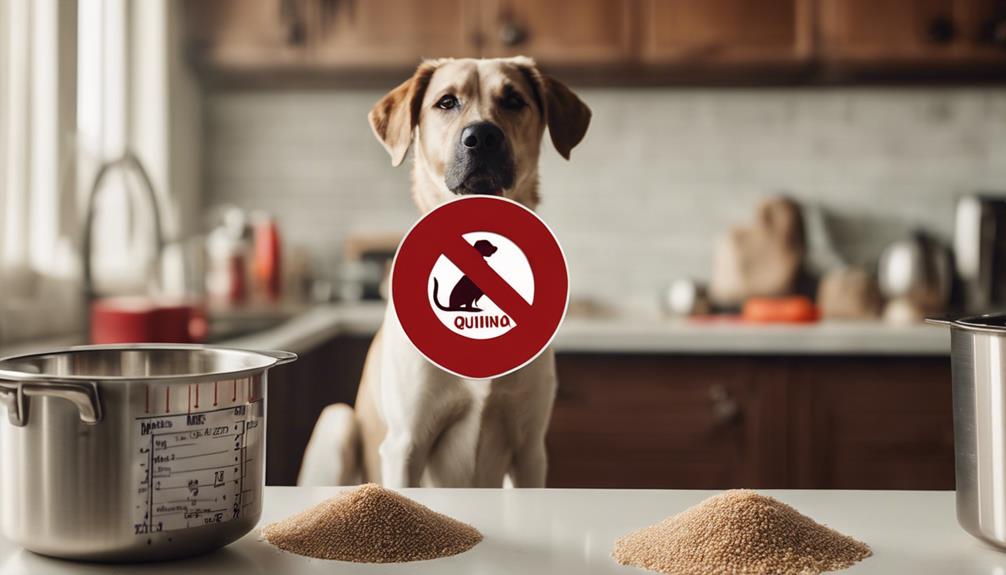
To ensure a safe and healthy transition to quinoa for your dog:
- Introduce quinoa gradually. Start with a small amount and increase the serving size over several days. Monitor your dog for signs of digestive issues, such as diarrhea or vomiting.
- Cook quinoa to remove most of the saponin, a chemical that can cause intestinal irritation in dogs.
- Prepare quinoa specifically for your dog. Quinoa prepared for humans may contain toxic ingredients like onions or salt. Always check the ingredients before feeding quinoa to your dog.
- Consult a veterinarian before making any changes to your dog's diet, including introducing quinoa. Quinoa can interact with medications or worsen underlying health conditions.
Frequently Asked Questions
What Is Better for Dogs, Quinoa or Rice?
Quinoa and rice are two common ingredients used in dog food, but which one is better?
Quinoa has a higher protein content and provides essential amino acids that dogs need. However, some dogs may develop sensitivities to quinoa, so it's crucial to monitor their reaction.
Rice, on the other hand, is often easier to digest, making it a good option for dogs with sensitive stomachs.
Ultimately, the decision between quinoa and rice comes down to your dog's individual needs and sensitivities. Consult with your veterinarian to determine the best choice for your dog.
How Much Quinoa Can My Dog Have?
A healthy serving of quinoa for your dog is 1/4 cup or 1 ounce per 20 pounds of body weight. To determine the ideal amount, start with 1/8 teaspoon per pound of body weight and gradually increase over 7-10 days. For example, a 40-pound dog would need 2 tablespoons of quinoa daily. However, it's essential to consult your vet to determine the best quinoa measurement for your dog's unique needs and health conditions.
Can Dogs Eat Brown Rice?
Dogs can eat brown rice, but with some precautions. Brown rice offers benefits like fiber, vitamins, and minerals. However, some dogs may be allergic to rice, so monitor their reaction. Proper cooking is essential – cook brown rice thoroughly to avoid digestive issues. When introducing brown rice into your dog's diet, do it gradually and in moderation to ensure their safety.
Can Dogs Eat Quinoa and Brown Rice With Garlic?
Dogs can eat quinoa and brown rice, which can aid their digestion. However, garlic is toxic to dogs and can cause harm. Garlic contains compounds that damage red blood cells, leading to anemia. To ensure a safe meal, use garlic-free seasonings instead.
In summary
When considering quinoa and brown rice for your dog's diet, prioritize a balanced meal plan. Whole grains like quinoa and brown rice can be a healthy addition, but they should not replace essential nutrients. Always consult with a veterinarian to ensure your dog's unique needs are met.
Incorporating quinoa and brown rice into your dog's meals can be beneficial, but it's crucial to understand their nutritional requirements. A well-planned diet should include a balanced mix of protein, fat, carbohydrates, vitamins, and minerals. Quinoa and brown rice can provide fiber, carbohydrates, and some essential amino acids, but they lack the necessary protein and fat for a complete meal.
Remember, every dog is different, and their dietary needs vary based on factors like age, breed, and health conditions. Before making any changes to your dog's diet, consult with a veterinarian to determine the best approach for your furry friend.
- Advertisement -