

Dealing With Heart Problems in Dogs and Anxiety
- Advertisement -
As a dog owner, you're likely no stranger to the distressing symptoms of heart problems in your furry friend, which can manifest as coughing, difficulty breathing, and lethargy, often accompanied by anxiety that can be just as debilitating. Congestive heart failure, heart disease, and anxiety can profoundly impact your dog's quality of life. Understanding the types of heart disease, recognizing symptoms, and managing anxiety are vital in providing your dog with a comfortable and healthy life. You'll want to explore the various treatment options, prevention strategies, and ways to improve your dog's quality of life, from dietary changes to stress-reducing activities, to guarantee you're giving your dog the best chance at a happy and healthy life.
Key Takeaways
- Dogs with heart conditions often experience anxiety, which can manifest as panting, pacing, and whining, and requires a comprehensive treatment plan.
- Providing a stable and comfortable environment through a familiar routine and comfortable living space can help reduce anxiety in dogs with heart conditions.
- Counterconditioning techniques, such as desensitization and positive reinforcement, can reduce anxiety symptoms in dogs with heart problems.
- Regular exercise and a balanced diet are crucial for supporting overall health, and stress-reducing activities can help calm the dog and reduce anxiety.
- Addressing anxiety in dogs with heart conditions is essential to prevent exacerbating heart problems and to improve their quality of life.
Understanding Congestive Heart Failure
Congestive heart failure (CHF) is a serious condition that occurs when a dog's heart cannot pump enough blood to meet their body's needs. This leads to fluid buildup in the lungs, abdomen, or other organs. CHF is different from heart failure, as it specifically refers to the heart's inability to pump enough blood, resulting in fluid accumulation in other parts of the body.
There are two types of CHF in dogs: right-sided CHF and left-sided CHF. Right-sided CHF affects the right side of the heart and causes fluid buildup in the abdomen. Left-sided CHF affects the left side of the heart and causes fluid buildup in the lungs.
To diagnose CHF, your veterinarian will perform a physical examination, imaging tests, and lab tests. Treatment typically involves medications to manage symptoms, dietary changes, and oxygen therapy. Your veterinarian will work with you to develop a personalized treatment plan for your dog.
Regular monitoring and veterinary care are crucial to managing CHF effectively. By understanding CHF, you can take the necessary steps to ensure your dog receives the best possible care.
Recognizing Symptoms of Heart Failure
Recognizing Heart Failure Symptoms in Dogs
Heart failure in dogs can be a life-threatening condition. As a dog owner, it's crucial to identify the symptoms early to seek prompt veterinary attention. Coughing and wheezing are common signs of heart failure, often caused by fluid buildup in the lungs. Other symptoms include difficulty breathing, rapid breathing, and fainting, which can indicate left-sided heart failure.
If your dog struggles to keep up with usual activities, appears lethargic, weak, or tired, it may be a sign of heart failure. A low heart rate, slowed heart rate, and swelling of the abdomen are additional symptoms, which may indicate right-sided heart failure. Swollen legs, ankles, and paws can also occur in dogs with heart failure, particularly if the right side of the heart is affected.
Monitor your dog's behavior and physical condition closely, as heart failure can lead to anxiety and distress. Early recognition of these symptoms can help your dog receive timely treatment and improve their quality of life. Prompt veterinary attention is essential in managing heart disease and anxiety in dogs.
Diagnosing and Treating Heart Failure
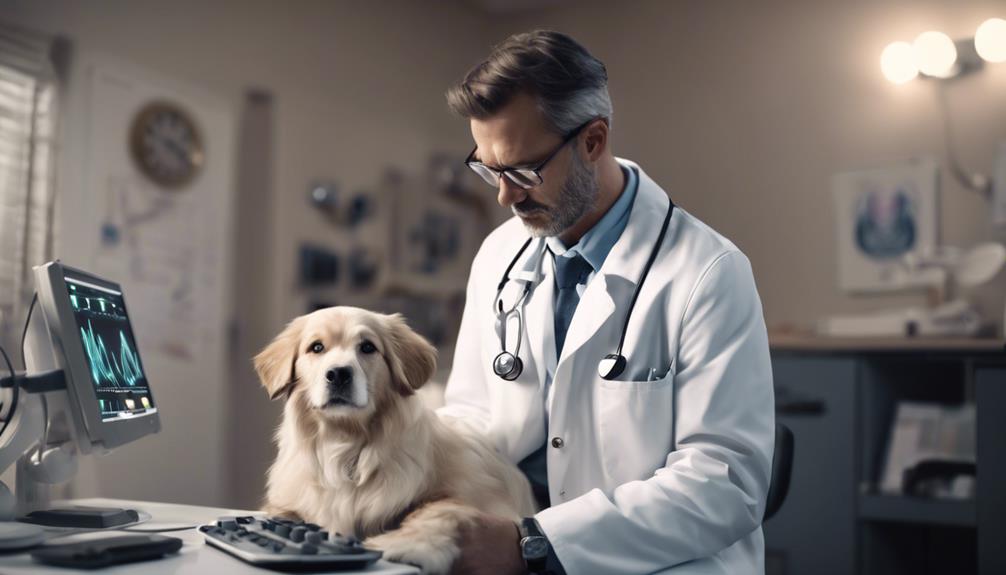
Diagnosing heart failure in dogs typically involves a combination of physical examination, imaging tests, and lab tests. A veterinarian will use these tools to diagnose congestive heart failure (CHF) and rule out other potential causes.
The diagnosis process usually starts with a physical examination, where the veterinarian will check for signs such as rapid breathing, coughing, and fatigue. Imaging tests, including X-rays, echocardiograms, and electrocardiograms, help identify changes in the heart and lungs. Lab tests, such as blood tests, may also be necessary to check for underlying conditions that could be contributing to heart failure.
Once the diagnosis is confirmed, the veterinarian will work with you to develop a treatment plan. This may include medication to manage symptoms, dietary changes, and lifestyle adjustments. Understanding the diagnosis and treatment process is crucial in improving your dog's quality of life.
Heart Failure Diagnosis
Diagnosing heart failure in dogs requires a thorough examination by a qualified veterinarian. The diagnosis process involves a combination of tests and examinations to determine the presence of congestive heart failure (CHF).
First, the veterinarian will perform a physical examination to identify visible signs of CHF, such as coughing, wheezing, exercise intolerance, and fainting. Next, imaging tests like X-rays and ultrasound will be used to detect heart size and congestion.
An echocardiography (ECG) will also be conducted to monitor heartbeat patterns and irregularities. Additionally, lab tests will be run to rule out other potential issues, such as heartworms. In some cases, a heart monitor may be used to track heart rate over 24-48 hours to identify any irregularities.
Early detection and treatment of CHF are crucial for improving your dog's quality of life. Regular check-ups with a veterinarian are necessary to monitor and adjust treatment plans. By catching heart failure early, you can help your dog live a longer, healthier life.
Symptom Identification
Identifying Symptoms of Heart Failure in Dogs
If your veterinarian has diagnosed your dog with heart failure, it's crucial to recognize the symptoms to guide treatment. Common signs of heart disease include:
- Coughing and wheezing due to fluid buildup in the lungs
- Abnormal breathing patterns
- Exercise intolerance
- Fainting spells
- Swollen stomach
These symptoms indicate that your dog's heart is not functioning properly, leading to fluid accumulation in various organs.
Recognizing these symptoms is vital in guiding treatment and managing your dog's condition. By working with your veterinarian, you can develop a treatment plan that addresses your dog's specific needs. This may involve:
- Medication
- Dietary changes
- Oxygen therapy
- Surgical intervention
- Addressing dog anxiety through anti-anxiety approaches to alleviate anxiety-related complications
Managing Anxiety in Dogs With Heart Conditions
Managing Anxiety in Dogs With Heart Conditions
Dogs with heart conditions often experience anxiety, which can manifest as panting, pacing, and whining. This anxiety can be triggered by changes in their environment, loud noises, or separation from their owners. To help your dog feel more comfortable and secure, it's essential to develop a comprehensive treatment plan that addresses both their physical and emotional needs.
First, provide a stable and comfortable environment by establishing a familiar routine and a comfortable living space. This can help reduce anxiety and improve overall well-being.
Next, consider implementing counterconditioning techniques, such as desensitization and positive reinforcement, to reduce anxiety symptoms. Work with your veterinarian to develop a treatment plan that may include medication, such as SSRIs and antidepressants, in conjunction with lifestyle changes.
Regular exercise and a balanced diet are also crucial for supporting your dog's overall health. Consider adding stress-reducing activities, such as massage or acupuncture, to help calm your dog.
Types of Heart Disease in Dogs
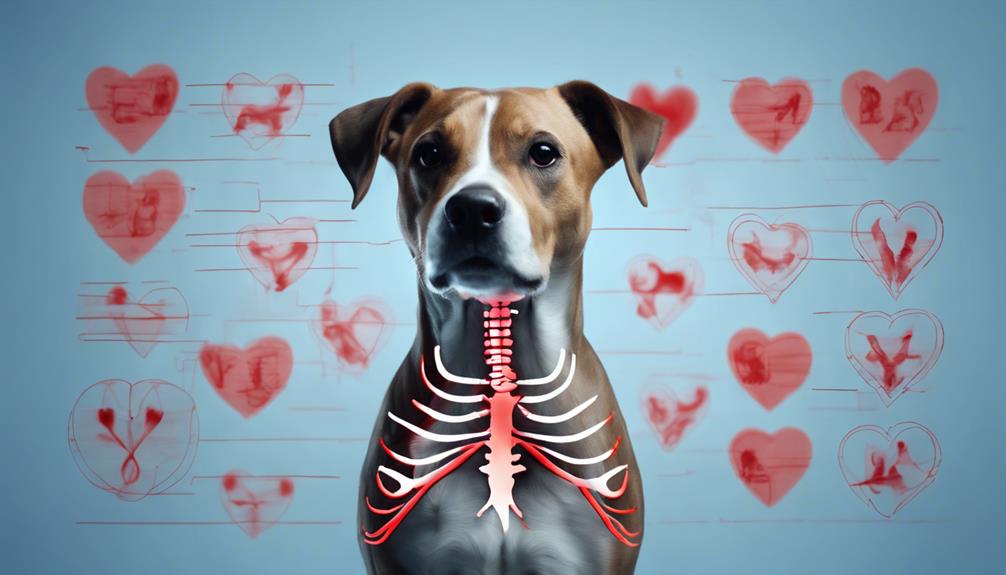
Heart disease in dogs falls into two main categories: congenital heart defects and acquired heart conditions. Congenital heart defects are present at birth, while acquired heart conditions develop later in life. Understanding these distinctions is crucial for identifying potential heart issues in your dog.
Congenital Heart Defects
Congenital heart defects in dogs occur when a puppy is born with a heart anomaly, affecting its structure and function. This condition affects approximately 0.5-1.5% of live births and can be inherited or caused by environmental factors.
Common congenital heart defects in dogs include:
- Patent ductus arteriosus
- Pulmonary stenosis
- Aortic stenosis
- Ventricular septal defects
- Atrial septal defects
Symptoms of congenital heart defects may include:
- Coughing
- Difficulty breathing
- Lethargy
- Poor weight gain
If left untreated, these defects can lead to heart failure and death. A veterinary diagnosis is crucial in determining the best course of action for your dog's specific heart defect.
Diagnosis typically involves a combination of:
- Physical examination
- Echocardiography
- Other diagnostic tests
Treatment options vary depending on the type and severity of the defect. They may include:
- Surgery
- Medication
- Palliative care
- Advertisement -
It is essential to work with a veterinarian to determine the best treatment plan for your dog.
Acquired Heart Conditions
Acquired heart conditions can develop in dogs at any stage of life, regardless of their breed or age. These conditions can be caused by a combination of genetic, age-related, dietary, and lifestyle factors. If left untreated, they can lead to heart disease, heart failure, and even sudden death.
One common acquired heart condition is canine dilated cardiomyopathy (DCM), which occurs when the heart muscle becomes enlarged, reducing its ability to function properly. This can lead to life-threatening complications if not managed properly.
Other prevalent acquired heart conditions include mitral valve disease, heartworm disease, and chronic valve disease. These conditions can cause heart failure, pulmonary edema, and even death if not properly diagnosed and managed.
If you suspect your dog is showing symptoms of a heart condition, prompt diagnosis is crucial to prevent further complications. Understanding these acquired heart conditions enables you to take proactive steps to manage your dog's condition and improve their overall quality of life.
It's essential to recognize the signs of heart conditions, which may include:
- Coughing or difficulty breathing
- Lethargy or fatigue
- Loss of appetite
- Swollen abdomen or legs
If you notice any of these symptoms, consult with your veterinarian to determine the best course of action. Early detection and treatment can significantly improve your dog's chances of recovery and reduce the risk of complications.
Preventing Heart Disease in Dogs
Preventing Heart Disease in Dogs
Heart disease is a major health concern for dogs, but you can take proactive steps to reduce the risk. By making informed decisions about your dog's diet, exercise, and veterinary care, you can significantly lower the likelihood of heart disease.
To prevent heart disease in your dog:
- Feed a healthy diet rich in Taurine and Omega-3 Fatty Acids to reduce inflammation and improve cardiac function.
- Engage your dog in regular exercise, such as daily walks and playtime, to maintain a healthy weight and reduce the risk of heart disease.
- Work with your veterinarian to monitor your dog's blood pressure and cholesterol levels through regular check-ups.
- Provide a balanced diet formulated to meet your dog's specific life stage and breed needs.
- Maintain a healthy weight through a combination of diet and exercise to decrease the strain on your dog's heart and reduce blood pressure.
Dealing With Heart Attacks in Dogs

Dealing with Heart Attacks in Dogs
Heart attacks in dogs are rare but can occur when coronary arteries become blocked or leak, reducing blood flow to the heart muscle. If your dog has heart disease, it's crucial to recognize the signs of a heart attack, which may include vomiting, excessive panting, rapid heartbeat, fever, and pain in the front legs.
If you suspect a heart attack, seek emergency medical attention immediately. Prompt treatment is vital due to the risk of sudden death. Your veterinarian will perform tests, such as blood tests, X-rays, electrocardiograms, echocardiograms, and imaging tests, to identify underlying conditions.
Treatment for heart attacks in dogs depends on the underlying cause and severity. Your veterinarian may prescribe medications, recommend lifestyle changes, and schedule regular monitoring and follow-up appointments. Collaborate closely with your veterinarian to determine the best course of treatment for your dog.
Anxiety in Dogs With Heart Problems
Anxiety in dogs with heart problems is a common issue that can worsen their condition. As a dog owner, it's crucial to recognize anxiety signs in your dog and take action.
Dogs with heart problems are more prone to anxiety due to physical discomfort and pain. This leads to increased stress and anxiety levels.
Key points to consider when dealing with anxiety in dogs with heart problems:
- Separation anxiety often accompanies heart problems, making dogs more clingy and dependent on owners.
- Physical symptoms of heart problems, such as coughing, panting, and lethargy, can be mistaken for anxiety symptoms. Consult a veterinarian for an accurate diagnosis.
- Anxiety can exacerbate heart problems by increasing heart rates and blood pressure, putting additional strain on the cardiovascular system.
- Managing anxiety requires a comprehensive approach, including medication, behavioral therapy, and lifestyle changes. This can include providing a calm environment and regular exercise to reduce stress and promote overall well-being.
- Work closely with your veterinarian to develop a plan that addresses your dog's anxiety and heart problems.
Improving Quality of Life for Dogs

Improving your dog's quality of life is crucial when dealing with heart problems. As a responsible pet owner, you need to take immediate action to ensure your dog lives a comfortable life despite their heart disease.
A veterinarian will likely recommend a combination of medication, diet, and lifestyle changes to help your dog live a healthier life. For example, they may suggest a low-sodium diet to reduce the strain on your dog's heart. Regular exercise, such as short walks, can also improve circulation and overall health.
To further improve your dog's quality of life, consider the following steps:
- Provide a comfortable and quiet living space to reduce stress and anxiety.
- Look into physical therapy or massage to improve mobility and reduce pain.
Frequently Asked Questions
What Can I Do to Comfort My Dog With Heart Failure?
To comfort your dog with heart failure, try a combination of the following:
Create a quiet environment to reduce stress. Soothing music can also help calm them down. Provide warm blankets and their favorite comfort foods to make them feel more secure. Gentle exercise, such as short walks, can reduce anxiety. Additionally, gentle petting or a relaxing massage can be calming.
Remember to tailor your approach to your dog's individual needs and preferences. By combining these elements, you can create a comforting space that helps your dog feel more at ease.
What Can I Do to Comfort My Dog With Heart Failure?
To comfort your dog with heart failure, start by providing gentle care and a peaceful environment. Begin with a gentle paw massage, calming aids, and short, gentle exercise sessions. Create a quiet space with minimal distractions where your dog can rest comfortably. Soothing music and cozy bedding can also help create a calming atmosphere.
Remember to keep exercise sessions short and gentle to avoid exertion. Provide a comfortable place for your dog to rest and relax. Your emotional support and gentle care can help your dog feel safe and relaxed, which is essential for their comfort and well-being. By following these steps, you can create a comforting environment for your dog to recharge.
What Is the Final Stage of Congestive Heart Failure in Dogs?
The final stage of congestive heart failure in dogs is characterized by severe symptoms. These symptoms include rapid breathing, coughing, and difficulty breathing due to fluid buildup in the lungs or abdomen. Canine cardiomyopathy, a common heart disease diagnosis, can lead to this stage.
Heart failure symptoms require prompt veterinary care, including heart murmur detection and cardiac arrest prevention. The prognosis is typically poor, and treatment focuses on alleviating symptoms rather than curing the condition.
What Is the Final Stage of Congestive Heart Failure in Dogs?
Congestive heart failure in dogs is a devastating condition that worsens over time. In the final stage, dogs often exhibit severe symptoms, including difficulty breathing, coughing, and lethargy. Canine cardiologists look for signs of advanced heart failure, such as rapid breathing, wheezing, and blue-tinged gums, which indicate a high risk of cardiac arrest.
To improve your dog's quality of life, it's crucial to catch the disease early and explore treatment options with a veterinary cardiologist. While there is no cure for congestive heart failure, working with a specialist can help manage the condition and reduce symptoms.
In summary
Caring for a dog with heart problems and anxiety requires a proactive approach. To improve your dog's quality of life, it's essential to understand their condition and take steps to manage their symptoms.
Heart problems in dogs can be caused by various factors, including genetics, age, and lifestyle. Common symptoms include fatigue, coughing, and difficulty breathing. Anxiety, on the other hand, can manifest as panting, pacing, or destructive behavior.
To alleviate your dog's anxiety, try to identify triggers and create a calm environment. Provide a consistent routine, plenty of exercise, and mental stimulation. You can also use calming aids like pheromone diffusers or calming treats.
Managing heart problems typically involves medication, diet changes, and lifestyle adjustments. Work closely with your veterinarian to develop a treatment plan tailored to your dog's specific needs. Regular check-ups and monitoring will help you stay on top of their condition.
Remember, every small step counts. By taking proactive measures to manage your dog's heart problems and anxiety, you can significantly improve their quality of life.
- Advertisement -