
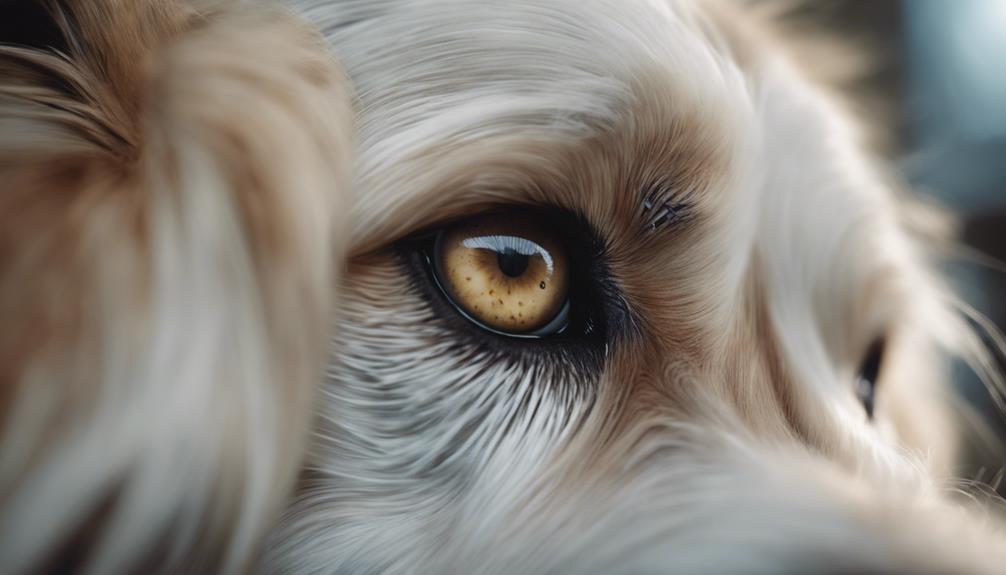
Watch Out for Corneal Ulcers in Dogs Symptoms
- Advertisement -
As a dog owner, it's vital to recognize the warning signs of corneal ulcers, a common and potentially painful eye problem that can markedly impact your dog's quality of life if left untreated. Corneal ulcers can cause redness, discharge, squinting, and avoidance of light, and can be triggered by trauma, chemical burns, infections, or foreign bodies. Certain breeds are more prone to this condition due to their facial structure. Identifying symptoms early is key, as delayed treatment can lead to complications. By understanding the causes and symptoms of corneal ulcers, you can take the first step towards protecting your dog's eye health and learn more about effective treatment and prevention strategies.
Key Takeaways
- Recognize symptoms of corneal ulcers in dogs, including redness, discharge, squinting, and avoidance of light, to prevent delayed treatment.
- Watch for signs of pain, such as whining or avoidance of activities, as they can indicate a corneal ulcer.
- Regular monitoring of a dog's behavior and eye health is vital to catch potential corneal ulcer issues early.
- A fluorescein stain test can help identify corneal ulcers by highlighting the damaged area, ensuring accurate diagnosis.
- Delayed treatment can lead to complications and negatively impact a dog's quality of life, so prompt veterinary attention is essential.
Understanding Corneal Ulcers
A corneal ulcer is a common eye problem in dogs that affects the clear outer layer of the eye, known as the cornea. The cornea is covered by a thin layer of epithelium, which can be damaged, leading to an ulcer.
The symptoms of a corneal ulcer include redness, discharge, squinting, and avoidance of light. In severe cases, a visible hole in the cornea may be noticeable. To diagnose a corneal ulcer, your veterinarian will perform a fluorescein stain test, which involves applying a special dye to the eye to highlight any damage.
Indolent corneal ulcers, also known as superficial ulcers, are a type of ulcer that commonly affects certain breeds, such as Boxers and Cocker Spaniels. These ulcers are often slow-healing and require close monitoring and treatment. Treatment typically involves topical antibiotics, pain management, and in some cases, surgical intervention.
If you suspect your dog has a corneal ulcer, it's essential to seek veterinary care promptly. Delayed treatment can lead to complications and negatively impact your dog's quality of life. With proper treatment, however, most dogs can recover from corneal ulcers and regain their normal vision and comfort.
Causes of Corneal Ulcers
Corneal ulcers in dogs can be caused by various factors. Trauma, such as blunt or laceration injuries, can lead to corneal ulcers. These injuries often occur due to accidents, fights, or self-inflicted wounds. Chemical burns from substances like shampoo, skin medicine, or ear cleaner can also cause corneal ulcers if they come into contact with the eye.
Infections, both bacterial and viral, can lead to corneal ulcers, especially in dogs with underlying conditions like dry eye or eyelid abnormalities. Foreign bodies, such as sand, dirt, or debris, can get stuck behind the eyelids and cause repeated damage to the cornea, leading to ulcers. Certain breeds, including Poodles, Shih Tzus, and Bulldogs, are more prone to corneal ulcers due to their facial structure and increased risk of dry eye or eyelid abnormalities.
Identifying the underlying cause of the corneal ulcer is crucial for providing effective treatment. Understanding the cause helps develop a plan to manage the condition and prevent future occurrences. By recognizing the potential causes of corneal ulcers, you can take steps to minimize your dog's risk of developing this painful and potentially sight-threatening condition.
Recognizing Symptoms Early

Recognizing symptoms early is crucial in preventing minor corneal ulcers from becoming major problems in your dog. As a dog owner, it's essential to identify the symptoms of a corneal ulcer to ensure prompt treatment and prevent complications.
Damage to the corneal epithelium, the thin layer of cells on the eye's surface, can cause corneal ulcers. This leads to pain, redness, and discharge in the affected eye. Your dog may exhibit squinting, pawing at their eye, or avoiding light due to discomfort. You may notice a change in the eye's appearance, such as cloudiness or dullness.
A fluorescein stain can help identify corneal ulcers by highlighting the damaged area. Regular monitoring of your dog's behavior and eye health is vital to catch potential issues early. Watch for signs of pain, such as whining or avoidance of certain activities, as these can indicate a corneal ulcer.
Early recognition allows you to seek veterinary care and prevent the ulcer from progressing. Prompt treatment is critical in preventing complications and ensuring your dog's eye health.
Diagnosing Corneal Ulcers
Diagnosing Corneal Ulcers
Accurate diagnosis is crucial for effective treatment of corneal ulcers in dogs. Misdiagnosis occurs in nearly 50% of cases, leading to delayed treatment and potentially severe consequences. To ensure an accurate diagnosis, your veterinarian may refer you to a veterinary ophthalmologist to rule out other eye problems that mimic corneal ulcers.
The diagnosis process typically involves the following tests:
- Fluorescein staining to detect corneal abrasions or ulcers
- Special staining to highlight damage to the superficial layer of the cornea
- A thorough examination of your dog's eye to check for signs of redness, discharge, or squinting
- A Schirmer tear test to assess tear production and quality
If a corneal ulcer is diagnosed, your veterinarian will develop a treatment plan to promote healing and alleviate discomfort. It's essential to follow their instructions carefully to prevent further complications. Prompt diagnosis and treatment are key to preventing long-term damage to your dog's eye.
Treatment and Management
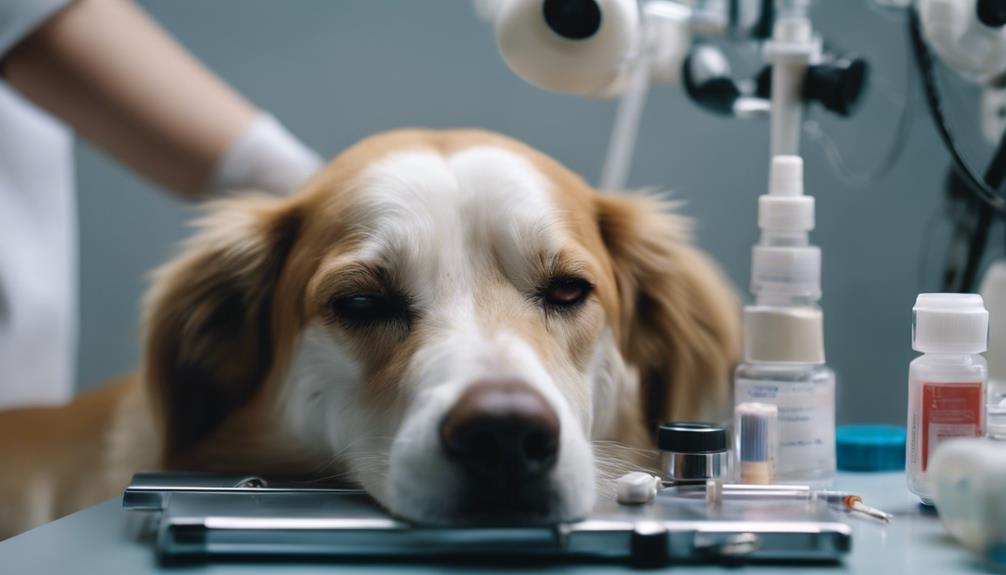
Treatment and management of your dog's corneal ulcer require a collaborative effort with your veterinarian. The goal is to develop a plan that promotes healing, relieves pain, and prevents complications. A well-designed plan will not only help your dog recover from the current ulcer but also reduce the risk of future ulcers.
Diagnosing Corneal Ulcers
Diagnosing Corneal Ulcers in Dogs
To diagnose a corneal ulcer in your dog, your veterinarian will typically start with a fluorescein stain test. This test helps identify areas of ulceration and determines the extent of the damage by adhering to areas of ulceration, making them easier to visualize.
During diagnosis, your veterinarian will consider several key factors:
- The size and location of the ulcer
- The depth of the ulcer and which layers of the cornea are involved
- Any secondary complications, such as infection or inflammation
- Your dog's overall health and medical history
Large ulcers are easily visible, while smaller ones may require special ophthalmic lights and filters to aid in diagnosis. A thorough eye exam will also help rule out other potential causes of your dog's symptoms. Accurate diagnosis is crucial in determining the best course of treatment and achieving the best possible outcome for your dog.
- Advertisement -
Preventing Future Ulcers
Preventing Future Ulcers
Dogs that have had corneal ulcers are at risk of developing future ulcers if the underlying causes are not addressed. To prevent this, identify and address underlying conditions such as dry eye or eyelid abnormalities, which increase the risk of corneal ulceration.
Follow your veterinarian's instructions carefully, including administering all prescribed medications and attending follow-up appointments. Use an E-collar to prevent your dog from rubbing or pawing at the affected eye, promoting healing and preventing further irritation.
Create a safe and comfortable environment for your dog by minimizing stress and reducing activity levels. This helps the healing process and reduces the risk of complications. Regular veterinary check-ups and monitoring of your dog's eye can identify potential issues early on, allowing for prompt treatment and prevention of future ulcers.
Managing Pain Effectively
Managing pain is essential in treating corneal ulcers. It reduces your dog's discomfort and promotes healing. You'll need to work with your veterinarian to develop a pain management plan tailored to your dog's specific needs.
Topical anesthetics, like proparacaine or tetracaine, can numb the eye and provide temporary pain relief. Oral pain medications, such as carprofen or meloxicam, can manage pain and inflammation. Atropine, an anticholinergic medication, can provide additional pain relief and reduce eye spasms. Anti-inflammatory drugs can reduce discomfort and promote healing.
Remember to follow your veterinarian's guidance when administering pain medication to ensure your dog receives the right treatment.
Prevention and Home Care
Monitor your dog's eye health regularly to prevent corneal ulcers from developing or recurring. Schedule regular check-ups with a veterinarian to monitor healing and adjust treatment as needed.
Administer all prescribed medications and prevent your dog from rubbing their affected eye to ensure a successful recovery. A well-balanced diet that supports overall health is essential for your dog's eye health. Use an E-collar to prevent your dog from rubbing or pawing at the affected eye, which can exacerbate the condition and delay healing.
Create a calm environment and provide a comfortable place for your dog to rest. This can help reduce stress and promote relaxation, which aids in the healing process.
To prevent corneal ulcers, ensure your dog receives a well-balanced diet that includes essential vitamins and antioxidants. Regularly check your dog's eye health, and schedule check-ups with a veterinarian if you notice any signs of a corneal ulcer. By following these steps, you can help prevent corneal ulcers and support your dog's recovery if they do develop one.
Frequently Asked Questions
How Long Can a Corneal Ulcer Go Untreated in Dogs?
Untreated corneal ulcers in dogs can lead to severe consequences. Permanent vision loss or blindness can occur within 24 to 48 hours if left untreated. Delaying treatment increases the risk of secondary infections, prolonged pain, and chronic discomfort. The longer you wait, the higher the likelihood of permanent scarring, visual impairment, and even enucleation. Prompt veterinary care is essential if you suspect a corneal ulcer in your dog. The sooner your dog receives treatment, the better their chances of avoiding long-term damage and preserving their vision.
When Should I Be Concerned About a Corneal Ulcer?
When to Worry About a Corneal Ulcer in Your Dog
If your dog is displaying painful behaviors like squinting, excess tearing, or persistent eye discharge, it's time to take action. Redness and unusual tear production are also signs that shouldn't be ignored. Don't delay a vet visit, as prompt treatment can prevent vision problems. A fluorescein test can diagnose the ulcer, and antibiotics can provide relief. Be proactive and address these eye pain indicators to ensure your dog's comfort.
How Can I Tell if My Dog's Corneal Ulcer Is Healing?
Monitor your dog's corneal ulcer healing by tracking changes in eye discharge, wound cleaning, and tear production. With antibiotic use and pain management, the ulcer size should decrease, and the epithelial layer should start to regenerate.
Regular visual checks by your veterinarian are crucial to confirm tissue regeneration and a reduction in discharge. Applying an eye lubricant as directed promotes healing.
Schedule regular follow-ups to ensure proper healing and prevent complications. These check-ins will help your veterinarian assess the ulcer's progress and make any necessary adjustments to the treatment plan.
What Happens if a Dog's Eye Ulcer Bursts?
If your dog's eye ulcer bursts, it's an emergency. The consequences can be severe, including vision loss, corneal perforation, and even blindness. Infection is a high risk, and it can spread to other parts of the body.
Prioritize pain management to keep your dog calm and comfortable. You must take your dog to the vet immediately to prevent further complications. In some cases, surgery may be necessary to repair the damaged cornea and prevent further damage.
Don't delay seeking veterinary attention. The sooner you act, the better the outcome is likely to be.
In summary
Corneal ulcers in dogs are a serious condition that requires prompt attention. Delaying treatment can lead to severe consequences, including permanent vision loss and chronic pain.
Recognize the signs and symptoms of corneal ulcers, which may include:
- Redness and discharge in the eye
- Squinting or avoiding eye contact
- Pawing at the affected eye
- Cloudiness or opacity in the cornea
If you suspect your dog has a corneal ulcer, seek professional help from a veterinarian immediately. Prompt treatment and proper care can significantly improve your dog's chances of a full recovery.
- Advertisement -