

Guide to Uveitis in Dogs Treatment
- Advertisement -
As a dog owner, you're likely aware that uveitis, a serious and painful eye condition, can cause rapid vision loss or blindness if left untreated, making prompt recognition of its signs and symptoms essential for effective treatment. Uveitis can be caused by infectious agents, systemic diseases, or underlying health issues, and recognizing the signs, such as redness, swelling, discharge, and squinting, is imperative for timely intervention. Treatment typically involves medications to reduce inflammation and pain, and in severe cases, surgery may be necessary to restore vision and alleviate pain. By learning more about the diagnosis, treatment, and management of uveitis, you'll be better equipped to help your dog receive the care they need to prevent complications and blindness.
Key Takeaways
- Uveitis in dogs requires prompt treatment to reduce inflammation, alleviate pain, and prevent vision loss or blindness.
- Medications such as corticosteroids, non-steroidal anti-inflammatory drugs, and antibiotics are used to treat uveitis, depending on the type and underlying cause.
- Topical or oral medications may be prescribed, and surgery may be necessary in severe cases to restore vision and alleviate pain.
- Regular follow-up examinations with a veterinary ophthalmologist are crucial for managing chronic uveitis, preventing complications, and adjusting treatment plans.
- Identifying and addressing underlying systemic diseases is essential to effectively treating uveitis and preventing further complications.
Understanding Uveitis in Dogs
When your dog's eyes turn red, painful, and sensitive to light, it's a sign of a serious eye problem that needs immediate attention. This condition, called uveitis, is an inflammation of the middle layer of the eye, which can damage the iris, lens, and other eye structures.
In dogs, uveitis usually affects the front part of the eye, causing inflammation of the iris and surrounding tissues. This leads to the buildup of blood and fluids in the eye, making the condition worse. If left untreated, uveitis can cause significant vision loss, even blindness, and may also lead to underlying health issues.
Recognizing the signs of uveitis early is crucial, as prompt treatment can greatly improve your dog's prognosis. The common symptoms include redness, swelling, discharge, and squinting. To diagnose uveitis, your veterinarian will perform a thorough eye exam, which may involve visualizing the eye's internal structures, measuring eye pressure, and possibly conducting blood tests to rule out underlying conditions.
Early detection and treatment are key to preventing serious complications and improving your dog's quality of life.
Causes of Uveitis in Canines
Uveitis in dogs can be caused by infectious agents like bacteria, viruses, and fungi. Systemic diseases, including Lyme disease, ehrlichiosis, and Rocky Mountain spotted fever, can also trigger this condition. Identifying the underlying cause is crucial for developing an effective treatment plan.
Infectious Causes
Infectious agents like bacteria, viruses, and fungi can cause uveitis in dogs. Lyme disease, a common tick-borne illness, is one such example. Systemic infections can lead to uveitis in dogs. However, it's crucial to rule out other potential causes, including autoimmune disease, idiopathic uveitis, and uveodermatologic syndrome.
Systemic diseases can also contribute to uveitis development. Monitoring your dog's overall health, including blood pressure, is essential. Posterior uveitis, which affects the back of the eye, can be challenging to diagnose and treat.
Recognizing the signs of uveitis, such as redness, discharge, and squinting, is vital. Prompt veterinary care is necessary to improve your dog's chances of recovery and prevent long-term vision loss. Understanding the infectious causes of uveitis allows you to take proactive steps to protect your dog's eye health.
Systemic Disease Causes
Systemic diseases can trigger uveitis in dogs. Identifying the underlying condition is crucial for effective treatment. These diseases cause inflammation in the uveal tract, leading to uveitis.
Look for signs of uveitis, such as redness, discharge, and squinting, to suspect an underlying systemic disease. A diagnosis typically involves ruling out other health problems. Your veterinarian will perform a thorough examination and take a complete medical history. They may also run diagnostic tests to look for evidence of systemic disease.
Identifying the underlying cause is essential, as some diseases can have serious consequences if left untreated. Common systemic diseases that can cause uveitis in dogs include autoimmune disorders, cancer, and infectious diseases.
Clinical Signs and Diagnosis
Recognizing Uveitis in Your Dog
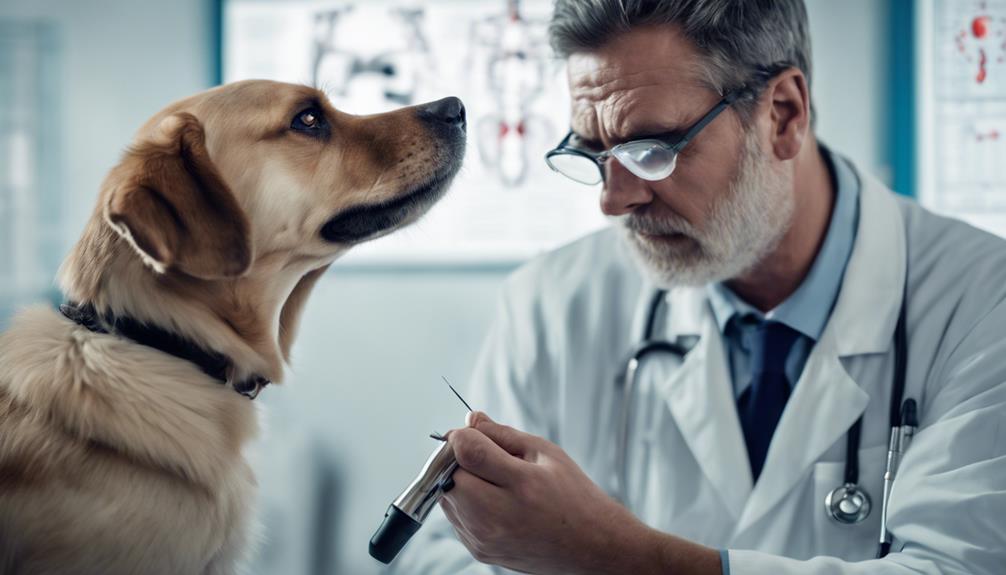
Red, swollen, or cloudy eyes in your dog can indicate a serious health issue. As a responsible pet owner, it's crucial to identify the clinical signs of uveitis, an inflammation of the uvea, the middle layer of the eye.
The symptoms of ocular inflammation vary depending on the type of uveitis. Anterior uveitis, which affects the front of the eye, may cause:
- Redness and swelling of the eye
- Discharge or tearing
- Squinting or avoiding light
- A cloudy appearance of the cornea
A thorough physical examination by a veterinarian is necessary to diagnose uveitis. During the exam, your vet will check for signs of ocular inflammation, such as a cloudy appearance of the fluid in the front of the eye, and measure intraocular pressure to rule out other conditions. Based on the examination findings, your vet will diagnose uveitis and develop a treatment plan to alleviate your dog's discomfort and prevent further complications.
A prompt and accurate diagnosis is essential for effective treatment. If you suspect your dog has uveitis, schedule a veterinary exam as soon as possible.
Diagnostic Tests and Imaging
After a physical examination, your veterinarian will likely recommend diagnostic tests and imaging to confirm the diagnosis of uveitis and rule out other underlying conditions.
To examine the eye, an ophthalmic examination is performed, which includes a cytologic evaluation of the conjunctiva, cornea, and aqueous humor. This evaluation helps identify inflammatory cells or microorganisms that may be contributing to the uveitis.
Complete blood counts and urinalysis are necessary to rule out systemic infections or underlying diseases that may be causing or contributing to the uveitis.
Imaging studies, such as ultrasound or radiography, may be needed to evaluate the eye for signs of inflammation or infection. Measuring intraocular pressure (IOP) helps determine if glaucoma is present, a common complication of uveitis.
These diagnostic tests and imaging studies help your veterinarian develop an effective treatment plan. By identifying the underlying cause of the uveitis and ruling out other conditions, your veterinarian can provide targeted therapy to alleviate symptoms and prevent long-term complications.
Treatment Options for Uveitis
Once uveitis is diagnosed, your veterinarian will create a customized treatment plan to address your dog's specific needs. The main goals of treatment are to reduce inflammation, alleviate pain, and prevent complications that can lead to vision loss or blindness.
Medications are typically used to reduce inflammation and pain in the eye. Your veterinarian may prescribe:
- Corticosteroids, such as prednisolone acetate or dexamethasone, to reduce inflammation
- Non-steroidal anti-inflammatory drugs to alleviate pain and reduce inflammation
- Antibiotics to address underlying infections
- Topical or oral medications, depending on the type of uveitis (anterior, posterior, or panuveitis)
In severe cases, surgery may be necessary to restore vision and alleviate pain. This can include vitrectomy or cataract surgery. Treatment may need to be continued for several weeks or months to fully resolve the inflammation and prevent recurrence.
Managing Chronic Uveitis Cases
Managing chronic uveitis requires a long-term commitment to controlling inflammation, preventing vision loss, and alleviating pain. Working closely with a veterinary ophthalmologist, you'll develop a tailored treatment plan addressing your dog's specific needs.
The primary goals of treatment are to control inflammation, prevent further vision loss, and manage pain or discomfort. Topical corticosteroids and non-steroidal anti-inflammatory drugs are commonly used to manage chronic uveitis. In some cases, systemic immunosuppressive medications may be necessary to control inflammation.
Regular follow-up examinations with a veterinary ophthalmologist are crucial for managing chronic uveitis. These examinations allow for early detection of changes in the disease's progression and prompt adjustments to the treatment plan. In some cases, surgical interventions like cataract removal or implantation of a cyclosporine implant may be necessary to manage chronic uveitis and preserve vision.
Preventing Complications and Blindness
To prevent complications and blindness, early detection of uveitis is crucial. Untreated uveitis can lead to permanent vision loss or blindness. By managing chronic inflammation, you can reduce the risk of cataracts, glaucoma, and retinal detachment. This helps preserve your dog's sight. Regular monitoring and prompt treatment are key to preventing these complications. Work closely with your veterinarian to develop a treatment plan that addresses your dog's specific needs.
Early Detection Matters
Early detection of uveitis is crucial for your dog's outcome. If left untreated, uveitis can lead to irreversible blindness in up to 50% of cases. Prompt treatment significantly improves the prognosis.
- Advertisement -
To detect uveitis early, follow these essential steps:
Regular veterinary check-ups are vital, as uveitis can cause rapid vision loss within days or weeks if left untreated.
Your dog may not show symptoms in the early stages, making regular eye examinations crucial for early detection.
Delayed or inadequate treatment can lead to chronic uveitis, increasing the risk of cataracts, glaucoma, and retinal detachment.
Fortunately, up to 80% of dogs respond well to prompt medical intervention, reducing the risk of long-term vision loss and blindness.
Managing Chronic Inflammation
Chronic inflammation can lead to serious complications, including blindness, if left untreated in dogs. To prevent this, it's crucial to identify and address underlying causes, such as systemic diseases, infections, and autoimmune disorders. A comprehensive treatment plan should include anti-inflammatory medications, immunosuppressive therapy, and pain management to control inflammation and alleviate discomfort.
Regular follow-up examinations with a veterinary ophthalmologist are essential to monitor treatment efficacy, detect potential complications, and adjust the treatment plan as needed. In severe cases, surgical intervention may be necessary to address complications such as cataracts, glaucoma, or retinal detachment.
To manage chronic inflammation effectively, it's important to:
- Identify and address underlying causes
- Implement a comprehensive treatment plan
- Monitor treatment efficacy and adjust as needed
- Consider surgical intervention in severe cases
Systemic Diseases and Uveitis Connection
Underlying systemic diseases can have a significant impact on your dog's uveitis. Identifying and managing these underlying conditions is crucial to effectively treating the uveitis.
Systemic diseases can trigger inflammation in the uveal tract, leading to uveitis. In some cases, they can cause immune-mediated inflammation, disrupting the blood-aqueous barrier and resulting in lens-induced uveitis.
Certain systemic diseases are more likely to contribute to uveitis, including:
- Infectious diseases like Lyme disease, ehrlichiosis, and leptospirosis
- Autoimmune disorders such as rheumatoid arthritis and lupus
- Cancer, particularly lymphoma
- Metabolic disorders like Cushing's disease and hyperthyroidism
Work closely with your veterinarian to identify any underlying systemic diseases that may be contributing to your dog's uveitis. By addressing the underlying cause, you can prevent further complications and improve your dog's overall health.
Topical and Systemic Medications
Topical medications are usually prescribed to treat uveitis in dogs. These medications, which include corticosteroids, non-steroidal anti-inflammatory drugs, and cycloplegics, help reduce inflammation and relieve pain. In more severe cases, your veterinarian may recommend systemic medications in addition to topical treatments. Systemic medications, such as oral corticosteroids, non-steroidal anti-inflammatory drugs, and immunosuppressive medications, are used to address underlying systemic diseases or severe uveitis. By combining these medications, you can alleviate your dog's discomfort and prevent further complications.
Topical Medications
Topical medications are crucial in managing uveitis in dogs, particularly in cases of anterior uveitis. As a pet owner, it's vital to understand the different types of topical medications available to treat this condition.
Topical corticosteroids, such as prednisolone acetate, reduce inflammation and alleviate symptoms in anterior uveitis. They are commonly used due to their effectiveness.
Topical non-steroidal anti-inflammatory drugs (NSAIDs), like diclofenac, offer an alternative to corticosteroids. They reduce inflammation and pain without the potential side effects of steroids.
In cases where the underlying cause of uveitis is an autoimmune disorder, topical cyclosporine may be prescribed. This immunosuppressive medication helps to treat uveitis in dogs.
It's essential to follow the veterinarian's instructions when using topical medications. Improper use can lead to adverse effects, such as corneal ulcers or cataracts.
Systemic Therapies
To effectively manage your dog's uveitis, consider combining topical treatments with systemic therapies. Systemic corticosteroids, like prednisone, can reduce inflammation and modulate the immune response, particularly in severe or posterior cases. Immunosuppressive medications, such as cyclosporine or azathioprine, may be necessary for autoimmune-mediated uveitis, requiring close immune system monitoring. Antibiotics, like doxycycline or ciprofloxacin, treat bacterial infections that contribute to uveitis, while antifungal medications, like fluconazole, address fungal infections. Pain management medications, such as carprofen or meloxicam, can reduce discomfort and pain. Your veterinarian may recommend a combination of these systemic therapies to manage your dog's uveitis and prevent complications.
Follow-Up Care and Prognosis
Follow-up care is crucial after initiating treatment for uveitis. Regular visits with a veterinarian or veterinary ophthalmologist will help monitor your dog's response to treatment and make any necessary adjustments. These visits determine if the treatment is working and if changes are needed to prevent complications.
The prognosis for dogs with uveitis depends on the underlying cause, severity of the condition, and promptness of treatment. Mild cases usually respond well to treatment, but severe cases can lead to permanent blindness. Chronic uveitis can cause complications, including cataracts, glaucoma, and retinal detachment, which significantly impact your dog's vision and quality of life.
It's essential to be aware of these potential complications and seek prompt veterinary attention if you notice any signs or symptoms recurring. By following the recommended treatment plan and working closely with your veterinarian, you can ensure the best possible outcome for your dog.
Frequently Asked Questions
What Is the Treatment Guideline for Uveitis?
Treating uveitis requires a collaborative effort with your veterinarian to create a customized plan. The primary goal is to reduce inflammation and pain using medications like corticosteroids, non-steroidal anti-inflammatory drugs, and antibiotics. Regular eye exams are crucial for monitoring the disease's progression and adjusting treatment as needed. With proper care, you can manage symptoms, control inflammation, and alleviate pain, ultimately preventing complications and preserving vision.
How Long Does It Take for Uveitis to Heal in Dogs?
The healing time for uveitis in dogs varies depending on the underlying cause and severity of the condition. Mild cases typically show improvement within 24-48 hours and full recovery within 5-7 days. More severe cases can take several weeks or even months to resolve.
Regular veterinary visits are crucial for managing symptoms, relieving pain, and adjusting medication to ensure your dog's comfort. A comprehensive treatment plan, including eye drops and medication, is necessary to support your dog's recovery.
It's essential to work closely with your veterinarian to monitor your dog's progress and make any necessary adjustments to their treatment plan. With proper care and attention, most dogs can recover from uveitis and regain their normal vision and comfort.
What Is the First Line Treatment for Uveitis?
The first line treatment for uveitis typically involves reducing eye inflammation and pain. Anti-inflammatory medications, often in the form of topical applications, are used to alleviate discomfort. A thorough ocular examination by a veterinarian is necessary to determine the best course of treatment. This examination helps identify the underlying cause of uveitis and assess the impact on your dog's immune system. Your veterinarian will work with you to manage pain and inflammation while monitoring for potential medication side effects. Be sure to discuss any concerns or questions you have about these side effects with your veterinarian.
What Is the Most Effective Treatment for Uveitis?
The most effective treatment for uveitis typically involves a combination of medications. Topical corticosteroids, oral prednisone, and anti-inflammatory medications work together to reduce inflammation and relieve pain. In cases where uveitis is caused by an underlying autoimmune issue, immune suppressants may be necessary.
Pain management is also crucial. Topical atropine or cycloplegic agents can help. If secondary infections occur, anti-inflammatory drops and systemic antibiotics may be prescribed.
The key to successful treatment is addressing the underlying cause and managing symptoms. This approach can improve your dog's chances of recovery.
In summary
Timely treatment and regular monitoring are crucial in managing uveitis in dogs and preventing blindness. The right combination of medication and care can preserve your dog's quality of life. However, the risk of relapse is always present, making ongoing veterinary check-ups essential.
To effectively manage uveitis, it's important to understand the condition and its treatment options. Your veterinarian will work with you to develop a personalized treatment plan, which may include medication, surgery, or a combination of both. Regular follow-up appointments will help monitor your dog's progress and catch any potential relapses early.
Remember, staying proactive and committed to your dog's treatment plan is key to maintaining their quality of life and preventing vision loss.
- Advertisement -