
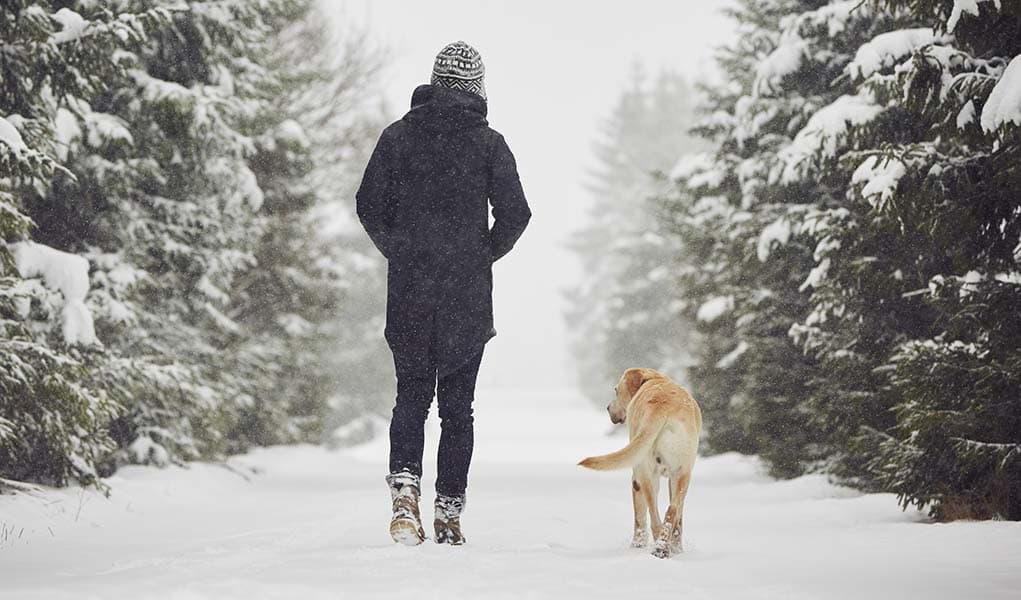
Top 5 Winter Hazards for Dogs: Protect Your Pet from Cold Winter Dangers
Keep Your Dog Safe and Healthy During the Winter
- Advertisement -
Slippery Road
Dog Source: Depositphotos
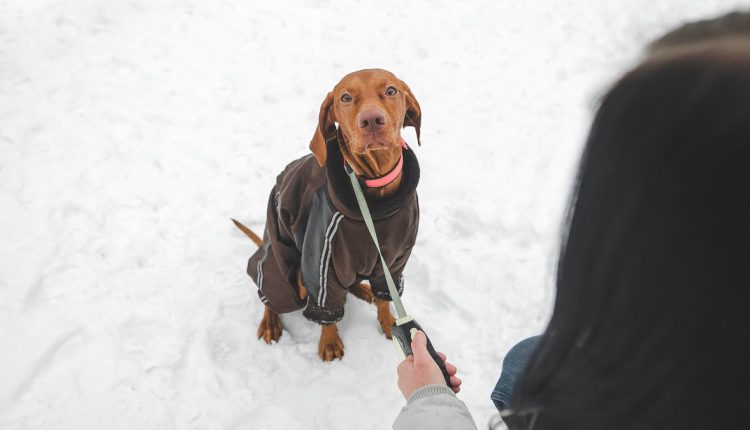
Slippery roads can pose significant winter dangers not just for people but also for our furry friends. For more tips on keeping your dog safe during the winter months, check out these essential cold-weather protection tips. Only a person should skate on ice, and even then, only with proper skates. In other situations, attempting to walk on ice can lead to serious injury. Dogs, too, are at risk of winter dangers on icy surfaces; a bad landing or loss of coordination can result in injuries such as dislocations, bruises, sprains, and even fractures.
When there’s ice on the street, it’s advisable to keep your dog on a short leash to prevent accidents, or better yet, try to find a safer, snow-covered path. Moreover, it’s essential to avoid walking your dog on frozen ponds, as these areas can be especially hazardous. Protecting your dog from winter dangers like these is crucial for their safety and well-being, especially for breeds like Greyhounds or Whippets that are more prone to injury. For a broader overview of winter hazards and how to protect your pet, consult this guide from the University of Wisconsin-Madison.”
Chemical Agents
Dog Source: Depositphotos
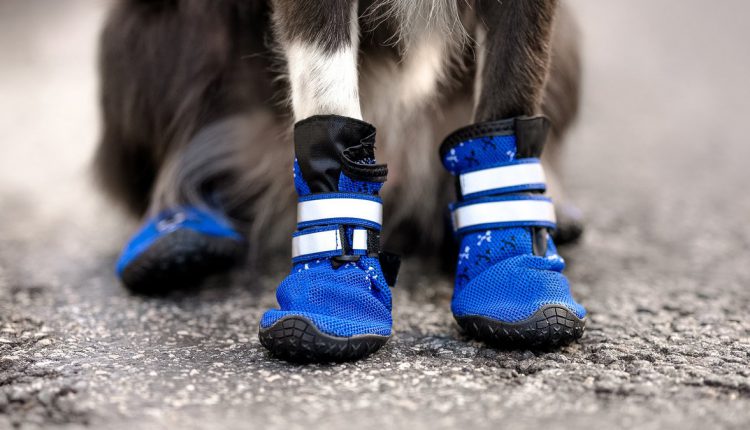
Winter dangers pose a significant risk to the delicate skin on the paws of dogs throughout the season. Chemical agents, prevalent during winter, can severely irritate the pads, leaving burns and cracks, and in some cases, provoking dermatitis. Learn more about these risks and other winter hazards in this Tufts University guide on pet winter safety.
If your dog suddenly stretches or tightens its paw(s) after crossing a road and refuses to continue, it has likely suffered a burn from these winter dangers. In such instances, do not allow your pet to lick its paws, as this could exacerbate the issue.
When a dog licks a paw burned by a reagent or swallows salt crystals mixed with snow, the salt can enter the gastrointestinal tract. Without sufficient time for neutralization, this substance will start to corrode the intestinal mucosa, potentially causing internal bleeding and rapid dehydration. If your dog manages to lick or ingest anything harmful, immediate contact with your veterinarian is crucial. To learn more about potential hazards, including harmful foods, read this guide on identifying dangerous substances.
To shield your dog’s paws from these winter dangers, consider purchasing protective boots. If your pet refuses to wear them, apply wax or propolis ointment to the paws before each walk. After walking, make sure to wash off any remaining agents and contaminants from your dog’s paws to prevent further harm.
- Advertisement -
Hard Frost
- Advertisement -
Dog Source: Depositphotos
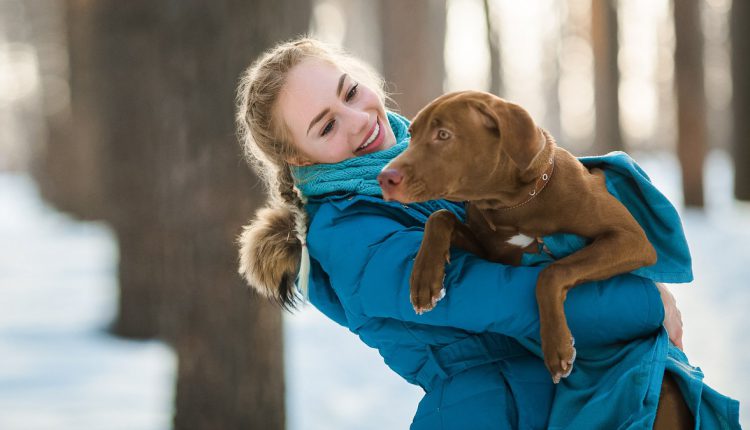
Winter dangers pose serious risks not just for us, but for our dogs as well. One of the most concerning winter dangers is the threat of hypothermia. If your dog starts trembling and tucks its paws close to its body while outside, it’s a clear indication that they are feeling the cold. Prolonged or frequent exposure to cold temperatures can lead to a weakened immune system, making your dog more susceptible to illnesses.
If you observe any signs that your dog is cold, it’s important to return home immediately. During winter, always ensure your dog is dressed warmly, particularly if you have a small breed or a short-haired dog. Protecting your pet from these winter dangers is essential to keeping them safe and healthy throughout the colder months. For more expert advice on keeping your pet safe during cold weather, refer to this comprehensive guide from the AVMA.
New Year’s Fireworks
Dog Source: Depositphotos
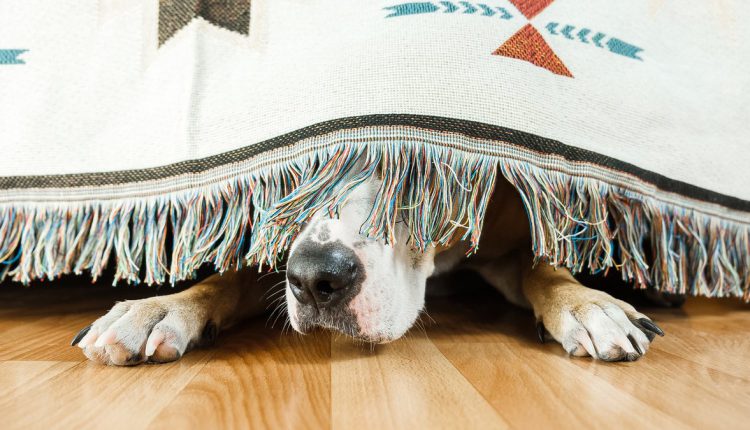
Winter dangers can pose significant risks to dogs, especially during New Year’s fireworks. The fear of loud sounds during these festivities is often due to the dog’s inability to recognize or understand the source of the noise, making it difficult for them to associate fireworks with the holiday. For a deeper understanding of this issue, explore the causes of canine anxiety. Each dog may respond differently to these winter dangers, so it’s essential to tailor your approach to managing their fear.
During the fireworks period, it’s crucial to walk your dog on a leash to prevent them from running away in panic. At home, ensure your dog has a safe shelter where they can retreat if they feel threatened. Additionally, playing special relaxing music for dogs can help ease their anxiety.
While sedatives are an option, it’s vital to consult a veterinarian before administering any medication to address these winter dangers. This personalized care is particularly important for certain breeds like Golden Retrievers or German Shepherds, who might be more prone to anxiety during fireworks.
Reduced Immunity During Winter
Dog Source: Depositphotos
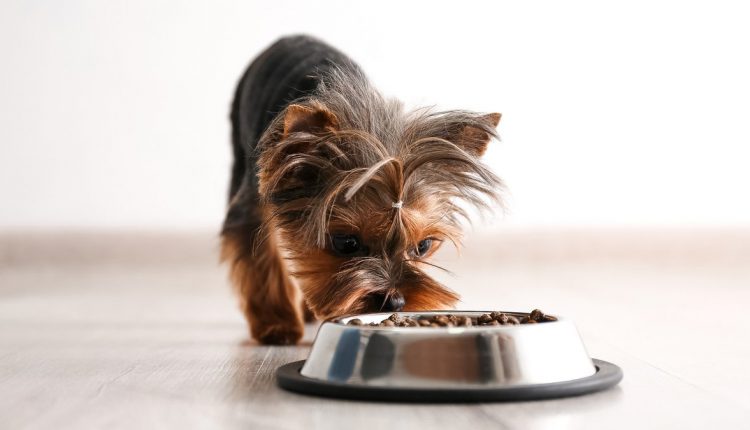
Just like in humans, winter dangers such as cold weather and reduced sunlight exposure can weaken a dog’s immunity. To ensure your dog stays healthy during these challenging months, it’s crucial to maintain its overall fitness. After consulting with a veterinarian, consider incorporating essential vitamins like A, E, PP, B6, D, and C into your dog’s diet to combat the effects of winter dangers.
During the winter, it’s equally important to pay close attention to your dog’s nutrition. This is particularly vital for small and dwarf breeds. Opt for super-premium food that is rich in the necessary vitamins and minerals to fortify their immune system against winter dangers.
Purina ONE® foods offer a variety of options tailored to meet the specific needs of your dog, regardless of breed, size, or age. These nutrient-rich foods provide the strength and health support your pet needs to thrive during the winter. You can select the appropriate food for your dog based on its unique requirements, ensuring it is well protected from winter dangers. You can choose the food according to your dog’s needs here.
- Advertisement -