
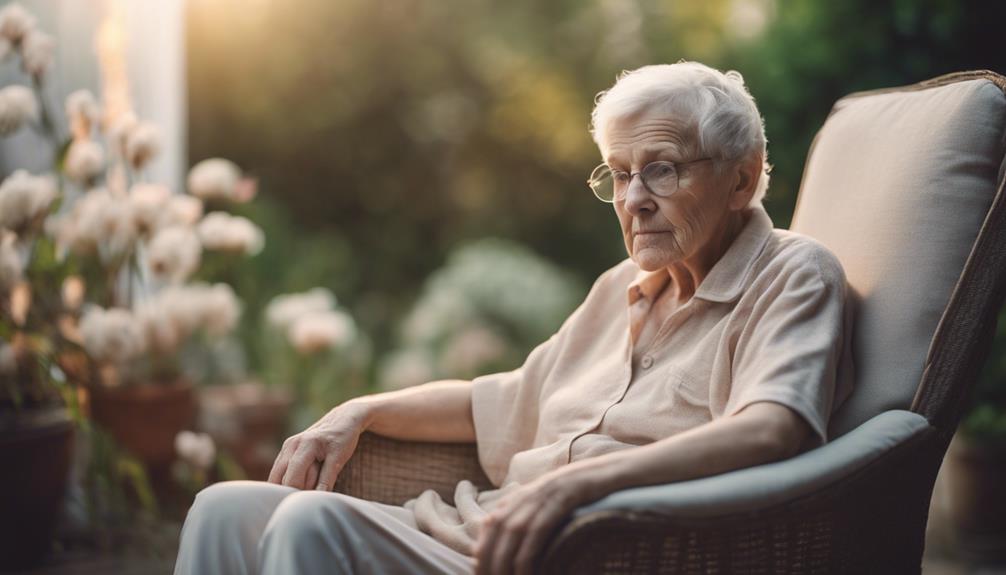
Osteoarthritis: Managing Anxiety in Seniors
- Advertisement -
As you navigate the challenges of osteoarthritis, you're likely no stranger to the debilitating chronic pain, physical limitations, and anxiety that can come with this condition, affecting every aspect of your life. Regular exercise, even low-impact activities like yoga or swimming, can help reduce anxiety, while breaking down daily tasks into manageable chunks can also help. Additionally, combining non-medication treatment options like occupational therapy, tai chi, and support groups can provide an all-encompassing approach to managing anxiety. By exploring these options and prioritizing your mental wellness, you can take the first step towards regaining control over your osteoarthritis and improving your overall quality of life – and there's more to discover about customizing a plan that works for you.
Key Takeaways
- Regular exercise, such as yoga or swimming, can help reduce anxiety in seniors with osteoarthritis by promoting relaxation and flexibility.
- Breaking down daily tasks into manageable chunks can help reduce anxiety and feelings of overwhelm in seniors with osteoarthritis.
- Combining non-medication treatment options, such as occupational therapy and support groups, can provide a comprehensive approach to managing anxiety.
- Prioritizing mental wellness through practices like meditation, mindfulness, and social connection can help reduce stress and anxiety in seniors with osteoarthritis.
- A healthcare provider can help develop a personalized plan that addresses osteoarthritis and anxiety, improving overall quality of life for seniors.
Understanding Osteoarthritis in Seniors

Osteoarthritis is a common condition that affects millions of seniors worldwide. It's characterized by the degeneration of joint cartilage, bone growth, and uneven joint space narrowing. As people age, the incidence and prevalence of osteoarthritis increase.
Osteoarthritis causes chronic pain, physical limitations, and reduced activity in seniors. These symptoms can lead to depression, anxiety, and a lower quality of life. Osteoarthritis is often linked to osteoporosis, a condition that affects bone density, which can worsen physical health issues.
Regular exercise is a crucial way to manage osteoarthritis. It improves joint mobility and strengthens surrounding muscles. Understanding osteoarthritis helps you support seniors in managing their chronic pain and improving their overall well-being.
In Korea, the rapid growth of the elderly population has led to an increase in chronic geriatric diseases like osteoarthritis. By recognizing the signs and symptoms of osteoarthritis, you can provide seniors with the necessary support to cope with this condition.
Managing Anxiety Through Lifestyle Changes
Managing Anxiety in Seniors with Osteoarthritis through Lifestyle Changes
As a caregiver, you can play a crucial role in helping your loved one manage anxiety related to osteoarthritis. Lifestyle changes can make a significant difference in their quality of life.
Regular exercise is a proven way to reduce anxiety in seniors with osteoarthritis. It can help alleviate pain, improve mood, and enhance overall quality of life. Encourage your loved one to engage in low-impact activities like yoga, swimming, or cycling, which can be modified to accommodate their physical limitations. Aim for at least 30 minutes of moderate-intensity exercise per session, three to four times a week.
Breaking down daily tasks into manageable chunks can also help reduce anxiety. Assist your loved one in doing so, making it easier for them to maintain a sense of control and independence. This can include activities like cooking, gardening, or simply taking a walk around the block.
Collaborate with your loved one's healthcare provider to develop a comprehensive plan that addresses their osteoarthritis and anxiety. By incorporating lifestyle changes into their treatment plan, you can help them better manage their anxiety and improve their overall quality of life.
Non-Medication Treatment Options

Non-medication treatment options can be highly effective in reducing anxiety symptoms and improving overall well-being in seniors with osteoarthritis. These alternatives can be incorporated into daily routines to achieve significant relief from anxiety and depression.
Occupational therapy helps develop coping strategies and adapts daily activities to accommodate physical limitations. Tai chi, a low-impact exercise, reduces stress and anxiety by promoting relaxation and flexibility. Engaging in enjoyable activities distracts from anxious thoughts and provides a sense of purpose. Support groups connect individuals with similar experiences, offering emotional support and a sense of community.
A comprehensive approach often involves a combination of these options, tailored to individual needs and preferences. By adopting a non-medication treatment plan, seniors can experience short- and long-term benefits, including reduced anxiety symptoms and improved overall quality of life.
Medication and Alternative Therapies
When managing osteoarthritis-related anxiety in seniors, medication and alternative therapies can provide relief. Consider the following options with your healthcare provider:
- Advertisement -
- Oral medications: Prescription-only medications like tramadol or duloxetine may be recommended for severe OA or with other medical conditions. However, take them at the lowest dose and for the shortest time possible to minimize side effects.
- Topical creams or gels: These can be rubbed into the skin around joints for temporary pain relief, offering an alternative to oral medications for some patients.
- Injections: Injections can insert medication into the space around the joint, providing a more targeted approach to pain management.
- Alternative therapies: While there is limited evidence for glucosamine supplements, vitamins, and minerals for OA pain relief, you may still want to explore these options with your healthcare provider.
Combining medications carries risk and should be discussed with a healthcare provider to ensure safe and effective treatment. Be cautious of CBD products, as there is little scientific evidence that they are effective or safe for OA pain relief. By working closely with your healthcare provider, you can find the right combination of medications and alternative therapies to manage your OA symptoms, depression, and anxiety, ultimately improving your overall quality of life.
Prioritizing Mental Wellness

Living with osteoarthritis can negatively impact your mental health. It's crucial to prioritize your mental wellness to manage anxiety and depression. Chronic pain and arthritis can affect your relationships, work, and daily life, leading to feelings of frustration and anxiety.
To improve your mental wellness, consider the following strategies:
- Volunteer work can boost your self-esteem and overall well-being.
- Regular physical activity can provide a sense of accomplishment and empowerment.
- Practicing meditation and mindfulness can reduce stress and anxiety.
- Maintaining a healthy and balanced lifestyle, including a balanced diet, regular sleep, and regular exercise, is essential for mental wellness.
Connecting with others is also important. Joining a local arthritis support group can help you feel less isolated and more connected. If needed, consider seeking professional help from a mental health expert for additional support and guidance.
Frequently Asked Questions
How to Treat Anxiety in Old Age?
When treating anxiety in older adults, consider age-related factors that contribute to fear responses, such as social isolation and cognitive decline. Be aware that some medications can worsen anxiety, so it's essential to monitor side effects. Teach relaxation techniques like deep breathing to help manage symptoms. Regular exercise is also crucial for improving mental health. As part of geriatric care, prioritize addressing sleep disturbances and encourage open communication to develop effective treatment strategies. By addressing these factors, you can help older adults better cope with anxiety.
What Are Coping Strategies for Osteoarthritis?
Coping with osteoarthritis requires a combination of physical and emotional strategies. Regular exercise, such as yoga or tai chi, can help manage pain and improve mood. Mindful breathing and relaxation techniques can also calm the mind and reduce anxiety. Having a strong social support network is crucial, as it can help you stay motivated and accountable. Additionally, adopting healthy eating and sleep habits can improve overall well-being. By incorporating these habits into your daily routine, you can better manage your osteoarthritis and reduce anxiety.
Can Osteoarthritis Cause Anxiety?
Osteoarthritis can cause anxiety. Chronic pain triggers fear responses, which can lead to anxiety. As people age, age-related factors and chronic stress can worsen mental health issues. Additionally, physical limitations, social isolation, and emotional turmoil can contribute to anxiety. Sleep disturbances and medication side effects can also make anxiety symptoms worse.
What Causes Sudden Anxiety in the Elderly?
Sudden anxiety in the elderly can be caused by several factors. Social isolation, fear avoidance, and age denial are common contributors. Midlife crises, geriatric fears, and late-life stress can also trigger anxiety. Additionally, caregiver burden, financial difficulties, retirement blues, and health decline can contribute to anxiety in seniors. It's essential to address these factors thoroughly to effectively manage anxiety in this age group.
In summary
Managing anxiety is a crucial part of living with osteoarthritis. To achieve this, you can make lifestyle changes, try non-medication treatments, and consider medication options.
Start by identifying what triggers your anxiety. Then, develop a plan to tackle these triggers. For instance, if you feel anxious about pain, create a pain management plan with your doctor. If you're worried about losing independence, explore assistive devices or home modifications that can help.
In addition to these steps, prioritize your mental wellness. Engage in activities that bring you joy and help you relax, such as reading, taking a walk, or practicing deep breathing exercises. Consider seeking support from friends, family, or a therapist.
Remember, managing anxiety takes time and effort. Be patient and persistent, and don't hesitate to try new approaches until you find what works best for you.
- Advertisement -