
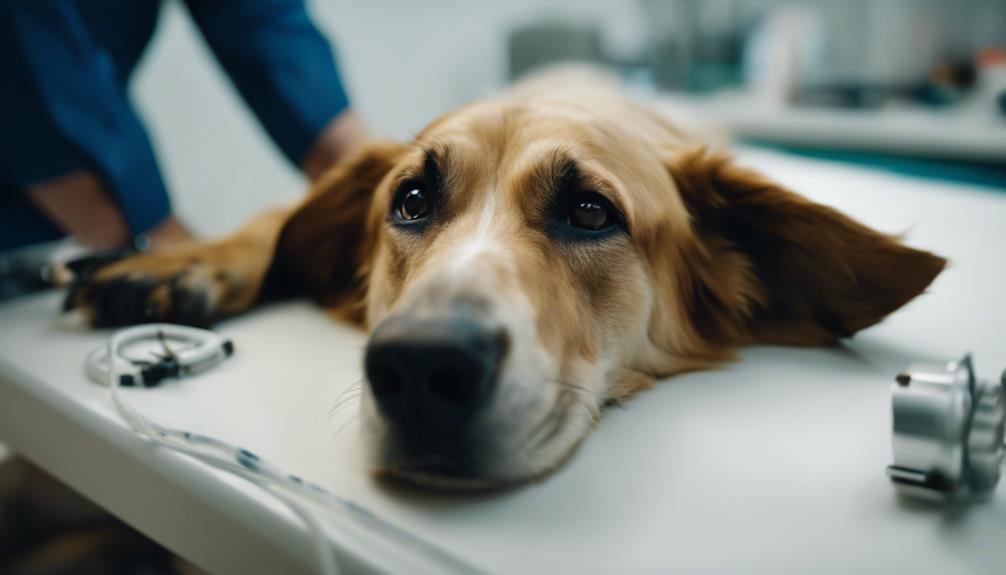
IVDD and Behavioral Disturbances in Dogs
- Advertisement -
When your dog exhibits changes in behavior, such as increased anxiety or fear responses, decreased interest in activities, or changes in appetite or sleep patterns, it may be a sign of Intervertebral Disc Disease (IVDD), a common condition that causes back pain and even paralysis in dogs. IVDD occurs when the discs that cushion the vertebrae become damaged or herniated, putting pressure on the spinal cord. As the disease progresses, dogs may exhibit behavioral disturbances as they struggle to cope with pain and discomfort. You'll likely want to learn more about the causes, symptoms, and treatment options to help your dog manage IVDD.
Key Takeaways
- IVDD can cause behavioral disturbances in dogs, including changes in appetite or sleep patterns, increased anxiety, and decreased interest in activities.
- As the disease progresses, dogs may exhibit changes in behavior as they struggle to cope with pain and discomfort.
- Behavioral changes can be an indication of IVDD, especially in breeds prone to the condition, such as Dachshunds and Poodles.
- Managing IVDD requires a comprehensive approach, including medical treatment, physical therapy, and lifestyle changes to reduce stress on the spine.
- Identifying and addressing behavioral disturbances early can improve the dog's quality of life and response to treatment.
Paralyzing Back Pain in Dogs
Your dog's spine is made up of vertebrae, discs, and nerves that work together to support their movement and agility. When a problem occurs, it can lead to severe back pain and even paralysis.
One common condition that causes back pain is Intervertebral Disc Disease (IVDD). This happens when the discs that cushion the vertebrae become damaged or herniated, putting pressure on the spinal cord.
The pressure on the spinal cord can cause a range of symptoms, from mild back pain to paralysis, depending on the severity of the compression. In severe cases, it can lead to neurologic deficits, pain, and even paralysis, making it difficult for your dog to move or feel sensation in their legs.
Fortunately, with proper treatment, many dogs can find relief from pain and regain their mobility. In some cases, surgery may be necessary to relieve the compression and remove the damaged disc material. Your veterinarian will help determine the best course of action for your dog's specific condition.
Understanding IVDD and its symptoms can help you get your dog the care they need to live a happy and healthy life.
IVDD: The Most Common Source
Certain breeds are more likely to develop IVDD due to their physical characteristics. Breeds like Dachshunds, Poodles, and Beagles are prone to IVDD. Their long, narrow bodies put extra stress on their spines, making them more susceptible to disc problems. Understanding why these breeds are more at risk can help you take preventive measures and detect IVDD early on.
Causes of IVDD
Intervertebral Disc Disease (IVDD) in dogs is often caused by the gradual degeneration of intervertebral discs, leading to herniation and pressure on the spinal cord. This degeneration can cause back pain, particularly in older dogs and breeds prone to IVDD.
The thoracolumbar region of the spine is most vulnerable, with approximately 65% of IVDD cases occurring here. The intervertebral discs consist of a ring of cartilage with a gel-like core called the nucleus pulposus. As dogs age, the nucleus pulposus can become hardened and herniated, leading to IVDD. Additionally, the discs may calcify with age, reducing a dog's flexibility and increasing their susceptibility to IVDD.
IVDD can cause mild neurological signs or acute paralysis, depending on which discs are affected. It is essential to recognize the signs of IVDD and provide appropriate care to alleviate back problems in dogs.
IVDD in Breeds
Dachshunds, Poodles, and similar breeds with long, narrow bodies are more likely to develop Intervertebral Disc Disease (IVDD) due to their anatomy. Their spinal cords are more prone to compression and damage, leading to IVDD.
Certain breeds are more prone to IVDD than others. These breeds include:
- German Shepherds: Their athletic build makes them susceptible to IVDD, particularly in their neck and back.
- Basset Hounds: Their short legs and long bodies increase their risk of developing IVDD.
- French Bulldogs: Their unique physiology makes them more prone to IVDD, especially in their neck and back.
- Shih Tzus: Their long, narrow bodies and compact spines make them more susceptible to IVDD.
- Large breeds: German Shepherds and Rottweilers are more likely to experience IVDD due to their size and weight.
Knowing which breeds are more prone to IVDD helps you take preventative measures and provide necessary care for your dog.
Understanding Intervertebral Disc Disease
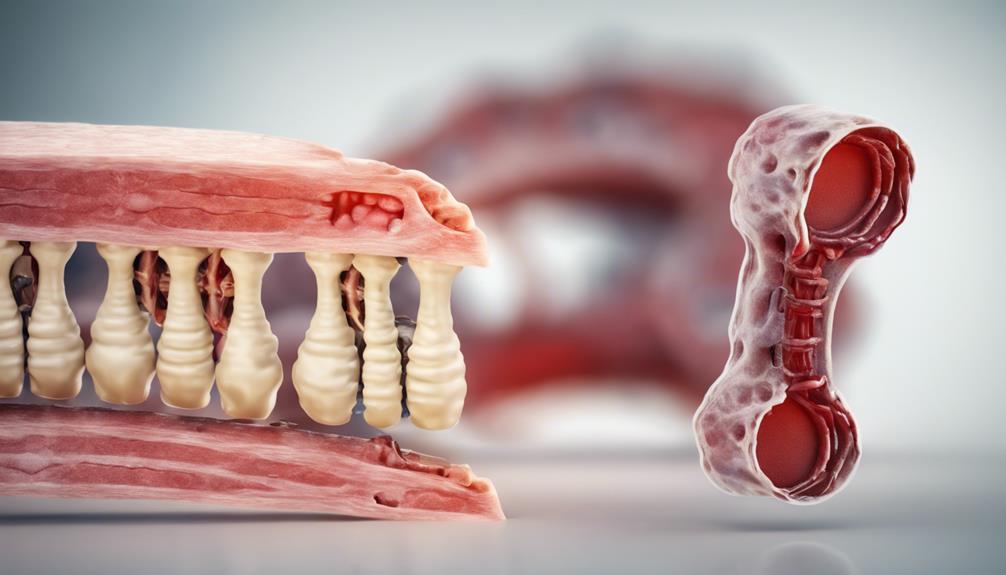
Understanding IVDD requires knowledge of its causes and diagnosis. Compression or degeneration of intervertebral discs leads to IVDD. To manage your dog's condition, you need to recognize the signs. These include back pain, stiffness, and difficulty moving.
IVDD occurs when the spinal discs bulge or herniate, putting pressure on the spinal cord and nerves. This pressure causes the symptoms. To diagnose IVDD, your veterinarian will perform a physical exam, take X-rays, and possibly conduct other tests like an MRI or CT scan.
Causes of IVDD
Intervertebral discs, which cushion the bones in your dog's spinal cord, can become compressed, leading to intervertebral disc disease (IVDD) and resulting in nerve and spinal pain.
The causes of IVDD are varied:
- Heredity is a factor, particularly in small breed dogs, especially chondrodystrophic breeds.
- Over time, discs can break down due to degeneration, causing compression.
- Sudden force, such as a poorly executed jump, can damage discs.
- Calcification of the discs can contribute to IVDD.
- As dogs age, disc degeneration increases the risk of IVDD.
Understanding these causes is crucial for identifying risk factors and taking steps to protect your dog's spinal health.
IVDD Diagnosis Process
Diagnosing IVDD involves a thorough process to determine the extent of the disease and develop an effective treatment plan.
Your veterinarian will start with a physical exam, including a neurological exam to assess your dog's reflexes and sensation. This helps identify signs of spinal cord compression or vertebral column damage.
Mild cases may only require X-rays, but more severe cases need specialized imaging techniques like MRI or CT scans. These advanced tools help distinguish between different forms of IVDD, such as compressive forms like Hansen type 1 and noncompressive forms like fibrocartilaginous emboli.
A correct diagnosis is crucial for effective treatment and management of IVDD. If your dog is experiencing more than mild pain, your veterinarian may recommend a referral to a veterinary neurologist.
Behavioral Disturbances in Dogs
Behavioral disturbances are a common consequence of Intervertebral Disc Disease (IVDD) in dogs. As the disease progresses, your dog may exhibit changes in behavior as they struggle to cope with pain and discomfort.
Some common behavioral changes in dogs with IVDD include:
- Changes in appetite or sleep patterns
- Increased anxiety or fear responses
- Decreased interest in activities they once enjoyed
- Increased aggression or irritability
- Changes in social behavior, such as avoiding interactions with family members or other pets
IVDD affects the spinal cord, leading to symptoms that impact your dog's ability to move and feel pain. As the disease worsens, your dog may develop a wobbly gait or experience sharp pain when moving. In severe cases, IVDD can lead to complete paralysis.
The intervertebral discs, which act as shock absorbers between the vertebrae, can become damaged, putting pressure on the spinal cord and causing symptoms. Understanding the connection between IVDD and behavioral disturbances is crucial for developing an effective treatment plan with your veterinarian.
Recognizing IVDD Symptoms
- Advertisement -
Recognizing IVDD Symptoms
If your dog is experiencing back pain, weakness, paralysis, lack of coordination, or changes in bowel or bladder function, they may have IVDD (intervertebral disc disease). IVDD occurs when a slipped disc or disc protrusion compresses the spinal cord, causing pain and discomfort.
IVDD symptoms vary in severity, but if left untreated, can lead to paralysis or death. Monitor your dog's ability to walk if you suspect back pain, as IVDD can cause weakness or paralysis in the legs. Changes in bowel or bladder function can also indicate IVDD, as the compressed spinal cord affects nerve function.
Work closely with your veterinarian to determine the best treatment for your dog. Pain medications can alleviate discomfort, but surgery may be necessary in severe cases. Early recognition of IVDD symptoms can improve your dog's quality of life and prevent further spinal cord damage.
Diagnosing and Treating IVDD
Diagnosing IVDD requires close collaboration with your veterinarian to determine the best course of action for your dog. A timely and accurate diagnosis is crucial in guiding the treatment plan and improving your dog's quality of life.
Diagnosis typically involves a combination of physical examination, neurological examination, and imaging tests such as radiographs, MRI, CT scan, or myelography to confirm the presence and location of the herniated disc.
Treatment options for IVDD include:
- Medical management with steroids, anti-inflammatories, and pain medication to manage symptoms.
- Physical therapy or acupuncture to help regain function and manage pain.
- Surgery, often necessary in severe cases, aims to decompress the spinal cord by creating space and/or removing hardened areas, providing relief from symptoms.
- Common surgical procedures include hemilaminectomy, which targets disc protrusions in the chest and lower back area of the spine.
- Surgical correction has a success rate of 83% to 93% in dogs with deep pain in one limb and unable to walk.
The primary goal of treatment is to manage the spinal cord injury, relieve symptoms, and improve your dog's quality of life. Your veterinarian will work with you to develop a tailored treatment plan that addresses your dog's specific needs and condition.
Managing IVDD and Prevention

Managing IVDD requires a proactive approach. As a dog owner, you can take steps to prevent IVDD and manage the condition if it occurs. Maintaining a healthy weight is crucial, as excess weight puts additional stress on the spine and intervertebral discs.
Regular exercise can also help prevent IVDD. However, avoid strenuous activities like jumping or climbing, especially if you have a high-risk breed. Providing a comfortable and supportive bed can reduce pressure on the spine and discs, reducing the risk of IVDD.
A balanced diet is essential, and avoiding overfeeding can help maintain a healthy weight. Regular veterinary check-ups can help identify early signs of IVDD, allowing for prompt treatment and improved outcomes.
If your dog is diagnosed with IVDD, your veterinarian may recommend crate rest or strict confinement to allow the spinal cord to heal. Medical management, including pain relief and muscle relaxants, can alleviate symptoms and promote recovery.
Living With Ivdd: Recovery and Care
Recovering from IVDD surgery requires a significant amount of time, patience, and careful management. The recovery process can take several weeks to several months. To ensure a smooth and safe recovery, you must follow a customized rehabilitation plan provided by your veterinarian.
During the recovery period, it's crucial to prevent your dog from engaging in high-impact activities, such as jumping or climbing stairs. This will minimize the risk of re-injury or further damage to the spine. Providing a comfortable and supportive bed, like an orthopedic dog bed, can help reduce pain and discomfort.
If your dog becomes paralyzed due to IVDD, you may need to manually express their bladder. Your veterinarian will guide you on how to perform this procedure safely and hygienically.
Ongoing care and management of IVDD typically involve regular check-ups with a veterinarian, physical therapy, and medication to manage pain and inflammation. By following these guidelines, you can help your dog recover safely and effectively.
Frequently Asked Questions
How Do Dogs With IVDD Act?
Dogs with IVDD often exhibit specific behaviors indicating their discomfort. Fearful behaviors may include anxiety displays or unusual hiding. Pain manifestations can include altered gait, restless sleeping, whining, or whimpering. Additionally, dogs may display depression signs, such as social withdrawal or appetite changes. It's essential to recognize these signs, as they can be subtle, to understand what your dog is experiencing and provide necessary care and support.
What Are the Symptoms of IVDD Flare Up?
Recognizing the symptoms of an IVDD flare-up is crucial for your dog's health. Sudden paralysis, acute inflammation, or spinal shock can occur, causing severe stiffness, muscle spasms, and numbness. Other signs include weakness, incontinence issues, and emergency situations. If you notice any of these symptoms, seek immediate veterinary attention.
Common symptoms of an IVDD flare-up include:
- Sudden paralysis or weakness
- Acute inflammation or swelling
- Spinal shock
- Severe stiffness or muscle spasms
- Numbness or tingling sensations
- Incontinence issues
- Emergency situations requiring immediate attention
Prompt veterinary care is essential to ensure your dog receives the necessary treatment and support.
What Is the Final Stage of Ivdd?
The final stage of IVDD is characterized by chronic pain causing significant damage to your dog's spinal cord. At this point, the focus shifts from treating the condition to managing pain and maintaining your dog's quality of life through veterinary care. IVDD is a progressive disease, and you can expect to see a loss of mobility.
In the end stage, your priority will be to ensure your dog's comfort, which may involve making difficult decisions about their care. It's essential to work closely with your veterinarian to develop a care plan that addresses your dog's specific needs and provides the best possible quality of life.
What Does Stage 4 IVDD Look Like?
Stage 4 IVDD is the most severe stage of intervertebral disc disease. At this stage, dogs experience extreme pain, paralysis, and numbness. Their legs may become completely immobile, and they may lose all sensation and reflexes in their legs. This can lead to permanent damage and spinal shock, causing severe neurological deficits. It's essential to provide comfort and care to your dog during this time, as every moment counts.
The symptoms of Stage 4 IVDD can be severe and debilitating. Your dog may experience:
- Complete paralysis of one or more legs
- Loss of sensation and reflexes in their legs
- Severe pain and discomfort
- Decreased mobility and inability to walk or stand
- Neurological deficits, such as loss of bladder or bowel control
It's crucial to work with your veterinarian to manage your dog's pain and discomfort during this time. Providing a comfortable and safe environment can greatly improve their quality of life. With proper care and attention, you can help your dog navigate this challenging condition.
In summary
IVDD, or Intervertebral Disc Disease, is a common condition in dogs that can cause back pain, paralysis, and other symptoms. Early detection and proper care are crucial in managing the condition and improving your dog's quality of life.
The symptoms of IVDD can vary depending on the severity of the condition. Mild cases may cause mild back pain, while severe cases can lead to paralysis or even loss of bladder and bowel control. If you suspect your dog has IVDD, consult with your veterinarian for an accurate diagnosis and treatment plan.
In some cases, surgery may be necessary to relieve pressure on the spinal cord. Post-operative rehabilitation is essential to help your dog recover and regain mobility. With proper care and rehabilitation, many dogs can make a full recovery and return to their normal activities.
Understanding IVDD and its symptoms is key to providing your dog with the best possible care. By recognizing the signs of IVDD and seeking veterinary attention promptly, you can help your dog receive the treatment they need to thrive.
- Advertisement -