
Legg-Calvé-Perthes Disease and Anxiety in Dogs
- Advertisement -
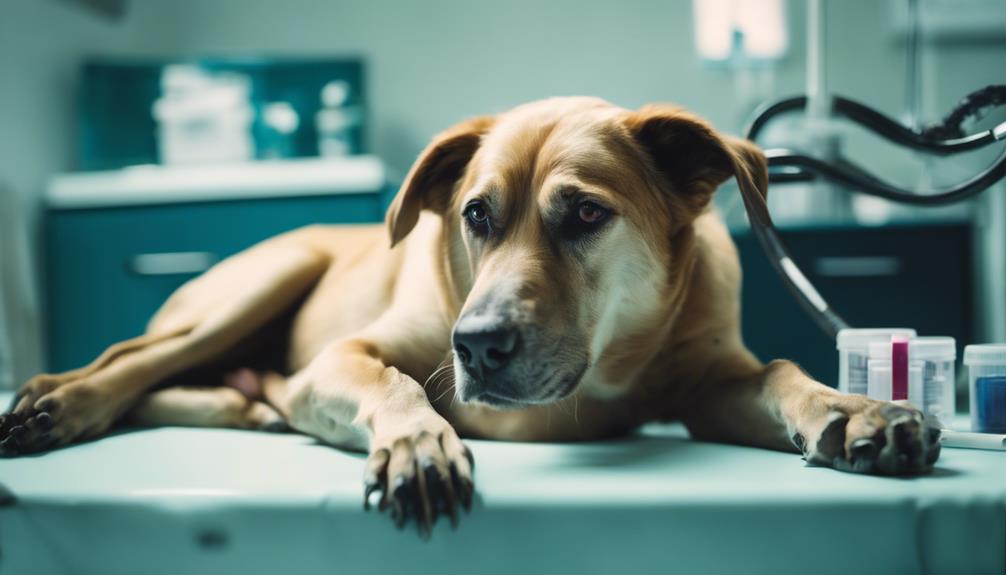
When your dog is diagnosed with Legg-Calvés-Perthes disease, a common orthopedic condition affecting young dogs, it's essential to recognize that the resulting chronic pain can lead to anxiety, which can be just as debilitating as the physical symptoms. Chronic pain and discomfort can cause fear and avoidance behaviors, such as hiding or restlessness, and changes in appetite patterns, indicating underlying anxiety and pain. Effective pain management, regular veterinary check-ups, and a supportive environment can improve your dog's quality of life. Understanding the complex relationship between Legg-Calvés-Perthes disease, anxiety, and pain will help you provide better care and support for your dog.
Key Takeaways
- Dogs with Legg-Calvés-Perthes disease often suffer from anxiety, which can be as debilitating as the physical symptoms of the condition.
- Pain-related anxiety in LCP dogs can manifest as panting, pacing, or restlessness, even without obvious lameness or limping.
- Chronic pain in LCP dogs can lead to increased anxiety and stress, causing changes in behavior, appetite, and social interactions.
- Effective pain management and a multimodal approach are necessary to address anxiety in LCP dogs, including behavioral modification and environmental enrichment.
- Recognizing changes in behavior, such as fear, avoidance, and withdrawal, is crucial for managing anxiety and pain in dogs with Legg-Calvés-Perthes disease.
Understanding Legg-Calvée-Perthes Disease
Legg-Calvé-Perthes disease is a common orthopedic condition that affects young dogs, typically under one year old. It occurs when the blood supply to the femoral head is disrupted, causing the bone to die and leading to permanent joint damage.
The condition is characterized by a flattened femur, thickening of the cartilage around the joint, and eventually, osteoarthritis. This can cause lameness, joint pain, and stiffness. You may notice your dog limping or favoring one leg over the other, especially in small breed dogs that are more prone to this condition.
In severe cases, surgery may be necessary to alleviate pain and improve mobility. Femoral Head Ostectomy is a common surgical procedure used to treat this condition. It's essential to work closely with your veterinarian to determine the best course of treatment for your dog.
Understanding Legg-Calvé-Perthes disease is crucial for providing the necessary care and support for your dog to lead a comfortable life. Early detection and treatment can significantly improve your dog's quality of life.
Recognizing Anxiety in Dogs With LCP
Dogs with Legg-Calvé-Perthes disease (LCP) often suffer from anxiety, which can be just as debilitating as the physical symptoms. As an owner, it's essential to recognize anxiety in your dog to provide the necessary support and care.
Changes in behavior, such as destructive habits like chewing or digging when left alone, can indicate a need for mental stimulation and environmental enrichment. Pain-related anxiety may manifest as panting, pacing, or restlessness, even if your dog doesn't display obvious lameness or limping. Regular veterinary check-ups and effective pain management are crucial to alleviate your dog's discomfort.
You may also observe avoidance behaviors, such as hesitation to climb stairs or jump onto furniture, which can further compromise mobility and exacerbate the condition.
To reduce anxiety in your dog with LCP:
- Establish a stable routine and minimize changes.
- Provide mental stimulation and environmental enrichment to reduce destructive behavior.
- Implement positive reinforcement training to build confidence and trust.
- Ensure regular veterinary check-ups and effective pain management.
The Impact of Chronic Pain on Dogs

Chronic pain in dogs can have a significant impact on their emotional well-being, leading to increased anxiety and stress. As a dog owner, it's crucial to understand that chronic pain, such as that caused by Legg-Calvè-Perthes disease, affects not only your dog's physical health but also their behavior and quality of life.
Dogs with chronic pain often exhibit anxious behaviors like panting, pacing, and destructive behavior due to constant discomfort. Additionally, they may experience changes in appetite, sleep patterns, and social interactions. Research has shown that dogs with chronic pain have higher levels of cortisol, a hormone associated with stress and anxiety.
The emotional impact of chronic pain on dogs can be severe, leading some dogs to become withdrawn, fearful, or aggressive. Effective management of chronic pain is vital to reducing anxiety and improving their overall quality of life. To do this, it's essential to recognize the signs of chronic pain and anxiety in your dog, such as changes in behavior or physical symptoms.
Managing Pain and Anxiety in LCP Dogs
Managing Pain and Anxiety in LCP Dogs
Chronic pain and anxiety are common issues in LCP dogs, significantly impacting their quality of life. As an owner, it's crucial to understand the various management options available to alleviate your dog's suffering.
Pain Management
Effective pain management is crucial. Non-steroidal anti-inflammatory drugs (NSAIDs) can be a viable solution, but close monitoring is necessary to avoid gastrointestinal side effects. In addition to medication, regular physical therapy and exercise can improve mobility and reduce pain. Short walks, swimming, and gentle stretching can maintain joint mobility and reduce stiffness.
Anxiety Management
A multimodal approach is necessary to address anxiety in LCP dogs. This includes behavioral modification, environmental enrichment, and medication under the guidance of a veterinarian or veterinary behaviorist. In some cases, surgery may be necessary to address the underlying cause of pain and anxiety.
Key Takeaways:
- Closely monitor your dog's response to NSAIDs to avoid side effects.
- Regular physical therapy and exercise can improve mobility and reduce pain.
- A multimodal approach is necessary to address anxiety, including behavioral modification, environmental enrichment, and medication if necessary.
Creating a Supportive Environment for Recovery

Creating a Supportive Environment for Recovery
Recovery from Legg-Calvés-Perthes disease can be stressful and challenging for dogs. A supportive environment is essential for their emotional and physical well-being.
To create a supportive environment, start by providing a quiet and comfortable space for your dog to rest. This reduces anxiety and stress, allowing them to focus on healing. Use familiar items like their favorite bed or blanket to provide emotional support and reassurance.
Maintain your dog's routine as much as possible, including their regular feeding schedule and familiar toys and treats. This helps reduce anxiety and provides a sense of stability. Gradually introduce short, gentle exercise sessions, such as short walks or playtime, to improve their mood and reduce anxiety while promoting gentle mobility and strength.
Work with a veterinarian or animal behaviorist to develop a customized recovery plan that addresses your dog's specific needs and anxiety triggers. This ensures a smooth and successful recovery from Legg-Calvés-Perthes disease. By creating a supportive environment, you can reduce your dog's anxiety and pain, and promote a faster recovery.
Gentle Handling and Pain Management Tips
Gentle Handling and Pain Management Tips for Dogs with Legg-Calvés-Perthes Disease
When caring for a dog with Legg-Calvés-Perthes disease, it's essential to handle them gently to prevent worsening the condition and increasing anxiety. Create a comfortable and quiet environment to help your dog feel relaxed and secure, reducing anxiety levels.
Effective pain management is crucial. Non-steroidal anti-inflammatory drugs (NSAIDs) can reduce pain and anxiety. Alternative therapies like massage, acupuncture, and physical therapy can also promote relaxation and improve mobility.
To care for your dog, follow these guidelines:
- Advertisement -
- Gradual exercise: Introduce short walks and gentle play to improve mobility and reduce anxiety. This helps prevent further injury or strain.
- Minimize handling: Avoid lifting, carrying, or manipulating your dog's affected joint to prevent discomfort and anxiety.
- Monitor pain levels: Closely monitor your dog's pain levels and adjust medication and therapy as needed to ensure comfort and relaxation.
Changes in Behavior and Appetite Patterns
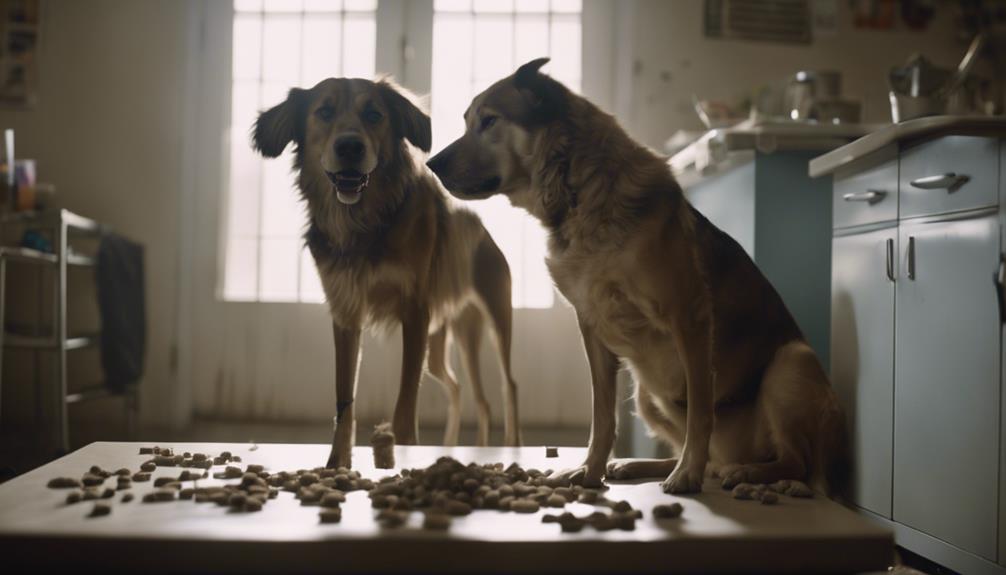
When caring for a dog with Legg-Calvé-Perthes disease, you may observe changes in their behavior and appetite. Chronic pain and discomfort can cause fear and avoidance behaviors, such as hiding or restlessness. Additionally, your dog's appetite may change, resulting in either a decrease or increase in food interest. These changes often indicate underlying anxiety and pain associated with the disease.
Changes in Appetite
Dogs with Legg-CalvÃ-Perthes disease often experience a decrease in appetite due to the associated pain and discomfort. This can cause them to show less interest in their meals or eat less than usual.
Pain and discomfort can lead to anorexia in dogs with Legg-CalvÃ-Perthes disease, causing them to lose their appetite. This can worsen the condition and impede recovery.
Changes in behavior, such as whining, panting, or restlessness, can indicate anxiety, which can also affect their appetite.
Monitoring appetite is crucial for recovery. A decrease in appetite can lead to weight loss, increasing the risk of complications in dogs with Legg-CalvÃ-Perthes disease. Your veterinarian may recommend adjustments to diet and exercise regimens to support recovery and manage anxiety and pain.
Fear and Avoidance
Dogs with Legg-Calvé-Perthes disease may exhibit fear and avoidance behaviors due to the associated pain and discomfort. You may notice changes in your dog's behavior, such as hiding or becoming withdrawn, as they try to avoid painful movements. Increased anxiety or restlessness can also indicate underlying pain.
Additionally, your dog's appetite may decrease due to discomfort, leading to reduced activity levels. This can worsen the condition and cause muscle atrophy and stiffness. In severe cases, pain can lead to aggression or defensiveness, which are signs of anxiety and fear.
It is crucial to recognize these changes and work with your veterinarian to develop a pain management plan. By addressing your dog's pain and anxiety, you can improve their quality of life and slow the progression of the disease.
Withdrawal and Isolation
During the progression of Legg-Calvé-Perthes disease, your dog may withdraw from activities and social interactions due to pain and discomfort. This withdrawal and isolation can be a coping mechanism.
Recognizing these changes in behavior is crucial for managing your dog's anxiety and pain. Three common signs to look out for are:
Changes in appetite patterns. A decrease in interest in food or water can indicate anxiety and pain.
Increased irritability. Your dog may become more aggressive or irritable due to pain and discomfort, leading to changes in behavior and appetite patterns.
Hiding or avoidance behaviors. Dogs with Legg-Calvé-Perthes disease may hide or avoid social interactions due to pain and discomfort, further exacerbating their isolation.
Addressing these signs early on can improve your dog's quality of life. By recognizing and managing withdrawal and isolation behaviors, you can alleviate your dog's anxiety and pain.
Improving Quality of Life for LCP Dogs
Managing Legg-Calvé-Perthes disease in your dog requires a focus on their quality of life. Regular veterinary check-ups are crucial for early detection and treatment, which can significantly improve their comfort and well-being.
To reduce anxiety and discomfort in dogs with LCP, create a comfortable environment by using orthopedic beds, ramps, and non-slip flooring. A weight management plan, including a balanced diet and regular exercise, can also help alleviate symptoms and improve overall quality of life. This is especially important for small breeds, as excess weight can put additional strain on their joints.
A physical therapy program, including gentle exercises and massage, can improve mobility and reduce pain in dogs with LCP. Managing pain and anxiety through medication, acupuncture, and other alternative therapies can also improve their quality of life and reduce symptoms of anxiety.
Frequently Asked Questions
What Are the Long-Term Effects of Legg-Perthes Disease in Dogs?
Legg-Calvés-Perthes disease in dogs can lead to chronic pain, arthritis, and limited mobility, significantly impacting their quality of life. To manage the condition, it's essential to focus on pain management, lifestyle changes, and weight control. Additionally, you'll need to address the risk of arthritis, joint degeneration, bone deformity, and muscle atrophy to ensure your dog's comfort and mobility.
Can Perthes Disease Cause Problems Later in Life?
Perthes disease can cause problems later in life if left untreated or improperly managed. Chronic pain can lead to late-onset arthritis, joint degeneration, and mobility issues. This increases the risk of secondary injuries and silent suffering. Moreover, Perthes disease can increase the risk of other health problems.
To mitigate its long-term effects, it's essential to address Perthes disease promptly and properly. This involves managing chronic pain, maintaining joint mobility, and preventing secondary injuries. By taking proactive steps, individuals can reduce the risk of late-onset arthritis, joint degeneration, and other health problems associated with Perthes disease.
What Are the Complications of Legg-Calve-Perthes Disease?
Legg-Calvé-Perthes disease can lead to several complications in dogs. Chronic pain, joint degeneration, and bone damage are common outcomes, resulting in hip deformity and muscle atrophy. Mobility issues often arise, making daily activities challenging. In severe cases, surgery may be necessary. Effective pain management is essential to improve the dog's quality of life.
What Are the 4 Stages of Legg-Calve-Perthes Disease?
Legg-Calve-Perthes disease in dogs progresses through four stages.
In Stage 1, the blood supply to the femoral head is disrupted, causing bone death and degenerative changes. Radiographic signs will appear, indicating the need for early diagnosis.
In Stages 2 and 3, symptoms worsen due to joint space narrowing and collapse. Painful symptoms will increase during these stages.
Stage 4 marks the formation of new bone and cartilage. However, this often results in permanent damage.
In summary
Legg-Calvé-Perthes disease can significantly impact your dog's quality of life, especially when accompanied by chronic pain. Recognizing the signs of anxiety and pain is crucial to managing them effectively. Many strategies for reducing anxiety also improve your dog's overall well-being.
To create a supportive environment, focus on gentle handling and pain management. This can substantially improve your dog's life, even with LCP.
- Advertisement -