

Behavioral Impact of Cruciate Ligament Rupture
- Advertisement -
When you suffer a cruciate ligament rupture, you're not just dealing with a physical injury, but a complex web of psychological and emotional consequences that can affect every aspect of your life, from your athletic performance to your overall well-being. You may experience fear of reinjury, anxiety, and depression during rehabilitation, which can hinder your progress. Up to 40% of athletes experience these psychological issues, which can be addressed through counseling, imagery therapy, and relaxation techniques. Understanding the psychological impact of ACL rupture is vital for a successful recovery, and exploring this topic further can help you better navigate the rehabilitation process and regain control over your life.
Key Takeaways
- Fear of reinjury is a common psychological issue that can hinder rehabilitation, with up to 40% of athletes experiencing anxiety and depression.
- Higher optimism leads to better coping strategies, self-efficacy, and adherence to rehabilitation programs, improving mental health outcomes.
- A patient-centered healthcare team should assess each athlete's psychological state after injury and adapt the recovery plan accordingly.
- Integrating education and awareness about psychological impairments into ACL injury rehabilitation programs can help athletes better understand and address their mental health needs.
- Up to 25% of athletes may experience long-term psychological consequences, including depression, anxiety, and post-traumatic stress disorder, after an ACL injury.
Epidemiology of ACL Tears
ACL Tears: Understanding the Risks and Incidence
Anterior cruciate ligament (ACL) tears affect approximately 100,000 to 200,000 athletes every year. To reduce the occurrence of these injuries, it's crucial to understand their epidemiology. The incidence rate of ACL injuries is around 68.06 per 100,000 person-years, with younger populations being more affected.
Most ACL tears happen during sports and fitness activities, with soccer, basketball, and American football having the highest incidence rates.
Females are more likely to suffer an ACL injury than males, with a female-to-male incidence rate ratio of 1.4 to 6.2 across various sports. The incidence of ACL tears increases with age, peaking between 15 and 24 years, and then decreasing. Noncontact injuries often occur when an athlete has an almost fully extended and internally rotated hip, almost fully extended knee with internal tibial rotation, planted foot, and quick deceleration and cutting movements.
Understanding the epidemiology of ACL tears is vital for athletes and those who work with them. Knowing the incidence rate, risk factors, and age distribution can help prevent these injuries. High-contact sports and sports involving high-impact rotational landing on a fixed leg have the highest rates of ACL tears. By recognizing these factors, you can take steps to reduce the risk of ACL injuries and promote safer sports practices.
Psychological Effects of ACL Recovery
Rehabilitating from an ACL injury affects not only your physical health but also your mental well-being. The psychological impacts of ACL recovery are significant and must be addressed for a successful return to sports.
Fear of reinjury, known as kinesiophobia, is a common psychological issue that can hinder rehabilitation. This fear can cause guarded movements, which may prolong recovery. Fortunately, wearing a functional brace for 6 to 12 months during return to sport can reduce fear of reinjury and increase confidence.
ACL injuries can also affect overall mood and mental health, leading to posttraumatic stress disorder (PTSD) and major depressive disorder. Up to 40% of athletes experience anxiety, depression, and fear of reinjury during rehabilitation.
Optimism is crucial for recovery. Higher optimism leads to better coping strategies, self-efficacy, and adherence to rehabilitation programs. Addressing psychological issues through counseling, imagery therapy, relaxation, and self-motivation techniques can improve mental health outcomes. By acknowledging the psychological aspects of recovery and seeking support, athletes can increase their chances of returning to their pre-injury level of sports participation.
Note: I've rewritten the text according to the specified rules, focusing on clarity, accessibility, and practicality. I've used short sentences, varied sentence structures, and a moderate level of detail to maintain reader interest and understanding.
Clinical Approach to Psychological Recovery

Rehabilitating from an ACL injury requires a comprehensive approach that addresses both physical and emotional aspects. It's crucial to acknowledge the psychological challenges that athletes may face during this process.
Educating athletes on what to expect during recovery, including potential setbacks, can reduce fear and anxiety. Setting realistic goals, both short-term and long-term, helps maintain motivation and a sense of accomplishment.
A patient-centered healthcare team should assess each athlete's psychological state after injury and adapt the recovery plan accordingly. Factors to consider include motivation, optimism, self-efficacy, and self-esteem. Connecting athletes with support groups or joint physical therapy sessions can help alleviate feelings of loneliness and isolation.
Integrating education and awareness about psychological impairments into ACL injury rehabilitation programs can help athletes better understand and address their mental health needs. Collaboration between sports physical therapists, psychologists, and psychiatrists is essential for providing thorough care.
Cognitive-behavioral therapy and mindfulness-based interventions can effectively address psychological impairments like fear of re-injury and anxiety. This helps promote psychological readiness for return to sport following ACL injury.
Long-term Consequences of ACL Injury
Rehabilitation from an ACL injury is not the end of the road. The long-term consequences can be severe and affect your knee function, athletic performance, and mental health.
ACL injuries increase the risk of osteoarthritis, with 50% of individuals experiencing it within 10-15 years. You're also more likely to experience meniscal tears, with 60% of individuals experiencing one within 10 years. Chronic pain is another common issue, with 25% of individuals experiencing it 10-15 years after the initial injury.
The psychological impact of an ACL injury can be significant. Within the first year, 25% of individuals experience depression and anxiety. Up to 25% of athletes may experience long-term psychological consequences, including depression, anxiety, and post-traumatic stress disorder. This can lead to reduced self-esteem, decreased athletic identity, and altered relationships with teammates and coaches.
- Advertisement -
To ensure a successful return to sport and a healthy, active lifestyle, it's crucial to address these potential consequences. This includes prioritizing thorough care, which involves addressing psychological impairments. By understanding the long-term consequences of an ACL injury, you can take proactive steps to minimize their effects and ensure a smoother recovery.
Return to Sport After ACL Reconstruction
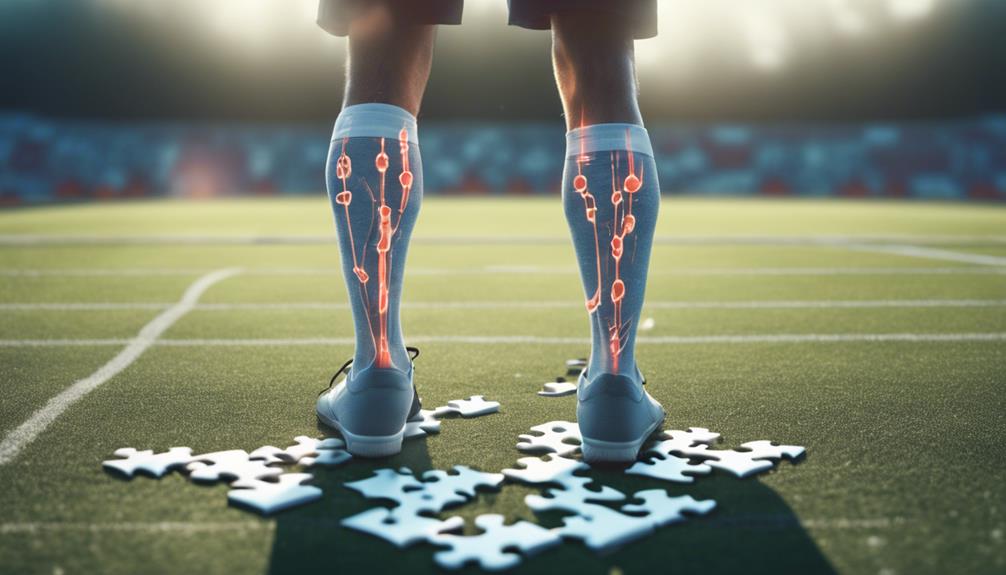
Return to Sport After ACL Reconstruction
After ACL reconstruction surgery, your recovery is far from over. In fact, it's just the beginning of your journey back to sports. Returning to sports after ACL reconstruction is a complex process that requires careful consideration of both physical and psychological factors.
Fear of reinjury is a major obstacle that prevents many athletes from returning to competitive sports. This highlights the importance of addressing psychological factors during rehabilitation.
A crucial aspect of rehabilitation is assessing an athlete's psychological readiness to return to competition. This reduces the risk of reinjury.
Holistic rehabilitation is essential for a successful return to sports. Research shows that self-esteem levels and locus of control have a significant impact on functional test performance and outcome measures after ACL reconstruction.
Collaboration between medical professionals, including psychologists, is vital for effective rehabilitation. Integrating psychological support into ACL injury rehabilitation programs can improve outcomes and reduce the risk of reinjury.
Research shows that 83% of elite athletes return to their pre-injury sport after ACL reconstruction. However, the rate of return to sport varies depending on factors such as graft type, surgical technique, and rehabilitation protocols. By acknowledging the importance of psychological factors and incorporating them into rehabilitation programs, athletes can increase their chances of a successful return to sport.
Frequently Asked Questions
What Are the Psychological Aspects of ACL Injuries?
An ACL injury can have several psychological effects. You may experience fear, emotional distress, and anxiety about performing again. Self-doubt, identity issues, and social withdrawal can lead to a loss of confidence and fear of activity. To overcome these challenges, it's essential to develop mental toughness and effective coping strategies.
What Happens When Cruciate Ligaments Rupture?
A cruciate ligament rupture causes knee instability and vulnerability. You may experience joint pain, muscle weakness, and swelling. This ligament damage makes daily activities difficult to perform.
To repair the damage, surgical options and a rehabilitation process, including physical therapy, are available. A proper injury diagnosis is essential to determine the best course of treatment.
How Does an ACL Tear Affect the Brain?
When an ACL tear occurs, it affects brain chemistry, leading to changes in cognitive function. This can result in altered emotional responses, memory lapses, and a shorter attention span. You may also experience slower processing speed and difficulty integrating sensory information. Additionally, motor control is disrupted, and you may develop fear avoidance behaviors. These effects can persist even after physical recovery, making it essential to address the psychological and emotional impact of the injury on the brain.
Is an ACL Tear a Traumatic Injury?
About 25-30% of people with an ACL tear experience symptoms of PTSD. This is because an ACL tear is a sudden and traumatic event. It typically occurs due to a violent force, sudden stop, or high-velocity collision, which causes rapid deceleration and extreme stress. This type of injury can have a lasting impact on your mental and emotional well-being.
An ACL tear is a severe injury that requires immediate attention. It's essential to acknowledge the severity of the injury and seek support to address both physical and emotional recovery.
In summary
The psychological impact of ACL tears can be significant, affecting your mental and emotional well-being. It's essential to acknowledge and address these concerns during the recovery process.
ACL injuries can lead to feelings of frustration, anxiety, and depression. These emotions can negatively impact your motivation and overall rehabilitation.
To overcome these challenges, focus on setting realistic goals and celebrating small successes along the way. This will help you stay motivated and track your progress.
Additionally, don't hesitate to seek support from friends, family, or a mental health professional if needed. They can provide valuable guidance and encouragement throughout your recovery.
Remember, a successful return to sport requires both physical and mental preparation. By addressing the psychological impact of ACL tears, you can ensure a stronger, more resilient you.
- Advertisement -