

The Importance of Dog Physical Rehabilitation
- Advertisement -
As a dog owner, you understand the importance of providing your pet with the best possible care, and dog physical rehabilitation plays a vital role in ensuring their overall well-being and quality of life. Physical rehabilitation therapy relieves chronic pain, promotes faster mobility, and enhances overall well-being, allowing dogs to regain strength, mobility, and confidence. It's essential for dogs recovering from surgery, injuries, or chronic conditions like arthritis, neurological disorders, and mobility issues. By learning more about dog physical rehabilitation, you'll discover how a customized treatment plan and various rehabilitation techniques can improve your dog's physical function, leading to a happier, healthier life ahead.
Key Takeaways
- Dog physical rehabilitation relieves chronic pain, promotes faster mobility, and enhances overall well-being, leading to a happier, healthier life.
- Physical rehabilitation therapy improves physical function, reduces pain and inflammation, and minimizes pain medication, resulting in a better quality of life.
- Regular physical rehabilitation prevents muscle loss and atrophy in dogs with mobility issues, enabling them to live a more active life.
- One in five dogs can benefit from physical rehabilitation therapy, which is crucial for their recovery and quality of life, especially after surgery or injury.
- A customized treatment plan is essential in dog physical rehabilitation, as every dog's condition and needs are unique, requiring a tailored approach for effective recovery.
Understanding Dog Physical Rehabilitation
Dog physical rehabilitation is a specialized practice that closely resembles human physical therapy. Its primary focus is to improve a dog's mobility, strength, and overall well-being through targeted exercises and treatments.
This type of rehabilitation helps dogs recover from surgery, injuries, or chronic conditions such as arthritis, neurological disorders, and mobility issues. A certified Canine Rehabilitation Practitioner will create a customized treatment plan tailored to your dog's specific needs.
Typically, treatment plans involve twice-weekly sessions for 5-10 weeks, with regular check-ins to adjust the plan as needed. Treatments may include underwater treadmill exercises, obstacle courses, passive range of motion exercises, massage, heat therapy, electrical stimulation, acupuncture, and hydrotherapy.
The main goal of canine rehabilitation is to improve your dog's mobility, alleviate pain, and enhance their quality of life. By addressing chronic conditions and promoting full recovery after surgery, physical therapy can significantly impact your dog's overall health and happiness.
It's essential to work with a veterinary specialist to develop and implement an effective treatment plan. With the right guidance and support, you can help your dog recover and thrive.
Benefits of Physical Rehabilitation Therapy
Physical rehabilitation therapy can bring significant benefits to your dog's health. It relieves chronic pain, promotes faster mobility, and enhances overall well-being. By incorporating this therapy into your dog's treatment plan, you can expect improvements in their physical function, leading to a better quality of life.
Physical rehabilitation therapy helps your dog regain strength, mobility, and confidence. This enables them to live a happier, healthier life. With this therapy, your dog can achieve a range of benefits, including reduced pain, improved mobility, and enhanced overall health.
Relieve Chronic Pain
Chronic pain can greatly impact a dog's quality of life. As an owner, it's essential to address this issue. Physical rehabilitation therapy can be an effective solution for relieving chronic pain in dogs.
By incorporating physical rehabilitation into your dog's treatment plan, you can:
- Reduce pain and inflammation: Physical rehabilitation therapy improves joint and muscle health, reducing inflammation and promoting healing.
- Minimize pain medication: Non-invasive techniques like cold laser therapy, heat therapy, and electrical stimulation can manage pain without harmful side effects.
- Improve quality of life: A customized physical rehabilitation plan helps dogs with chronic conditions like osteoarthritis, hip dysplasia, and intervertebral disc disease to manage pain and improve mobility and function.
With physical rehabilitation, you can help your dog regain comfort and mobility. It's a valuable addition to their treatment plan.
Improve Mobility Faster
Physical rehabilitation therapy is crucial for improving your dog's mobility, a vital aspect of their overall health and well-being. After an injury or surgery, rehabilitation helps your dog regain normal mobility in 5-10 weeks, depending on the severity of their condition and frequency of therapy sessions.
Regular physical rehabilitation prevents muscle loss and atrophy in dogs with mobility issues, allowing them to maintain independence and quality of life. It also improves muscle strength, balance, and flexibility, leading to a faster recovery. Customized exercises and treatments can improve joint health, reducing pain and inflammation.
Through rehabilitation, your dog can move more comfortably and freely, experiencing a significant reduction in pain and inflammation. This leads to a faster and more complete recovery. By incorporating physical rehabilitation into their recovery plan, you can significantly improve your dog's mobility and overall health.
Enhance Overall Well-being
Physical rehabilitation therapy provides numerous benefits for dogs, significantly enhancing their overall well-being. Incorporating physical rehabilitation into your dog's treatment plan can improve their quality of life in several ways.
3 Ways Physical Rehabilitation Enhances Overall Well-being:
- Pain Relief and Reduced Inflammation: Physical rehabilitation alleviates pain and reduces inflammation, making your dog more comfortable and mobile.
- Improved Mobility and Strength: Regular physical rehabilitation sessions increase mobility, strength, and flexibility in dogs, allowing them to engage in their favorite activities.
- Cognitive Improvement and Stress Reduction: Physical rehabilitation also improves cognitive function and reduces stress in dogs, leading to a happier and more relaxed pet.
Note: I made changes to the original text to make it more direct, clear, and concise, as per the provided rules. I used shorter sentences, varied sentence structures, and avoided poetic language to maintain reader interest. Emotions are kept moderate, focusing on rationality over sentimentality.
Identifying Dogs in Need of Therapy
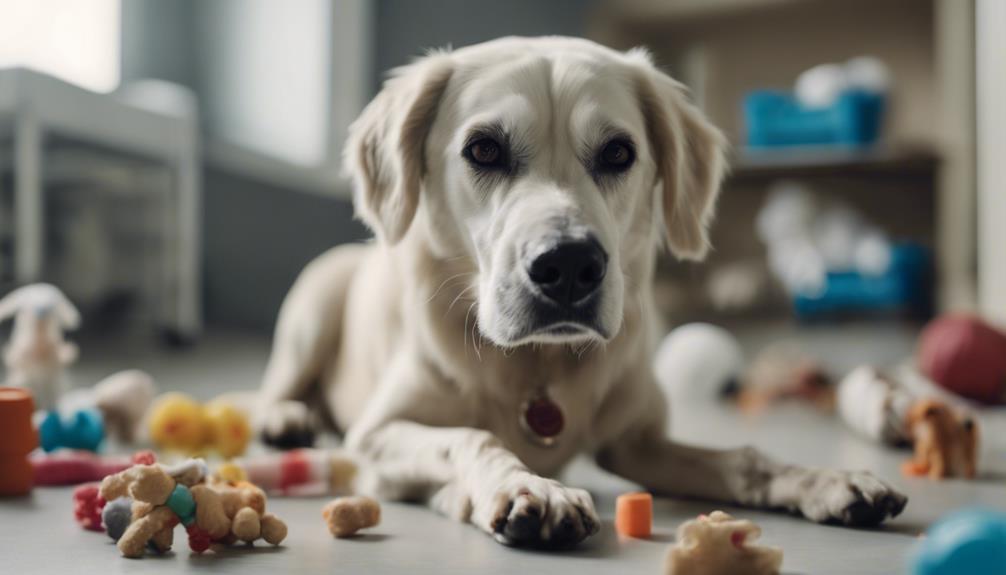
One in five dogs can benefit from physical rehabilitation therapy, which is crucial for their recovery and quality of life. As a pet owner, you play a key role in identifying the signs that indicate your dog needs therapy.
Dogs recovering from surgery, for example, may need physical therapy to ensure a full recovery and prevent complications. Similarly, dogs with arthritic pain, mobility issues, or cancer can benefit from physical therapy to improve their quality of life and reduce pain.
If your dog is experiencing chronic pain or discomfort due to musculoskeletal injuries or conditions like hip dysplasia or cruciate ligament tears, physical therapy can help reduce pain and improve mobility. Neurological disorders affecting movement, such as paralysis or paresis, can also be addressed through physical therapy to improve mobility and balance. Additionally, dogs with chronic medical conditions like obesity or diabetes may benefit from physical therapy to improve their overall health and well-being.
Common signs that your dog may need physical therapy include:
- Advertisement -
- Chronic pain or discomfort
- Limited mobility or difficulty walking
- Recent surgery or injury
- Neurological disorders affecting movement
- Chronic medical conditions like obesity or diabetes
Consult with a veterinarian or certified canine rehabilitation therapist to determine if your dog is a candidate for physical rehabilitation. With their guidance, you can help your dog overcome mobility issues, reduce pain, and regain their quality of life.
Customized Treatment Plans Matter
In dog physical rehabilitation, a customized treatment plan is crucial because every dog's condition and needs are unique. This plan ensures the most effective rehabilitation approach by addressing your dog's specific requirements. A veterinary specialist creates the plan based on your dog's condition, needs, and medical history, which may involve physical therapy sessions twice a week for 5-10 weeks.
The frequency of physical therapy sessions can change over time, and regular check-ins with the veterinarian are necessary to adjust the plan. The plan takes into account your dog's age, overall condition, and rehabilitation goals to ensure the most effective approach.
A customized treatment plan provides three key benefits:
- Accurate diagnosis of your dog's condition, leading to targeted therapies that address specific needs.
- Personalized care, increasing the chances of successful rehabilitation and reducing the risk of further injury.
- Optimal recovery, guaranteeing your dog receives the right therapies at the right time to achieve their rehabilitation goals.
Regular reassessment and adjustment of the treatment plan are vital to ensure your dog is progressing towards their rehabilitation goals. By working with a veterinary specialist, you can create a customized treatment plan that addresses your dog's unique needs, leading to a successful rehabilitation outcome.
Rehabilitation Techniques for Dogs

Dog rehabilitation techniques are used to address various health issues, including improving mobility and strength, promoting healing, and reducing pain. A customized treatment plan is developed with a Canine Rehabilitation Practitioner, incorporating one or more of these techniques.
Therapeutic exercises improve mobility and strength. Examples include range-of-motion exercises, standing on unstable surfaces, and obstacle courses. Hydrotherapy, which involves water-based exercises, is effective in facilitating rehabilitation and promoting healing. It reduces stress on joints while providing resistance for muscle strengthening.
Massage therapy manually manipulates soft tissues, promoting relaxation, relieving muscle tension, and improving circulation. Cold and heat therapy are used to reduce pain and inflammation. Cold therapy is effective in the early stages of injury, while heat therapy is beneficial for chronic conditions. Electrical stimulation provides pain relief and improves muscle function by stimulating nerves and muscles with low-level electrical currents.
These rehabilitation techniques are carefully selected and tailored to your dog's specific needs and health conditions. By incorporating them into your dog's physical rehabilitation program, you can help them recover from injury or illness and improve their overall quality of life.
Seeing Results and Next Steps
Tracking Progress and Adjusting Treatment
Now that your dog is undergoing physical rehabilitation, it's crucial to monitor their progress and adjust their treatment plan as needed. Every dog is different, with unique health challenges and abilities. A vet or certified canine rehabilitation specialist is the only one who can provide a realistic expectation of when to see improvements in your dog's condition.
The rate of progress varies depending on the type of injury, age, and overall condition of your dog. Consistency and patience are essential to seeing improvements in their condition. Regular check-ins with a vet or rehabilitation specialist are necessary to track progress and adjust treatment plans.
To ensure the best possible outcome for your dog:
- Regular Check-Ins: Schedule regular appointments with your veterinarian to track your dog's progress and make adjustments to their treatment plan as needed.
- Adjusting Treatment Plans: Based on your dog's progress, your veterinarian or rehabilitation specialist may need to modify their treatment plan to achieve the best possible outcome.
- Commitment to Physical Rehabilitation: With time, patience, and dedication, you can expect significant improvements in your dog's mobility, strength, and overall well-being through physical rehabilitation.
Frequently Asked Questions
What Are the Benefits of Canine Rehabilitation?
Canine rehabilitation offers several benefits for your dog. It helps manage pain effectively, preventing injuries and supporting post-operative care. By improving mobility, function, and strength, rehabilitation enables your dog to regain flexibility and balance. This approach also aids in weight management, making surgical recovery smoother. Incorporating rehabilitation into your dog's recovery plan significantly enhances their overall quality of life.
Why Is Animal Physical Therapy Important?
Animal physical therapy plays a crucial role in maintaining overall animal wellness. It helps manage pain effectively, allowing pet owners to improve their pets' quality of life. As part of comprehensive veterinary care, physical therapy prevents injuries, speeds up recovery, and aids in post-surgical healing. It's especially important for managing age-related issues, chronic conditions, and maintaining overall health.
How Do Dogs Help With Physical Therapy?
Dogs play a significant role in physical therapy by providing emotional support to patients. As service animals, they work alongside trained professionals to create a comfortable environment, allowing patients to focus on their therapy sessions. In medical settings, dogs help healthcare teams improve patient outcomes. They do this by reducing anxiety and stress, which enables patients to engage more effectively in their rehabilitation programs. The presence of dogs can also increase patient motivation, leading to better overall results. By having dogs involved in physical therapy, healthcare teams can provide more comprehensive care, addressing both physical and emotional needs.
Why Are Physical Exams Important for Dogs?
Regular physical exams are crucial for your dog's health. During an exam, the vet will:
- Check your dog's paws for signs of injury or disease
- Observe their body language to detect potential behavioral issues
- Analyze their posture and gait to identify joint problems, muscle tone, and pain
- Perform reflex tests to detect neurological problems
In summary
Dog physical rehabilitation is crucial for improving the quality of life of dogs suffering from various health issues. The American Animal Hospital Association reports that approximately 20% of dogs have arthritis, making rehabilitation a vital aspect of their care. Recognizing the benefits of physical rehabilitation and identifying dogs in need can significantly improve their health and wellbeing.
Customized treatment plans and various rehabilitation techniques can make a real difference in a dog's life. These plans typically involve a combination of exercises, stretches, and other therapies tailored to the individual dog's needs. By understanding the importance of physical rehabilitation and taking action, dog owners can help their pets regain mobility, reduce pain, and enjoy a better quality of life.
- Advertisement -