

Essential Leash Pulling Prevention Tips
- Advertisement -
You can prevent leash pulling by understanding why your dog pulls in the first place – it’s often due to excitement, anxiety, or distractions. To address this, stop and wait when your dog starts pulling, then proceed when they come back to your side. Teach a “watch” cue to distract them from pulling ahead, and use gentle leash corrections to reposition them. Consistency and positive reinforcement are key, so establish a daily walking routine and reward your dog for walking beside you without pulling. By implementing these strategies, you can set the stage for a more enjoyable walk – and there’s more to learn about refining your approach.
Key Takeaways
- Recognize and address the underlying motivations behind leash pulling, such as excitement, anxiety, or boredom, to develop an effective prevention strategy.
- Establish a daily walking routine with clear expectations and reward the dog for walking beside you without pulling to set a positive norm.
- Use gentle leash corrections, stop-and-wait, and front-attaching harnesses as effective training tools to prevent leash pulling.
- Practice loose leash walking in controlled environments, gradually increasing distractions, and reward the dog for maintaining a slack leash.
Understanding Leash Pulling Behavior
You’ve likely experienced the frustration of your dog pulling on the leash, but before you can prevent this behavior, you need to understand why your dog is doing it in the first place.
Dogs pull on the leash for various reasons, including excitement, anxiety, or even boredom. Sometimes, they simply get distracted by sights, smells, or sounds, causing them to pull ahead.
When you’re on a walk, your dog might pull because they’re trying to explore their surroundings or get to a specific destination, like a park or a favorite sniffing spot.
In some cases, leash pulling can be a learned behavior, reinforced by owners who let their dogs pull them along. This can create a power struggle, making your dog think they’re in control.
Understanding the underlying reasons for your dog’s leash-pulling behavior is vital in developing an effective prevention strategy.
By recognizing the triggers and motivations behind this behavior, you can take steps to address the root causes. This might involve adjusting your dog’s walking routine, providing mental stimulation, or teaching your dog to respond to cues.
Effective Training Techniques and Tools
By incorporating the right training techniques and tools into your daily walks, you can effectively prevent leash pulling and make strolls with your dog a more enjoyable experience.
To train your dog for loose leash walking, you’ll need patience, consistency, and positive reinforcement.
Stop and Wait: When your dog starts pulling, stop moving forward. Wait for them to come back to your side before proceeding. This technique helps your dog learn that pulling doesn’t get them where they want to go faster.
Gentle Leash Corrections: Use gentle but firm pulls on the leash to reposition your dog, immediately releasing the tension. This helps your dog learn to maintain a loose leash and stay close to you.
‘Watch’ Cue: Teach your dog a ‘watch’ cue, rewarding them with treats for focusing on you. This helps distract them from pulling ahead and keeps them engaged with you.
In addition to these techniques, using a front-attaching harness can aid in leash walking by self-correcting your dog and redistributing the force of the pull. This makes walking more comfortable for both you and your dog.
Mastering Loose Leash Walking Skills
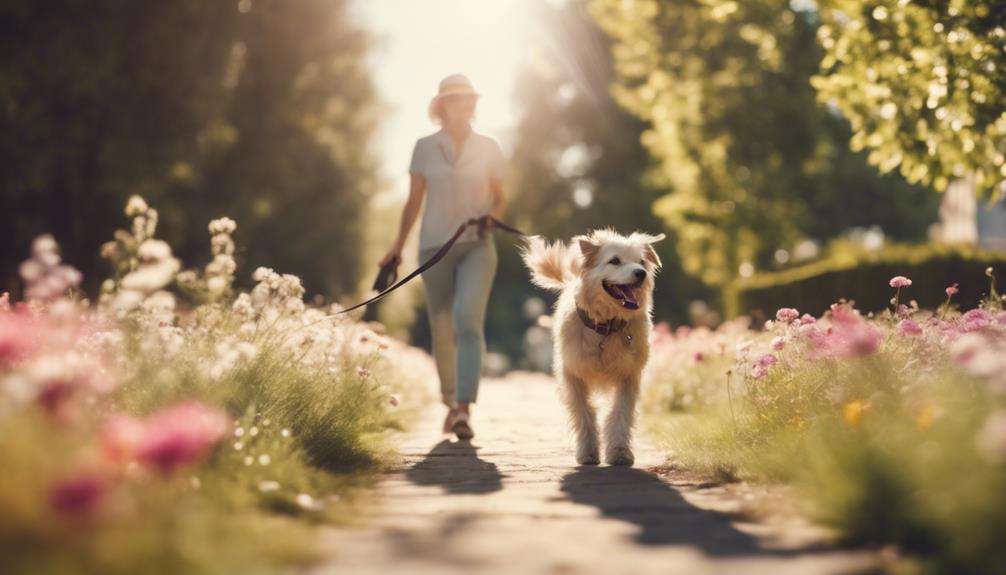
Mastering loose leash walking skills takes time and practice, but with consistent training and positive reinforcement, your dog will learn to walk beside you effortlessly.
As you teach your dog to walk on a loose leash, remember that patience and persistence are key.
Start by practicing short walks in a controlled environment, such as a quiet neighborhood street or a training area with minimal distractions.
As you walk, focus on keeping the leash relaxed, with a soft, gentle tension.
When your dog is walking beside you without pulling, be sure to reward them with treats, praise, and affection.
This positive reinforcement will help your dog associate walking on a loose leash with good behavior.
Conversely, when your dog starts to pull on the leash, stop moving forward and wait for them to come back to your side before continuing the walk.
Preventing Leash Pulling With Consistency
Consistency is key to preventing leash pulling, so establish a routine that sets clear expectations for your dog’s behavior.
When you’re walking your dog, it’s essential to teach them that walking without pulling is the norm. Dogs pull because they’re excited or enthusiastic to get somewhere, but with consistency, you can teach them to walk beside you without pulling.
Set a daily walking routine: Try to walk your dog at the same time every day, so they can anticipate what’s expected of them.
Use positive reinforcement: When your dog is walking beside you without pulling, reward them with treats and praise. This positive reinforcement will help them associate walking without pulling with good behavior.
- Advertisement -
Be calm and patient: When your dog is pulling, try not to get frustrated or angry. Instead, calmly stop moving forward and wait for them to come back to your side before continuing the walk.
Advanced Leash Walking Strategies
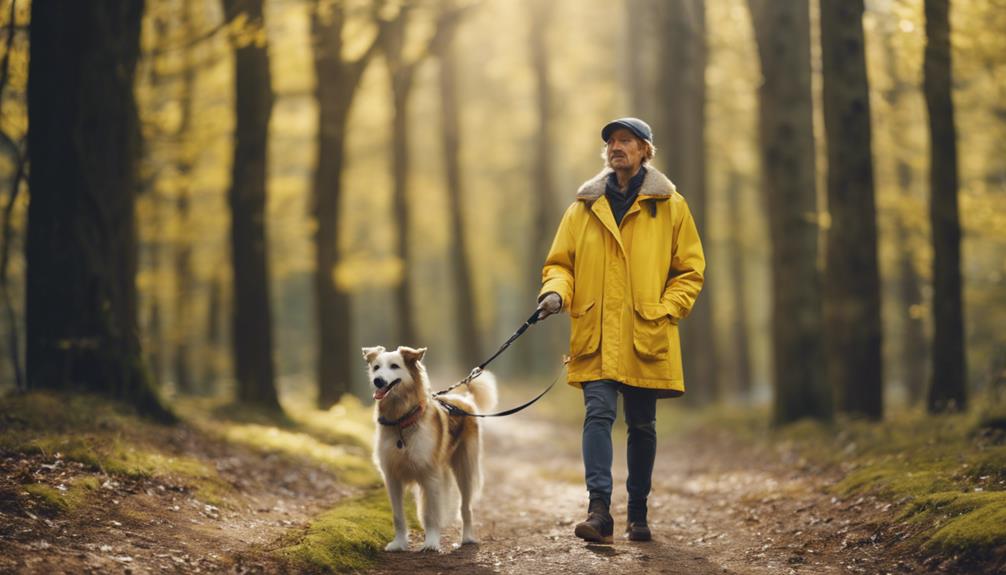
Now that you’ve established a consistent walking routine, it’s time to take your leash walking skills to the next level with more advanced strategies that’ll help refine your dog’s walking behavior.
One of the best ways to do this is to teach your dog to ‘watch’ you while walking. Start saying ‘watch’ and holding a treat in front of your dog’s nose. As they focus on the treat, take a few steps forward and reward them with the treat. This exercise helps your dog understand that paying attention to you is rewarding, even when there are distractions.
Another advanced strategy is to introduce new environments while walking your dog. This could be a new park, trail, or even just a different route around the block. Every dog can benefit from exposure to new sights, sounds, and smells, and it’ll help them become more confident and calm in new situations.
When walking in a new environment, make sure to keep the leash slack and let your dog set the pace. If they start to pull, stop moving forward and wait for them to come back to your side before continuing the walk.
Frequently Asked Questions
What Is the #1 Trick to Stop Your Dog From Pulling on the Leash?
When walking your dog, you’re likely familiar with the frustration of leash pulling.
So, what’s the #1 trick to stop this behavior? It’s simple: stop moving forward when your dog pulls. By doing so, you’re teaching them that pulling doesn’t get them where they want to go faster.
Consistent practice, reward good behavior, and maintain a loose leash. With patient owners and calm energy, your dog will learn to walk calmly, avoiding pulling and enjoying the benefits of leash training games and puppy socialization.
How Do I Stop My Dog From Pulling on the Leash?
You’ve tried everything to stop your dog from pulling on the leash, but it feels like you’re trying to hold back a freight train!
To achieve a stroll, not a struggle, focus on loose leashes, training methods, and puppy socialization.
Understand dog behavior and walking techniques, and choose the right leash materials.
Practice canine communication, owner patience, and consistent reinforcement.
With time and effort, you’ll be enjoying walks, not wrestling matches.
How to Stop Leash Pulling in 5 Minutes?
Are you looking for a quick fix to stop leash pulling in just 5 minutes?
You’re in luck! Fast training methods can provide instant relief and leash freedom.
Try the ‘stop and wait‘ technique, where you immediately halt when your dog pulls, waiting for them to return to a neutral position.
This simple solution can yield rapid results, giving you an effective method and quick correction for immediate control.
Does a Shock Collar Help With Leash Pulling?
You’re wondering if a shock collar can help with leash pulling.
Unfortunately, shock collars aren’t an effective or humane solution. They can cause physical and emotional harm, even exacerbating the pulling behavior.
Instead, consider positive reinforcement training methods, which are proven to be more effective and gentle.
Research alternatives like harnesses and head halters, and explore training myth-busting resources to find the best approach for your furry friend.
In summary
You’ve got the leash-pulling prevention tips in your toolbox, and now it’s time to put them into practice.
Think of mastering loose-leash walking as traversing an obstacle course – it takes patience, persistence, and practice to avoid the pitfalls.
With consistency and effective training, you’ll be strolling like a pro in no time, your dog by your side, harmoniously connected like two pieces of a well-oiled machine.
- Advertisement -